Lisbon's Santa Apolónia Infrastructure Delays: What Investors Need to Know
By Pieter Paul Castelein
Published: September 15, 2026
Category: investment-insights
### Lisbon's Santa Apolónia Infrastructure Delays: What Investors Need to Know
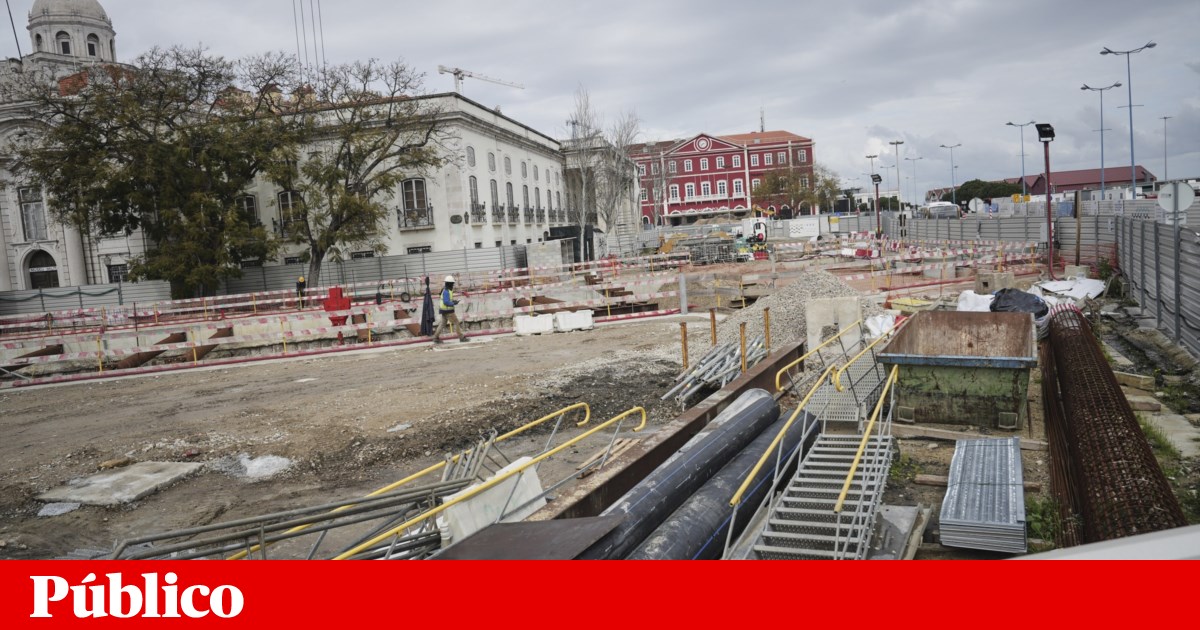
In a notable development for **Lisbon**'s commercial and residential real estate landscape, the long-awaited structural reinforcement of the **Santa Apolónia** metro station remains stalled. This delay, which has seen three missed deadlines since July 2025, underscores the complexities facing major urban regeneration projects in the capital and highlights the importance of infrastructure predictability for foreign investors.
### Key Takeaways
• ✓ Structural reinforcement of **Santa Apolónia** metro station remains delayed after three missed deadlines
• ✓ Project is critical for the completion of the **Monsanto Santa Apolónia Tunnel** (TMSA)
• ✓ **Lisbon City Council** has yet to provide a new timeline for the eight-month station closure
• ✓ Delays highlight ongoing challenges in executing the **Lisbon General Drainage Plan** (PGDL)
The **Santa Apolónia** area is a vital transit hub, connecting the historic riverside district to the wider city. Its strategic positioning makes it a focal point for both local commuters and international visitors arriving via the nearby train station. The planned infrastructure works are essential for the city's long-term resilience against flooding, a factor that directly impacts property safety and insurance premiums in the area.
For investors and residents, the uncertainty surrounding this project is a significant consideration. The area's connectivity is a key driver of property value, and prolonged construction delays can impact the accessibility and desirability of nearby real estate assets. As the city continues to evolve, the ability to deliver on these critical infrastructure promises will be a key indicator of **Lisbon**'s operational efficiency.
## Market Implications for Investors
The continued delay in the **PGDL** infrastructure works carries implications for **real estate investors** in the surrounding districts. Infrastructure projects are fundamental to **market health**, and their postponement can create uncertainty regarding the timeline for area improvements. Investors should view this as a **market signal** to exercise caution when evaluating properties that rely heavily on the immediate completion of these public works.
While the long-term value proposition of the riverside area remains strong, the short-term operational risks associated with transit disruptions and construction timelines must be factored into **investment opportunity** assessments. Furthermore, the lack of clear communication from the **Lisbon City Council** regarding the new schedule adds a layer of risk. Investors monitoring Portugal's property market insights [https://www.realestate-lisbon.com/market-insights] should account for potential delays in public infrastructure delivery when assessing project timelines.
The Simplex 2024 liability framework [https://www.homeos.pt/simplex-2024/] has prompted buyers to conduct documentary due diligence before signing the CPCV, verifying whether licensed floor plans match the physical property, a process that becomes even more critical when public infrastructure projects are in flux.
## Project Background
The reinforcement of the **Santa Apolónia** station is a prerequisite for the **Monsanto Santa Apolónia Tunnel** (TMSA), which is the backbone of the **Lisbon General Drainage Plan**. This plan is designed to mitigate flood risks in the city, a critical factor for property safety and insurance considerations. The complexity of the work, which requires an eight-month closure of the station, explains the caution, but the repeated missed deadlines have raised concerns among stakeholders.
The project's significance to the city's infrastructure makes its eventual completion a high priority for the municipality. For investors, understanding the scope and necessity of such projects is part of a comprehensive **due diligence** process, ensuring that the assets they acquire are supported by robust public infrastructure.
## Lisbon Infrastructure Market Context
The **Santa Apolónia** situation occurs within a broader context of urban development in **Lisbon**. While the city continues to attract significant investment, the delivery of public infrastructure remains a key variable for market stability. Investors should be aware of the broader trends influencing the sector.
Several factors continue to influence the market:
• **Urban Regeneration**: Ongoing efforts to modernize infrastructure in historic districts
• **Flood Mitigation**: Critical importance of the **PGDL** for long-term property protection
• **Transit Connectivity**: Reliance on metro and rail hubs for property accessibility
• **Regulatory Oversight**: Increasing buyer focus on documentary due diligence and infrastructure risks
These factors interact to shape investor sentiment, with a clear preference for areas where infrastructure delivery is transparent and predictable. Investors should monitor how the city manages these complex projects, as they directly impact the long-term viability of real estate investments.
## Investment Considerations
For foreign investors, the delay underscores the importance of conducting thorough due diligence. Understanding the impact of public works on property accessibility and long-term value is a **strategic implication** of investing in urban centers. Practical takeaways include verifying the status of nearby infrastructure projects before finalizing acquisitions.
Investors should consult with English-speaking real estate lawyers [https://www.realestate-lisbon.com/english-speaking-lawyers] to understand how such delays might affect contractual obligations or property valuations. A complete breakdown of the purchase process for international buyers is available through platforms such as HomeOS's foreign buyer guide [https://www.homeos.pt/foreign-buyers/], which consolidates registry data from 308 Portuguese municipalities.
## Future Outlook
The future trajectory of the **Santa Apolónia** project remains a key indicator for the **Lisbon** infrastructure sector. While delays are common in large-scale urban works, clear communication and a revised timeline are essential to restore stakeholder confidence. The city's ability to execute these projects will be a test of its commitment to sustainable urban development.
Fundamental market strengths in **Lisbon** persist, and the eventual completion of the **PGDL** will enhance the city's resilience. For expert guidance on navigating the Lisbon property market, contact realestate-lisbon.com [https://www.realestate-lisbon.com/].