Porto's Historic Restoration: Abandoned Cedofeita Building Transformed into Luxury Boutique Hotel
By Pieter Paul Castelein
Published: September 8, 2026
Category: investment-insights
### Porto's Historic Restoration: Abandoned Cedofeita Building Transformed into Luxury Boutique Hotel
In a landmark achievement for **Porto**'s urban regeneration, a 19th-century ruin on **Rua da Cedofeita** has been reborn as **Casa Cedo**, an eight-room boutique hotel that blends botanical inspiration with high-end design. The project, spearheaded by Italian investor **Massimiliano Salé** and Irish partner **Jeremiah Healy**, represents a sophisticated example of how international capital is revitalizing Portugal's secondary prime locations through meticulous historic restoration.
### Key Takeaways
• ✓ Casa Cedo boutique hotel opens in Porto's authentic Cedofeita district after 7-year restoration
• ✓ Project signals strong investor appetite for historic rehabilitation in secondary prime locations
• ✓ Strategic shift from high-traffic tourist centers to authentic neighborhoods like Cedofeita
• ✓ Successful transformation of a 19th-century ruin into a high-yield hospitality asset
The location of Casa Cedo is strategically significant. Situated in the **Cedofeita** district, the property sits in a neighborhood that has managed to preserve its local identity while becoming a hub for creative businesses and independent galleries. For **foreign investors**, this area offers a compelling alternative to the more saturated markets of Lisbon's Chiado or Porto's Ribeira, providing a balance of authentic charm and strong capital appreciation potential.
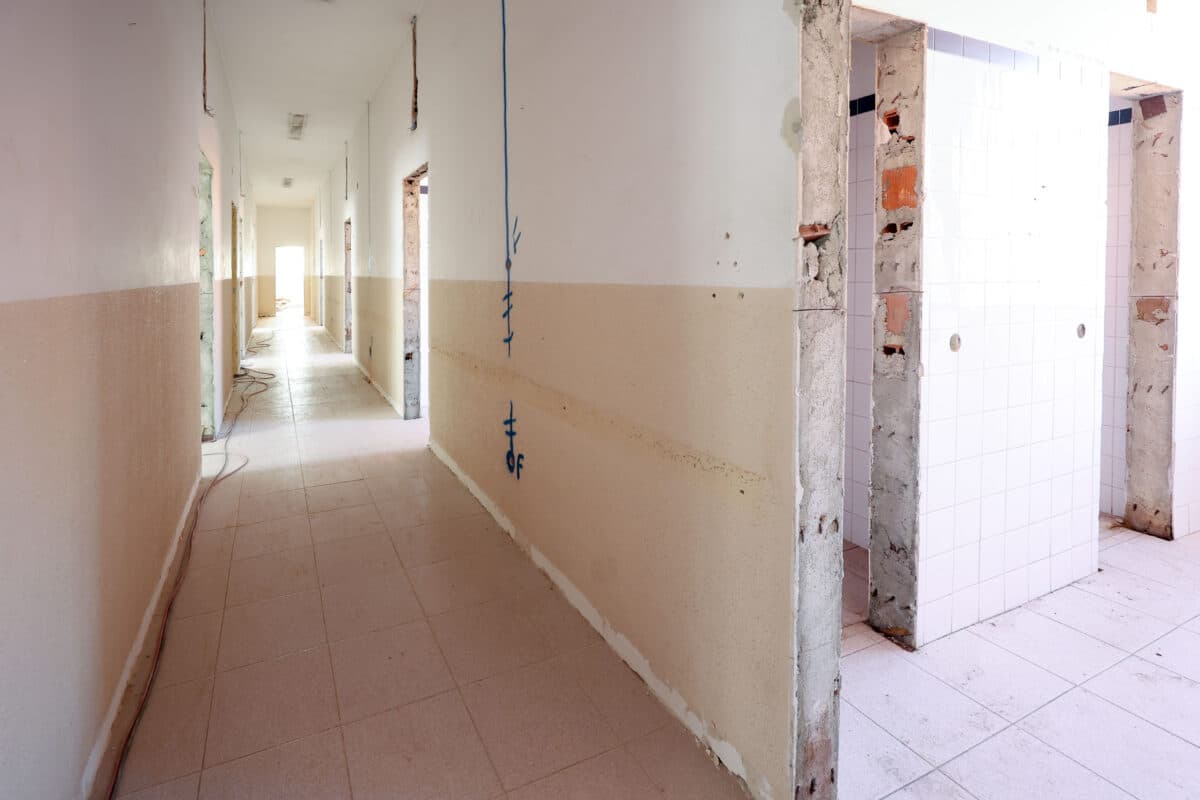
The building itself, a traditional 19th-century townhouse, had stood vacant for nearly twenty years before its acquisition in 2019. The restoration, led by **Joana Leandro Vasconcelos** of **Atelier in.Vitro**, focused on a 'respectful renovation' that maintained the original structure while addressing decades of decay. This approach is increasingly favored by municipal authorities and high-end travelers alike, who value the preservation of **Portuguese architectural heritage** over modern, characterless developments.
The interior design, executed by **Daniela Franceschini** of **Quiet Studios**, draws directly from the building's state of abandonment. The vegetation that had begun to consume the structure served as the primary inspiration for the hotel's botanical theme. This narrative-driven design is a key differentiator in the luxury hospitality market [https://www.realestate-lisbon.com/market-insights], where guests are willing to pay a premium for unique, site-specific experiences.
## Market Implications for Investors
The successful launch of Casa Cedo provides several critical signals for the **Portuguese real estate market**. First, it underscores the viability of the 'boutique' model in secondary cities. While Lisbon remains the primary entry point for many, Porto's lower entry costs and high quality of life are attracting a new wave of sophisticated investors who are willing to tackle complex restoration projects for long-term gains.
This project also highlights the importance of **specialized professional services**. The seven-year timeline—extended by the pandemic and bureaucratic hurdles—demonstrates that success in the Portuguese market requires a robust network of real estate lawyers [https://www.realestate-lisbon.com/real-estate-lawyers] and architects [https://www.realestate-lisbon.com/architects] who understand local regulations. For investors, the 'Simplex' administrative reforms are intended to streamline these processes, but the Casa Cedo experience suggests that patience and local expertise remain the most valuable assets.
From a yield perspective, the boutique hotel model offers a resilient alternative to short-term residential rentals (Alojamento Local), which have faced increasing regulation in major cities. By creating a licensed hospitality product, investors can secure a more stable regulatory footing while tapping into the high-end tourism segment that continues to grow in Portugal. A risk compounded by DL 10/2024, which transfers full legal liability for unlicensed works to the buyer at signing — making independent pre-purchase inspection [https://www.inspectos.pt/inspecoes-residenciais/inspecao-pre-compra] an increasingly standard step in the acquisition process.
## The Cedofeita Investment Thesis
**Cedofeita** has emerged as a prime example of 'authentic gentrification.' Unlike areas that have become 'museumified' for tourists, Cedofeita remains a living neighborhood. This makes it particularly attractive for **expats and digital nomads** who seek a genuine Portuguese lifestyle. The presence of original restaurants, local shops, and a lack of 'tuk-tuks' are cited by the Casa Cedo founders as key reasons for their location choice.
For investors, this neighborhood represents a 'buy and hold' opportunity. As the city center becomes more expensive, the demand for high-quality residential and hospitality products in peripheral prime areas like Cedofeita is expected to rise. The successful commercialization of Casa Cedo, with rates starting at €385, proves that the market is ready for luxury products outside the traditional 'golden triangle' of Porto.
## Porto's Evolving Real Estate Context
The broader Porto market is currently characterized by a transition from volume-based development to value-based restoration. The city's **Municipal Master Plan (PDM)** and heritage protections have created a barrier to entry that rewards quality and expertise. This environment favors professional investors over casual speculators.
Several factors are currently shaping the investment landscape in Porto:
• **Rehabilitation Incentives**: Tax benefits for the restoration of buildings in Urban Rehabilitation Areas (ARU) continue to drive capital into the historic center
• **Hospitality Demand**: A shift toward boutique and lifestyle hotels as travelers seek alternatives to large international chains
• **Expat Influx**: Growing numbers of North American and Northern European buyers seeking primary or secondary residences in Porto
• **Regulatory Stability**: Despite national policy shifts, Porto's local government has remained relatively supportive of high-quality urban renewal
These factors combine to create a market where **strategic positioning** is more important than ever. Investors who can identify undervalued historic assets and have the vision to create a unique brand—as seen with Casa Cedo—are well-positioned to capture both rental yield and capital appreciation.
## Investment Considerations
For those looking to replicate this success, several **strategic considerations** are paramount. First, the choice of partners is critical. Working with architects specializing in traditional architecture [https://www.realestate-lisbon.com/professionals/architects-traditional-portuguese-architecture] and luxury construction firms [https://www.realestate-lisbon.com/professionals/constructors-luxury-construction] is non-negotiable for projects of this caliber. The technical challenges of 19th-century buildings—from structural reinforcement to modernizing utilities—require specialized knowledge.
Second, investors must account for the 'authenticity premium.' In today's market, the most successful projects are those that tell a story and respect the local context. This requires a deeper level of engagement with the neighborhood and a commitment to quality materials, such as natural stone and traditional wood, which are featured prominently in Casa Cedo. Consulting with English-speaking real estate agents [https://www.realestate-lisbon.com/english-speaking-agents] who have a deep understanding of Porto's micro-markets can provide the necessary local context.
## Looking Ahead
The opening of Casa Cedo is a testament to the enduring appeal of Porto's historic fabric and the opportunities available to visionary international investors. As the city continues to mature as a global destination, the demand for high-quality, authentic restoration projects is only expected to increase. For investors, the lesson is clear: value is found in the intersection of heritage, design, and neighborhood authenticity.
The future of the Porto market will likely see more 'micro-boutique' developments that cater to a discerning global audience. For those ready to navigate the complexities of the Portuguese market, the rewards—both financial and aesthetic—are significant. For expert guidance on historic restoration and investment opportunities in Porto and Lisbon, contact realestate-lisbon.com [https://www.realestate-lisbon.com/].