Investment Opportunity: 80 Hotels for Sale Across Portugal's Prime Tourism Hubs
By Kellogg Fairbank
Published: December 30, 2025
Category: investment-insights
### 80 Hotels Hit Portuguese Market: Faro, Lisbon and Porto Dominate Premium Tourism Investment Opportunities
Eighty hotels across Portugal's prime tourism districts have entered the market for sale, according to October 2025 data from **Idealista**, signaling robust institutional appetite for hospitality assets despite broader economic uncertainties. The concentration of available properties—24 in **Faro**, 20 in **Lisbon**, and 19 in **Porto**—underscores the sustained investor confidence in Portugal's tourism infrastructure, which has demonstrated remarkable resilience following pandemic-era disruptions and continues attracting international capital seeking European hospitality exposure.
This significant hotel inventory release occurs against Portugal's tourism recovery backdrop, with the sector generating €25 billion in 2024 revenues and welcoming over 28 million international visitors. The geographic clustering of available assets—concentrated in Portugal's three primary tourism hubs rather than dispersed across interior regions—reflects institutional preference for established markets with proven demand patterns, transportation connectivity, and regulatory frameworks familiar to international investors evaluating hospitality acquisitions.
For high-net-worth individuals and institutional investors, this hotel portfolio availability represents a rare opportunity to access Portuguese tourism assets at scale, particularly as the market transitions from pandemic recovery toward sustainable growth patterns. The concentration in southern **Algarve** region, metropolitan **Lisboa**, and northern **Porto** district aligns with infrastructure-rich destinations offering multiple demand drivers beyond seasonal tourism, creating diversified revenue potential attractive to sophisticated capital.
### Key Takeaways
• ✓ 80 hotels for sale concentrated in Faro (24), Lisbon (20), and Porto (19) per Idealista October 2025 data
• ✓ Portfolio distribution reflects investor preference for established tourism hubs with proven demand patterns
• ✓ Algarve's 24 properties benefit from region's status as Portugal's primary international tourism destination
• ✓ Lisbon and Porto offerings provide urban hospitality exposure with business and leisure demand drivers
**Faro district**, encompassing Portugal's renowned **Algarve** coastline, stretches across southern Portugal's **Distrito de Faro** and represents the country's premier tourism destination. The region's 24 available hotels benefit from established international recognition, with Faro Airport serving as the primary gateway for UK, German, and Dutch tourists seeking the region's award-winning beaches, championship golf courses, and Mediterranean climate. Properties cluster around key resort towns including **Vilamoura** with its mega-yacht marina, **Albufeira** for family tourism, and **Lagos** for upscale coastal experiences, each offering distinct market positioning within Algarve's diverse tourism ecosystem.
**Greater Lisbon's** 20 hotel offerings concentrate in the **Municipality of Lisboa** and surrounding **Distrito de Lisboa** areas, positioned 25 kilometers south of **Lisbon Portela Airport** and served by extensive Metro, rail, and highway networks. The capital's hospitality market benefits from dual-demand drivers: leisure tourism attracted to historic neighborhoods like **Alfama** and **Chiado**, plus business travel generated by Lisbon's growing status as a European corporate hub. This diversification creates year-round revenue stability uncommon in purely seasonal destinations, with particular strength in conferences, corporate events, and city-break tourism segments.
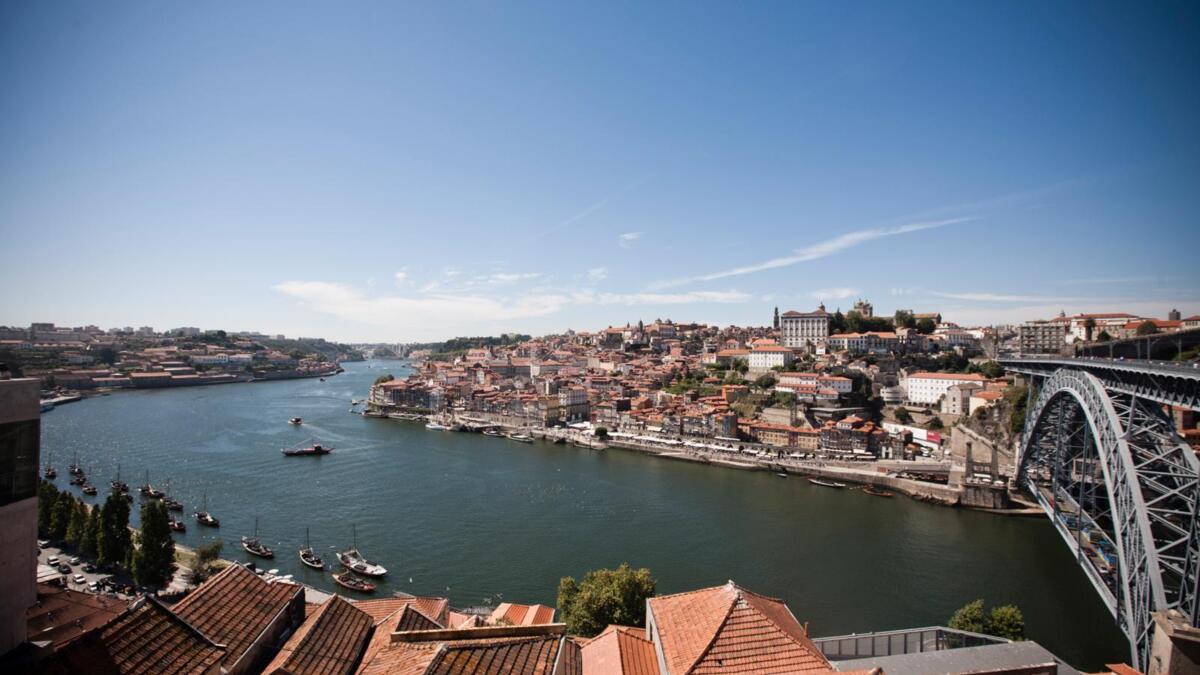
**Porto district**, centered on Portugal's second-largest city in **Distrito do Porto**, offers northern exposure to tourism growth fueled by the city's UNESCO World Heritage designation, port wine heritage, and burgeoning tech sector. The region's 19 available hotels capitalize on Porto's transformation from industrial port to cultural destination, with Francisco Sá Carneiro Airport providing international connectivity and high-speed rail links to Lisbon enhancing domestic accessibility. The city's authentic character, lower cost base than Lisbon, and growing digital nomad community create compelling fundamentals for hospitality investors seeking northern Portugal market entry.
## Tourism Investment Dynamics in Portuguese Hospitality
The concentration of 63 hotels across Portugal's three primary districts—representing 79% of available inventory—demonstrates institutional preference for markets with proven tourism infrastructure and regulatory transparency. According to **Turismo de Portugal** data, these regions captured 85% of international visitor nights in 2024, validating investor focus on established rather than emerging destinations. For foreign capital, this clustering reduces execution risk by enabling due diligence within familiar legal frameworks, leveraging existing professional service infrastructure, and accessing markets with transparent operating metrics.
Hotel investment yields in prime Portuguese locations typically range from 4.5% to 7.5% gross annually, depending on property classification, location within each district, and operational structure. **Algarve resort properties** often command premium valuations but generate higher seasonal rates, while **Lisbon business hotels** provide more stable year-round occupancy through corporate contracts and MICE (meetings, incentives, conferences, exhibitions) business. **Porto boutique properties** increasingly appeal to experience-focused travelers willing to pay premium rates for authentic, design-forward accommodations in the city's historic center.
Regulatory considerations significantly impact investment structuring. Portuguese hospitality properties must comply with **Turismo de Portugal** licensing requirements, which classify establishments across multiple categories from budget **Turismo de Habitação** to luxury **Pousadas**. Foreign investors should engage English-speaking real estate lawyers [https://www.realestate-lisbon.com/english-speaking-lawyers] familiar with hospitality-specific regulations, particularly for properties requiring renovation or category changes. The **Golden Visa program**, while no longer offering direct real estate investment pathways since 2023, continues providing residency options through €500,000+ investment funds that may include hotel assets, creating indirect access for investors prioritizing immigration benefits.
Tax implications vary based on acquisition structure and operational model. Direct property ownership subjects investors to **IMT** (property transfer tax) ranging from 0% to 8% based on property value, plus 0.8% **Stamp Duty**. Operational profits face corporate tax rates of 21% at municipal level plus additional state levies, though various deductions apply for renovation investments and energy efficiency improvements. Many international investors utilize specialized property tax accountants [https://www.realestate-lisbon.com/professionals/accountants-property-tax] to optimize structures through Portuguese holding companies or international entities, particularly relevant for portfolio acquisitions across multiple properties.
## Market Positioning Across Portugal's Tourism Regions
The geographic distribution of available hotels reflects distinct market positioning strategies aligned with Portugal's diversified tourism offering. **Algarve properties** target leisure-focused investors seeking exposure to Europe's most consistent sunshine destination, with average annual occupancy rates of 65-75% and strong seasonal rate premiums. The region's established golf tourism, family beach market, and increasing wellness segment provide multiple revenue streams, while Faro Airport's year-round European connections ensure accessibility beyond traditional summer peaks.
**Lisbon's hotel market** operates more like a European capital than a seasonal tourism destination, with business travel comprising 40-50% of demand and leisure visitors distributed throughout the year. The city's hosting of major international events—including Web Summit technology conference and various European Union meetings—creates rate premiums during convention periods, while weekend city-break tourism from across Europe maintains base occupancy. Properties near **Avenida da Liberdade** and **Parque das Nações** business district command particular premiums for corporate clientele.
**Porto's tourism profile** combines cultural heritage with emerging tech industry demand, creating a more complex but potentially higher-growth hospitality market. The city's UNESCO World Heritage center attracts sophisticated leisure travelers, while growing startup ecosystem and lower cost base than Lisbon generate increasing business travel. International investors particularly value Porto's authentic character and pricing advantage compared to oversaturated Southern European destinations, positioning the market for continued growth as Portugal's tourism offering diversifies beyond traditional sun-and-beach positioning.
## Portuguese Hospitality Market Context
Portugal's tourism sector has demonstrated remarkable resilience and growth trajectory, evolving from 12 million international visitors in 2010 to over 28 million in 2024. This expansion reflects strategic positioning as a safe, affordable, and diverse European destination offering everything from **Algarve beach resorts** to **Lisbon cultural experiences** and **Porto gastronomic tourism**. Government investment in infrastructure, including airport expansions and high-speed rail connections, has enhanced accessibility while maintaining the country's authentic character that differentiates it from mass-market Mediterranean alternatives.
Several structural factors support continued hospitality investment attractiveness:
• **Geographic Diversification**: Portugal offers multiple distinct tourism experiences—from Algarve's beaches to Douro Valley wine tourism—spreading demand across seasons and reducing over-reliance on single market segments
• **Value Proposition**: Competitive pricing relative to France, Italy, or Spain while offering comparable quality and safety standards appeals to cost-conscious European travelers and long-haul visitors
• **Infrastructure Investment**: Ongoing airport expansions, Metro extensions in Lisbon, and improved highway networks enhance accessibility and visitor experience across key tourism regions
• **Political Stability**: Eurozone membership and stable democratic institutions provide investor confidence and currency stability valued by international hospitality operators and financiers
The current hotel portfolio availability occurs amid broader market maturation. International hotel brands increasingly dominate Portuguese hospitality, with Marriott, Hilton, and Accor expanding presence across all three key districts. This institutionalization creates opportunities for independent investors to acquire boutique properties or reposition existing assets toward niche markets—particularly in Porto where authentic, design-forward accommodations command premium rates from experience-seeking travelers.
Market dynamics also reflect changing visitor patterns. Digital nomadism and remote work trends have extended average stays beyond traditional week-long vacations, particularly in Lisbon and Porto where co-working spaces and international communities support longer-term visitors. This shift favors hotels offering apartment-style accommodations, kitchen facilities, and monthly rate structures that capture extended-stay demand while maintaining higher margins than traditional residential rentals.
## Strategic Investment Considerations
For international investors evaluating Portugal's current hotel offerings, success factors extend beyond property-specific characteristics to encompass operational strategy, market positioning, and regulatory compliance. The concentration of available assets in established markets reduces market-entry risk but requires sophisticated operational planning to compete with expanding international brand presence. Many successful foreign investors partner with specialized hospitality agents [https://www.realestate-lisbon.com/professionals/real-estate-agents-international-clients] familiar with tourism market dynamics and operational requirements specific to Portuguese regulations.
Financing options for hospitality acquisitions have expanded significantly as Portuguese banks recognize tourism's importance to national economy. Major institutions including **Caixa Geral de Depósitos**, **Millennium BCP**, and **Santander Portugal** offer hospitality-specific loan products, though requirements typically include detailed business plans, operator experience, and minimum equity contributions of 25-35%. International investors often find European Investment Bank programs or cross-border financing more favorable than purely domestic options, particularly for portfolio acquisitions or renovation projects enhancing energy efficiency.
Operational structuring presents critical decisions for foreign owners. Management contracts with international brands provide distribution systems and operational expertise but reduce control and margins, while independent operation offers higher returns but requires local market knowledge and regulatory compliance. Many investors pursue hybrid approaches—engaging specialized property managers [https://www.realestate-lisbon.com/professionals/real-estate-agents-investment-properties] for day-to-day operations while maintaining strategic control over positioning, rates, and capital improvements.
Case studies demonstrate successful strategies: A French investment fund acquired a €4.2 million historic property in **Porto's Ribeira district** through a Portuguese holding company structure, invested €800,000 in renovation including elevator installation and energy efficiency upgrades, and repositioned the 18-unit property as a boutique hotel targeting design-conscious travelers. Operating independently but with professional management, the property achieves 72% average occupancy at €180 nightly rates, generating approximately 8.5% gross yield while qualifying for various tax deductions and maintaining flexibility for future disposition.
For investors requiring comprehensive analysis of hospitality acquisitions, specialized investment calculators [https://www.realestate-lisbon.com/calculators/investment-analyzer] help model returns under various operational scenarios, while legal professionals specializing in property acquisition [https://www.realestate-lisbon.com/professionals/real-estate-lawyers-property-acquisition] ensure optimal structuring for tax efficiency and regulatory compliance. Given the complexity of hospitality investments spanning multiple professional disciplines—legal, tax, operational, and regulatory—foreign investors benefit significantly from Portugal's maturing infrastructure of English-speaking professionals [https://www.realestate-lisbon.com/english-speaking-lawyers] experienced in serving international hospitality capital.
## Future Outlook for Portuguese Hospitality Investment
Portugal's hospitality sector appears positioned for continued growth despite broader European economic uncertainties, supported by structural demand drivers and ongoing infrastructure investment. Tourism forecasts from the **World Travel & Tourism Council** project 4-6% annual visitor growth through 2028, with Portugal capturing disproportionate share due to competitive positioning and infrastructure enhancements. For current hotel investors, this suggests sustained occupancy and rate growth potential, particularly for well-located properties offering differentiated experiences aligned with evolving traveler preferences.
The 80-hotel portfolio availability represents more than a temporary market anomaly—it reflects portfolio rebalancing by existing owners capitalizing on strong valuations to realize gains or reposition toward other asset classes. For incoming investors, this creates opportunity to acquire established assets with operational track records, often below replacement cost, in markets with proven tourism demand. Success will increasingly depend on operational sophistication, market positioning, and ability to capture growing segments including experience-focused travelers, digital nomads, and sustainable tourism advocates.
Looking ahead, Portugal's hospitality market offers compelling long-term fundamentals: eurozone stability, diverse tourism offerings, ongoing infrastructure investment, and relative value compared to mature Mediterranean markets. The current availability of 80 hotels across prime districts provides unusual scale access for institutional or large private investors seeking European hospitality exposure. For expert guidance on evaluating hospitality acquisitions, structuring optimal ownership vehicles, and navigating Portugal's tourism investment landscape, contact realestate-lisbon.com [https://www.realestate-lisbon.com] to connect with specialized professionals experienced in serving international hospitality investors.