Lisbon Student Housing Shortage: ALP’s New Arroios Project Signals High-Yield Investment Opportunity
By Pieter Paul Castelein
Published: September 11, 2026
Category: investment-insights
### Lisbon Student Housing Shortage: ALP’s New Arroios Project Signals High-Yield Investment Opportunity
In a significant development for **Lisbon**'s residential investment landscape, the **Associação Lisbonense de Proprietários (ALP)** has inaugurated its first dedicated student residence, **Campus ALP – Calado 30**, in the strategic **Arroios** district. This move marks a professional pivot for the century-old association and highlights a growing trend among institutional and private owners toward specialized residential asset classes.
### Key Takeaways
• ✓ ALP enters the student housing sector with a 14-room fully renovated building in Arroios
• ✓ Strategic shift driven by legislative instability in the traditional long-term rental market
• ✓ Arroios location leverages proximity to major universities and high student density
• ✓ Transaction reflects a broader trend of professionalizing the student accommodation niche
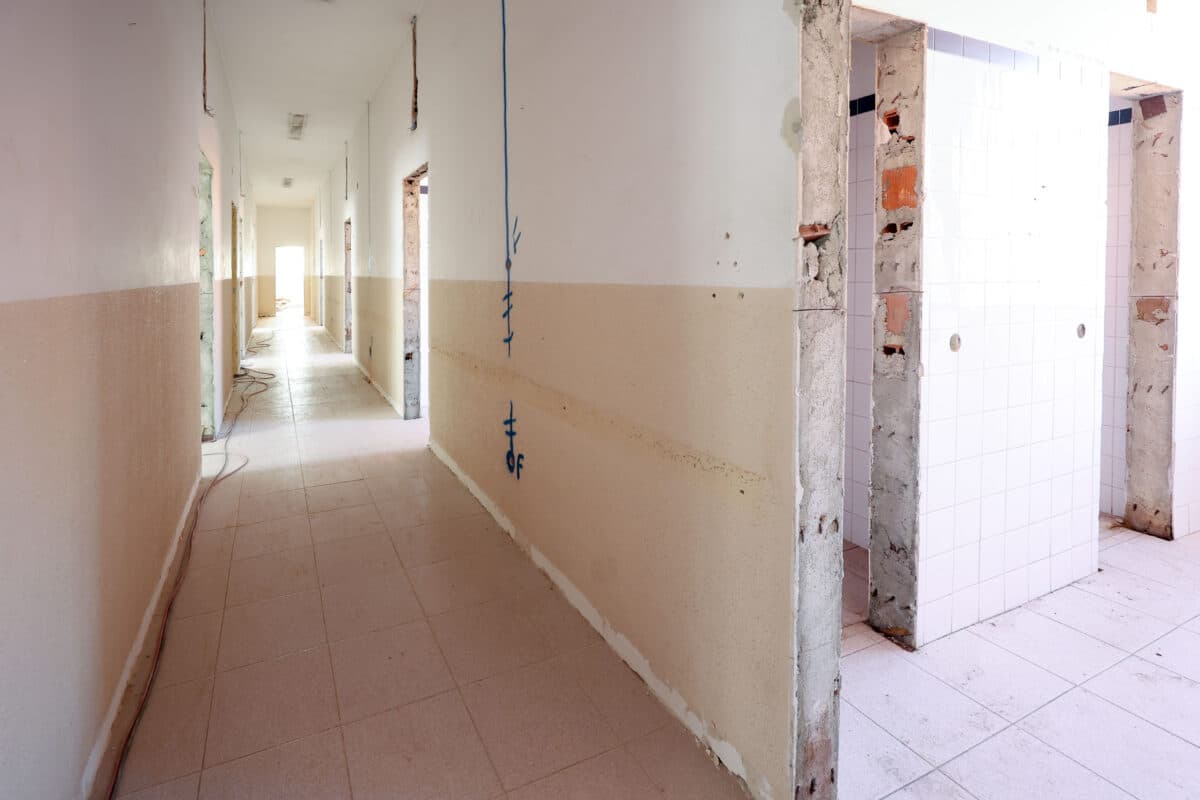
The project, located in the heart of **Arroios**, involved the total recovery of a traditional Lisbon building, transforming it into a modern facility with 14 individual rooms, communal dining areas, and an outdoor patio. Arroios is widely recognized as one of Lisbon's most resilient investment zones, benefiting from its central location and exceptional connectivity via the **Lisbon Metro** green line.
For foreign investors, the choice of location is instructive. Arroios sits within walking distance of the **Instituto Superior Técnico (IST)** and is a short commute from the **University of Lisbon**'s main campus. This geographic advantage ensures a constant stream of demand, insulating the asset from the seasonal fluctuations that can affect other types of short-term rentals.
The **Arroios** district has seen significant urban regeneration in recent years, evolving from a traditional residential area into a vibrant hub for international students and digital nomads. This demographic shift has fundamentally altered the local Lisbon real estate neighborhood [https://www.realestate-lisbon.com/lisbon-real-estate-neighborhoods] dynamics, making it a prime target for buy-to-let investors focusing on high-occupancy segments.
## Market Implications for Investors
The ALP’s decision to move away from traditional long-term rentals is a powerful **market signal**. The association explicitly cited the "legislative and regulatory instability" of the Portuguese rental market as a primary reason for exploring student housing. For international investors, this underscores the importance of selecting asset classes that offer more predictable legal frameworks and contractual flexibility.
Student housing in Portugal typically operates under different contractual norms than standard residential leases, allowing for fixed-term agreements that align with the academic calendar. This structure reduces the risk of long-term tenant entrenchment, a common concern for those navigating legal issues in the Portuguese buying process [https://www.realestate-lisbon.com/buying-guide/legal-issues]. Furthermore, the ability to manage a single building with multiple units provides economies of scale in maintenance and operation.
From a financial perspective, the student housing niche often yields higher returns per square meter than traditional family apartments. By converting a single building into 14 individual units, the ALP has maximized the revenue potential of the asset. Investors can model these returns using a rental yield calculator [https://www.realestate-lisbon.com/calculators/rental-yield] to compare the performance of student housing against standard residential units.
The professionalization of this sector is also evidenced by the launch of the **Student Housing ALP** management service. This indicates a maturing market where owners are no longer just "landlords" but "operators" of residential services. For foreign investors, the availability of such specialized management services is a critical factor in mitigating the risks of remote property ownership.
## ALP's Strategic Market Position
The **Associação Lisbonense de Proprietários** is not merely a developer; it is the primary advocacy group for property owners in Portugal. Their direct investment in **Campus ALP** serves as a "proof of concept" for their members and the wider market. By participating in European initiatives like the **HOME2 – Home of Mobile Europeans** project, the ALP has imported best practices in student housing management that are now being applied in the Lisbon context.
This institutional backing provides a layer of credibility to the student housing segment. It suggests that the association sees this as a long-term, sustainable solution to the housing crisis, rather than a temporary workaround. For investors, aligning with the strategies of such established local players can provide valuable market intelligence and analysis [https://www.realestate-lisbon.com/blog/market-intelligence-and-analysis].
## Lisbon Student Housing Market Context
The current state of student accommodation in Lisbon is characterized by a severe supply-demand imbalance. With over 120,000 higher education students in the metropolitan area and only a few thousand dedicated beds, the market is fundamentally undersupplied. This gap is being filled by private owners who are increasingly converting traditional apartments into "HMOs" (Houses in Multiple Occupation) or dedicated residences.
Several structural factors are currently shaping this market segment:
• **Academic Calendar Predictability**: Contracts typically run from September to July, allowing for planned maintenance and turnover during the summer months.
• **International Student Growth**: Lisbon remains a top destination for Erasmus+ participants and international post-graduates, who often have higher budgets for quality accommodation.
• **Legislative Safe Haven**: Student rentals are often viewed as a more flexible alternative to the increasingly regulated long-term residential market.
• **Urban Regeneration**: Projects like Campus ALP contribute to the revitalization of central districts, increasing the value of surrounding properties.
These factors combine to make student housing one of the most resilient asset classes in the **Lisbon real estate market**. Investors should monitor investment insights news [https://www.realestate-lisbon.com/news/investment-insights] to track the entry of larger institutional players into this space, which may drive further yield compression in the future.
## Investment Considerations
For foreign investors looking to replicate the ALP’s success, several **strategic implications** must be considered. First, the quality of the renovation is paramount. Modern students, particularly international ones, expect high-speed internet, furnished rooms, and well-maintained common areas. The ALP’s focus on "durable and suitable" properties is a key takeaway for those planning similar conversions.
Second, investors must be aware of the operational intensity of student housing. High turnover and the management of shared utilities require active oversight. Utilizing tools like HomeOS's rental yield and profitability indicators [https://www.homeos.pt/comprar/preco/rentabilidade/] can help investors determine whether the higher gross yields of student housing justify the increased management costs. Additionally, ensuring the property meets all safety and habitation standards is essential, often requiring a professional property inspection [https://www.inspectos.pt/inspecoes-residenciais] before acquisition.
Finally, the legal structure of the rental agreements is crucial. Investors should consult with English-speaking real estate lawyers [https://www.realestate-lisbon.com/english-speaking-lawyers] to ensure that their contracts are compliant with Portuguese law while maintaining the necessary flexibility for student tenancies. Understanding the nuances of the **Mais Habitação** package and its impact on different rental types is vital for long-term compliance.
## Looking Ahead
The launch of **Campus ALP – Calado 30** is likely the first of many such projects as private owners seek refuge from the volatility of the traditional rental market. The ALP’s commitment to this sector suggests a future where private owners play a more structured and professional role in solving Lisbon’s housing shortage.
For the international investment community, this development reinforces the narrative that Lisbon’s real estate market is maturing and diversifying. While challenges remain, the emergence of professionalized niche segments like student housing offers new avenues for capital growth and stable income. For expert guidance on navigating these emerging opportunities, contact realestate-lisbon.com [https://www.realestate-lisbon.com/].