Portugal's New Renewable Energy Zones: Mandatory PDM Updates for Municipalities
By Pieter Paul Castelein
Published: August 28, 2026
Category: sustainability-environment
### Portugal's New Renewable Energy Zones: Mandatory PDM Updates for Municipalities
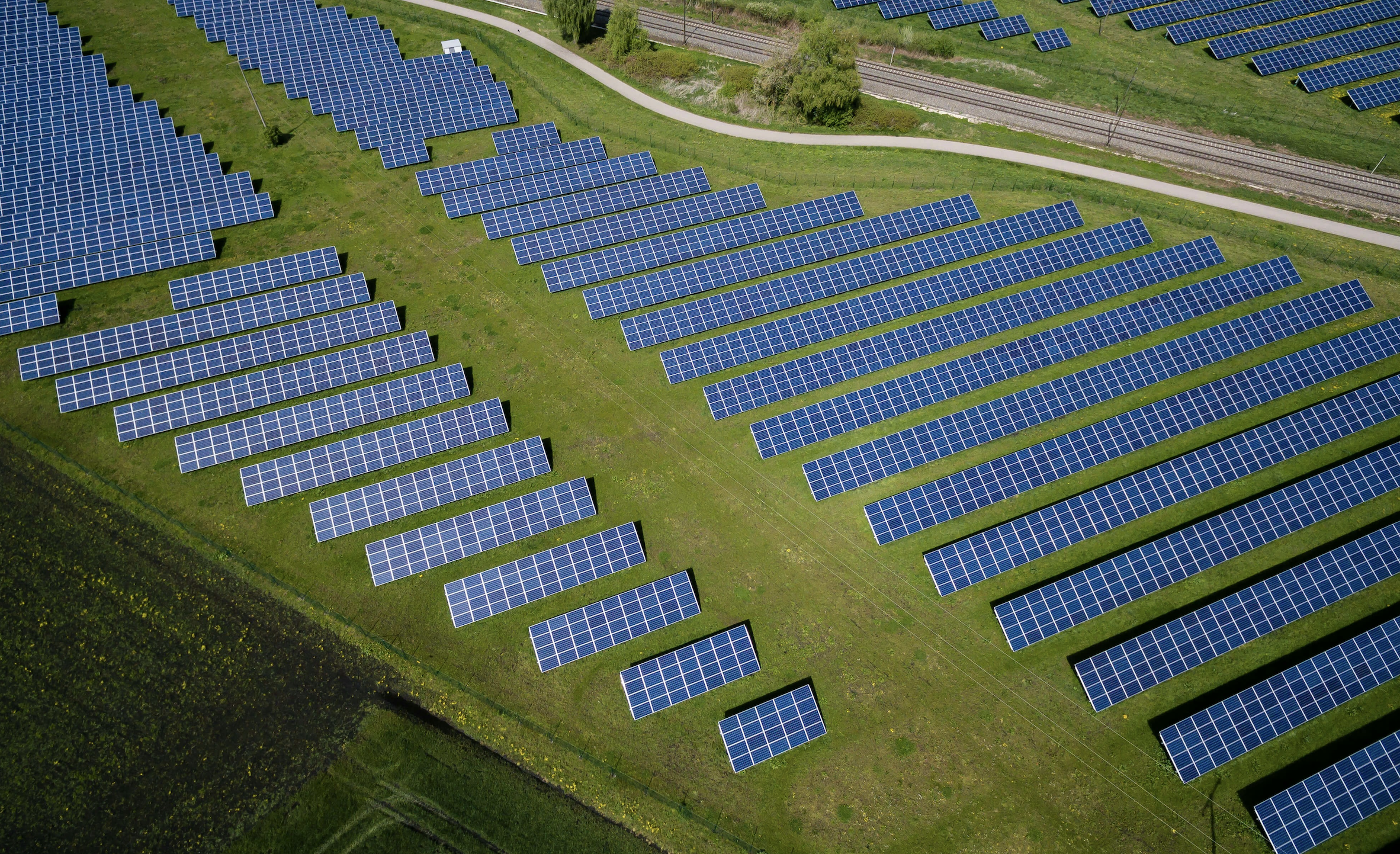
In a significant development for **Portugal**'s energy and land-use sectors, the **Portuguese Government** has approved the Program for Renewable Energy Deployment Acceleration Zones (PSZAER). This initiative, effective from August 28, 2026, introduces a "Green Map" for the continental territory, streamlining the installation of solar and wind projects to meet ambitious 2030 climate targets.
### Key Takeaways
• ✓ Municipalities must reserve at least 1% of their territory for renewable energy projects
• ✓ Mandatory PDM (Municipal Master Plan) updates required within a 24-month window
• ✓ "Green Map" identifies high-aptitude areas for solar and wind infrastructure
• ✓ Measure accelerates procedural approvals for sustainable energy investments
The new regulation targets a massive expansion of renewable capacity, aiming for 15.1 GW of solar photovoltaic and 10.4 GW of onshore wind by 2030. For investors and developers, this means a more predictable landscape for **sustainable construction** and energy infrastructure. The identification of these zones, known as **ZAER**, is designed to simplify the often complex environmental and urbanistic approval processes that have historically slowed down large-scale projects.
Strategic locations across the country, including the **Lisbon Metropolitan Area** and the **Alentejo** region, will see their local planning frameworks adjusted. Municipalities have been given a strict 90-day deadline to initiate the necessary procedures to update their Lisbon PDM [https://www.realestate-lisbon.com/lisbon/pdm] and other local plans, ensuring that at least 1% of their land is dedicated to these "acceleration zones."
This policy shift is not merely an environmental gesture; it is a fundamental restructuring of how land is valued and utilized in Portugal. By mandating that local councils carve out space for energy production, the central government is effectively creating a new asset class of "energy-ready" land. For the international investor, this represents a strategic entry point into a market that is increasingly decoupled from traditional residential cycles and more aligned with global infrastructure trends.
## Market Implications for Investors
The mandatory integration of renewable zones into municipal plans carries profound implications for **land value** and development potential. Properties located within or adjacent to these newly designated ZAER areas may see a shift in their strategic importance, particularly for industrial and utility-scale **investment opportunities**. This move underscores the government's commitment to a **green economy**, which is increasingly a factor for international investors seeking ESG-compliant assets.
Furthermore, the 24-month deadline for PDM updates creates a period of intense activity for civil engineers [https://www.realestate-lisbon.com/civil-engineers] and urban planners. Investors should monitor how municipalities like Cascais [https://www.realestate-lisbon.com/cascais/pdm] and Oeiras [https://www.realestate-lisbon.com/oeiras/pdm] adapt their territorial models to accommodate these requirements while balancing environmental and cultural heritage protections. The ability to navigate these market insights [https://www.realestate-lisbon.com/market-insights] will be the differentiator for successful capital deployment in the coming years.
The simplification of procedures within ZAER areas is expected to reduce the "soft costs" of development, making **renewable energy projects** more financially viable. This regulatory clarity is a strong **market signal** that Portugal is positioning itself as a leader in the European energy transition, attracting capital from global infrastructure funds. The reduction in bureaucratic friction is a key component of the legal issues [https://www.realestate-lisbon.com/buying-guide/legal-issues] framework that investors must analyze when entering the Portuguese market.
From a strategic perspective, the designation of these zones will likely lead to a clustering of industrial activity. Companies requiring high energy loads will naturally gravitate toward these areas, potentially driving up demand for commercial and industrial real estate in the vicinity. This secondary effect on the **commercial property market** should not be overlooked by diversified investors.
## The Government's Strategic Vision
The **Portuguese Government**'s "Green Map" approach represents a shift from project-by-project evaluation to a more holistic territorial strategy. By defining areas of high aptitude beforehand, the state aims to minimize conflicts with other land uses, such as agriculture or tourism, which are vital to the national economy. This top-down approach provides a level of certainty that was previously absent from the **renewable energy sector**.
This proactive planning is essential for achieving the goals set out in the **National Energy and Climate Plan 2030**. It also provides a framework for constructors [https://www.realestate-lisbon.com/constructors] and architects [https://www.realestate-lisbon.com/architects] to integrate renewable energy solutions into broader urban regeneration and infrastructure projects. The alignment of national policy with local planning is a critical step in de-risking large-scale **capital investments**.
## Broader Market Context
The implementation of ZAER occurs at a time when energy security and sustainability are at the forefront of European policy. Portugal's high solar radiation and wind potential make it a prime destination for **green investment**, but land-use restrictions have often been a bottleneck. The new framework directly addresses this by forcing the hand of local municipalities.
Several factors are currently shaping the renewable real estate market:
• **Regulatory Simplification**: Faster permitting within designated acceleration zones reduces project timelines and risk.
• **Grid Connectivity**: Focus on areas with existing or planned high-voltage infrastructure ensures faster time-to-market for energy production.
• **Municipal Compliance**: The 1% land reservation mandate forcing local planning updates creates a nationwide baseline for renewable readiness.
• **ESG Demand**: Growing institutional appetite for sustainable and renewable-linked assets is driving capital toward markets with clear regulatory frameworks.
These dynamics are likely to drive a new wave of **off-plan developments** focused on energy-efficient industrial hubs and sustainable residential communities that leverage local renewable production. Investors should look toward off-plan properties [https://www.realestate-lisbon.com/off-plan] that incorporate these forward-thinking energy strategies as a core value proposition.
## Investment Considerations
For foreign investors, the primary consideration is the impact of these PDM updates on existing land banks and future acquisitions. Understanding the specific **zoning changes** in municipalities like Sintra [https://www.realestate-lisbon.com/sintra/pdm] or Almada [https://www.realestate-lisbon.com/almada/pdm] is crucial for accurate valuation. It is advisable to consult with English-speaking real estate lawyers [https://www.realestate-lisbon.com/english-speaking-lawyers] to navigate the implications of these new territorial restrictions and ensure that due diligence processes are updated to reflect the new "Green Map" designations.
Additionally, the focus on energy efficiency is becoming mandatory under European directives like the EPBD. Landlords and developers should consider commissioning energy performance assessments [https://www.inspectos.pt/inspecoes-residenciais/certificado-energetico] to ensure their portfolios remain compliant with evolving standards and attractive to high-quality tenants. Properties facing Class G rental restrictions from January 2026 under the EPBD directive are particularly at risk, making certified assessments essential for landlords navigating the new compliance timeline.
Investors should also evaluate the potential for **repowering** existing renewable sites. As technology improves, the ability to generate more power from the same footprint becomes a significant value-add opportunity. The new ZAER framework may provide the necessary legal pathway to accelerate these upgrades, further enhancing the **ROI** of established energy assets.
## Looking Ahead
The next 24 months will be a critical period for Portuguese municipalities as they race to update their planning documents. This transition offers a unique window for investors to engage with local authorities and developers on **sustainable design** and energy-linked projects that align with the new national strategy. The successful integration of these zones will be a litmus test for Portugal's ability to execute on its ambitious climate goals.
As Portugal moves toward its 2030 targets, the integration of renewable energy into the fabric of its urban and rural landscapes will continue to create new **market insights** and opportunities. The convergence of energy policy and real estate planning is a trend that will only accelerate, making it a cornerstone of any sophisticated **investment strategy** in the region. For expert guidance on navigating these regulatory changes and identifying strategic investment locations, contact realestate-lisbon.com [https://www.realestate-lisbon.com/].