Lisbon's Historic Centers to See Stricter Commercial Licensing: What Investors Need to Know
By Pieter Paul Castelein
Published: September 24, 2026
Category: politics
### Lisbon's Historic Centers to See Stricter Commercial Licensing: What Investors Need to Know
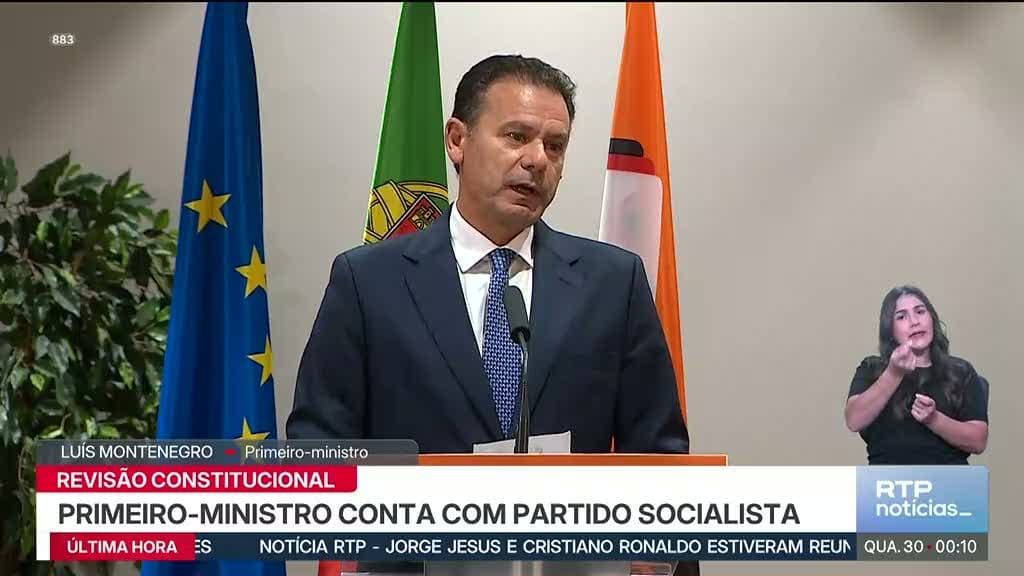
In a pivotal move set to redefine commercial real estate dynamics in **Lisbon's historic centers**, the Portuguese Government is advancing new legislation to impose stricter controls on commercial licensing. This initiative, spearheaded by the Minister of Economy and Territorial Cohesion, **Manuel Castro Almeida**, introduces significant exceptions to the prevailing “zero licensing” regime, empowering municipalities with enhanced authority over new commercial establishments in areas of cultural and historical importance. This policy shift underscores a strategic effort to balance urban development with the preservation of Lisbon's unique heritage and residential quality of life.
### Key Takeaways
• ✓ Government to implement a new Business Licensing Code, modifying “zero licensing” in historic zones.
• ✓ Municipalities can now require approval for commercial licenses in up to 15% of their urban territory.
• ✓ Policy specifically targets “facade stores” to safeguard traditional commerce and cultural identity.
• ✓ The Bairro Alto in Lisbon is a prime example of an area where this new regulatory framework will have a direct impact on commercial property investment.
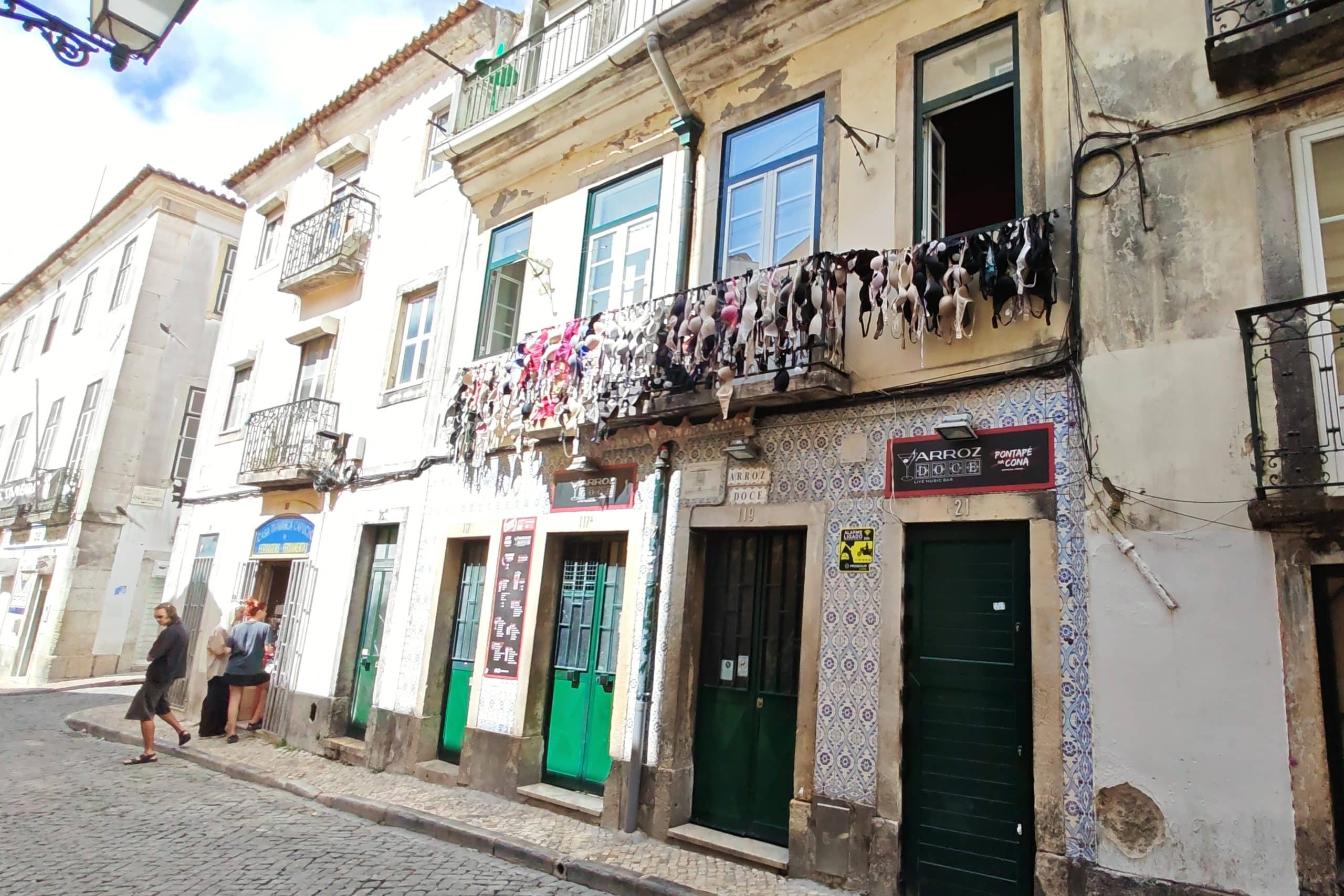
The proposed legislative framework grants municipal assemblies the power to designate specific urban areas—up to **15%** of the municipal territory—where commercial licensing will no longer be automatic under the “zero licensing” scheme. Instead, new commercial installations in these zones will require explicit municipal approval. This measure is strategically aimed at districts characterized by high tourist density or proximity to significant historical monuments and buildings, such as the iconic **Bairro Alto**, **Chiado**, and **Baixa** neighborhoods in Lisbon. These areas, while economically vibrant, have faced challenges related to unchecked commercial proliferation.
The “zero licensing” program, designed to streamline business openings, has, according to Minister Almeida, inadvertently facilitated illegal activities and inappropriate uses of properties in certain historic contexts. The forthcoming Business Licensing Code seeks to rectify these imbalances, ensuring that commercial development aligns with urban planning objectives and the preservation of Lisbon's architectural and cultural integrity. This represents a critical evolution in Portugal's approach to urban management, particularly in its most cherished and economically significant urban cores. Investors should be aware of these evolving legal issues [https://www.realestate-lisbon.com/buying-guide/legal-issues].
## Market Implications for Foreign Investors
This regulatory shift carries profound implications for foreign investors engaged in or considering Lisbon's commercial real estate market. The introduction of municipal approval for commercial licenses in designated historic zones will necessitate a more rigorous and proactive approach to due diligence. Investors can no longer assume automatic licensing; instead, they must meticulously assess local zoning laws, municipal development plans, and the specific requirements for commercial operations within these protected areas. This could impact the timeline and feasibility of certain commercial projects, particularly those not aligned with the preservation of traditional commerce.
The policy's explicit aim to combat “facade stores”—establishments that often masquerade as legitimate businesses while engaging in illicit activities—is expected to reshape the commercial landscape. This could lead to a more authentic and sustainable retail and hospitality sector in historic centers, potentially enhancing the long-term value of properties occupied by genuine, culturally integrated businesses. For investors, this signals a potential shift towards valuing properties that support traditional commerce or high-quality, curated experiences, rather than those catering to mass tourism with minimal local integration. Such changes are crucial for understanding market dynamics [https://www.realestate-lisbon.com/market-insights].
Furthermore, the government's intervention underscores a broader commitment to urban regeneration and the protection of Lisbon's unique character. While potentially introducing new hurdles, this commitment can also lead to increased stability and appreciation for well-managed, compliant commercial properties in these prime locations. Investors should consider the long-term benefits of investing in properties that align with these urban preservation goals, as they are likely to maintain their appeal and value over time. The Simplex 2024 liability framework [https://www.homeos.pt/simplex-2024/] has prompted buyers to conduct documentary due diligence before signing the CPCV, verifying whether licensed floor plans match the physical property.
## Government's Rationale and Urban Preservation
The impetus behind this legislative change stems from growing concerns among residents and local business associations, particularly in areas like **Bairro Alto**. These stakeholders have consistently highlighted the negative impact of unchecked commercialization, where numerous establishments, often operating under misleading pretenses (e.g., “casas de chá” or “livrarias” primarily selling alcohol), contribute to noise pollution, public disorder, and the erosion of the neighborhood's traditional social fabric. The Lisbon City Council has already begun to act, approving the distinction of eight establishments as “Historic Shops,” including the **Foxtrot bar** and **Trindade brewery**, signaling a proactive approach to preserving cultural landmarks.
By granting municipalities the power to validate commercial initiatives, the government aims to restore a balance between economic development driven by tourism and the imperative of urban preservation. This policy is a critical component of Lisbon's broader urban regeneration [https://www.realestate-lisbon.com/news/general] strategy, which seeks to foster sustainable growth while safeguarding the city's unique historical and cultural identity. It reflects a recognition that unchecked commercial expansion, while generating short-term revenue, can ultimately undermine the very charm that attracts visitors and residents alike.
## Lisbon's Historic Commercial Market Context
Lisbon's historic centers, including the vibrant districts of **Alfama**, **Chiado**, **Baixa**, and **Bairro Alto**, represent some of Europe's most attractive commercial real estate markets. These areas are characterized by a unique blend of historical architecture, cultural vibrancy, and high foot traffic, making them prime locations for retail, hospitality, and cultural ventures. However, this desirability also brings challenges, including intense competition for space, rising property values, and the need for sensitive urban planning.
Several factors continue to influence the commercial real estate market in these historic zones, demanding careful consideration from investors:
• **Intensified Tourism Pressure**: While a boon for business, high tourist volumes can strain infrastructure and alter local character, necessitating regulatory responses.
• **Urban Regeneration Initiatives**: Ongoing public and private investments in restoring historic buildings and improving public spaces enhance property values and appeal.
• **Preservation of Cultural Heritage**: Strong emphasis on maintaining architectural integrity and traditional commerce influences permissible business types and renovations.
• **Evolving Consumer Preferences**: A growing demand for authentic, locally integrated experiences over generic commercial offerings shapes the viability of different business models.
• **Digital Nomad and Expat Influx**: The increasing number of foreign residents contributes to diverse commercial demand, from co-working spaces to specialized retail.
The new licensing framework is designed to navigate these complex dynamics, ensuring that commercial development contributes positively to the urban fabric and long-term sustainability of these unique neighborhoods. Investors should consult comprehensive Lisbon neighborhood guides [https://www.realestate-lisbon.com/lisbon-real-estate-neighborhoods] for detailed insights into specific micro-markets and their unique regulatory environments.
## Investment Considerations
For foreign investors targeting commercial properties in Lisbon's historic centers, this policy shift necessitates a recalibration of investment strategies. The primary actionable insight is the critical importance of enhanced due diligence, particularly concerning commercial licensing and compliance. Investors must move beyond superficial assessments and engage deeply with local regulations, urban planning documents, and the specific historical context of each property. Consulting with specialized English-speaking real estate lawyers [https://www.realestate-lisbon.com/english-speaking-lawyers] and local commercial real estate agents is no longer merely advisable but essential for navigating this new regulatory landscape effectively. Platforms like HomeOS's legal verification tools [https://www.homeos.pt/comprar/proteger/legalidade-do-imovel/] can provide crucial insights into property legality and compliance.
The government's focus on protecting “Historic Shops” also presents a unique investment opportunity. Properties with established historical value or those suitable for culturally aligned commercial ventures may see enhanced long-term appeal and stability. Investors could explore strategies focused on acquiring and revitalizing traditional businesses, contributing to the preservation of Lisbon's heritage while securing sustainable returns. This approach aligns with the city's broader vision for its historic centers, potentially offering a competitive advantage. Furthermore, understanding the investment risks [https://www.realestate-lisbon.com/buying-guide/investment-risks] associated with non-compliant properties is crucial.
Moreover, the policy's emphasis on curbing illegal activities and managing tourist pressure could lead to a more stable and predictable operating environment for legitimate businesses. This enhanced regulatory clarity, while initially demanding, can ultimately foster greater investor confidence in the long-term viability of commercial assets in these prime locations. Investors should also consider the potential for increased property values in areas where the unique cultural identity is successfully preserved and enhanced through such policies. Engaging with real estate agents [https://www.realestate-lisbon.com/real-estate-agents] specializing in commercial properties is recommended.
## Future Outlook
The Portuguese Government's proactive stance on commercial licensing in Lisbon's historic centers signals a clear trajectory towards more sustainable and culturally integrated urban development. This policy is poised to shape the future of commercial real estate in these iconic areas, fostering a delicate balance between economic dynamism and the preservation of invaluable heritage. While the initial implementation may introduce complexities, the long-term outlook suggests a more resilient and authentic commercial environment, appealing to discerning foreign investors who prioritize sustainable value and cultural alignment.
For stakeholders in Lisbon's commercial real estate market, these developments provide critical insights into the evolving regulatory landscape and the city's commitment to its historic core. Adapting investment strategies to align with these new directives will be key to unlocking opportunities in a market that continues to mature and refine its identity. For expert guidance on commercial property investment and navigating regulatory changes in Lisbon, contact realestate-lisbon.com [https://www.realestate-lisbon.com/].