Sintra Illegal Housing Crackdown: Regulatory Risks for Property Investors
By Nikola Zdraveski
Published: September 16, 2026
Category: legal-updates
### Sintra Illegal Housing Crackdown: Regulatory Risks for Property Investors
In a notable development for the **Sintra** real estate market, the **Polícia de Segurança Pública (PSP)** has executed a series of inspections in Algueirão-Mem Martins, uncovering the illegal use of commercial units as permanent residences. This enforcement action underscores the critical regulatory risks facing investors who engage in unauthorized property conversions or fail to verify the habitation status of their assets.
### Key Takeaways
• ✓ PSP identifies commercial shops being used as illegal housing in Sintra
• ✓ Enforcement highlights the transfer of liability to buyers under DL 10/2024
• ✓ Sintra Municipal Council to initiate sanctioning procedures for licensing breaches
• ✓ Transactional due diligence remains essential despite Simplex deregulation
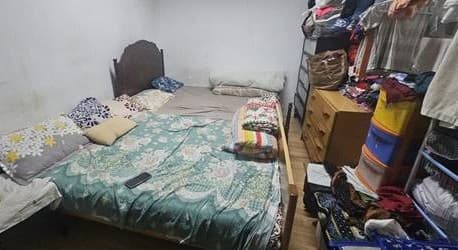
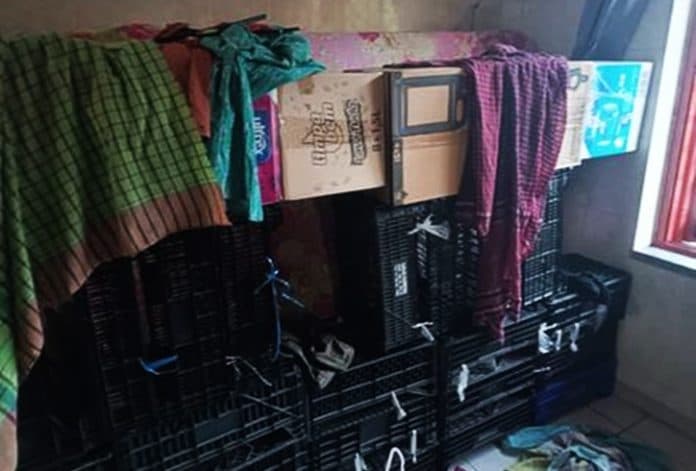
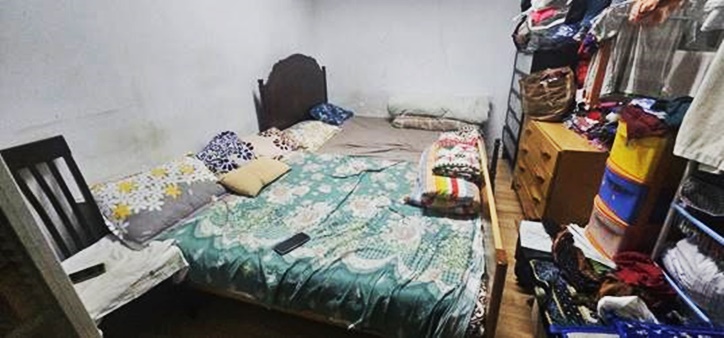
The operation in **Algueirão-Mem Martins**, a key residential hub within the **Sintra** municipality, was prompted by reports of illegal housing and potential risks to minors. While the social welfare concerns were largely mitigated—with authorities confirming that children were properly enrolled in school—the physical and legal status of the properties revealed a significant breach of **urban planning regulations**.
At least one commercial establishment was found to be housing multiple citizens permanently, a use case that contradicts its designated commercial license. This discovery has led to the preparation of formal reports for the **Câmara Municipal de Sintra**, which will now oversee administrative and sanctioning procedures against the property owners. For investors, this serves as a stark reminder that the **Licença de Utilização** (Habitation License) is not a mere formality but a fundamental requirement for residential occupancy.
The strategic positioning of Sintra as a high-demand area for both locals and expats has led to a rise in "creative" housing solutions. However, as this PSP intervention demonstrates, the **market signal** is one of increased vigilance. Investors must ensure that any property marketed for residential use is legally classified as such in the **Caderneta Predial** and the **Certidão de Teor**.
## Market Implications for Investors
The successful identification of illegal housing in Sintra carries profound implications for the **investment landscape**. Since the introduction of **DL 10/2024**, also known as the "Simplex Urbanístico," the requirement to present a habitation license at the time of the deed (Escritura) has been removed. While this was intended to streamline transactions, it has effectively transferred the **legal liability** for unlicensed works or improper use from the seller to the buyer.
This transaction reflects a growing trend where authorities are shifting their focus from pre-transaction gatekeeping to post-transaction enforcement. For those evaluating Portugal's property market insights [https://www.realestate-lisbon.com/market-insights], the risk of acquiring a "shop" that has been illegally converted into an "apartment" is now a risk compounded by DL 10/2024, which transfers full legal liability for unlicensed works to the buyer at signing — making independent Simplex Safe legal verification [https://www.inspectos.pt/inspecoes-residenciais/simplex-safe] an increasingly standard step in the acquisition process.
Furthermore, the involvement of the **Núcleo de Estrangeiros e Fronteiras** in this operation highlights the intersection of property law and immigration. While the residents in this case were found to be in a regular documentary situation, investors must be wary of the reputational and legal risks associated with providing substandard or illegal housing to the expat or migrant community.
The potential for **municipal sanctions** in Sintra is significant. The Council has the authority to order the immediate cessation of residential use, mandate the restoration of the property to its original commercial state, or even issue demolition orders for illegal structural changes. These outcomes can lead to a total loss of rental income and a substantial decrease in asset value.
## The Rise of Commercial-to-Residential Conversions
The conversion of commercial units into residential apartments has become a popular strategy for investors seeking higher yields in a supply-constrained market. However, the **Sintra** crackdown demonstrates that this strategy is only viable when executed through the proper legal channels. A formal change of use (alteração de utilização) must be approved by the municipality, ensuring the unit meets minimum requirements for light, ventilation, and sanitation.
This latest transaction reinforces the reputation of **Sintra** as a municipality that, while welcoming investment, maintains a firm grip on urban salubrity. Investors are increasingly cross-referencing property documents against independent illegal works checks [https://www.homeos.pt/comprar/proteger/obras-ilegais/] to mitigate regulatory exposure before committing capital to converted units.
## Sintra Regulatory and Market Context
The regulatory environment in Sintra is governed by the Sintra Municipal Master Plan (PDM) [https://www.realestate-lisbon.com/sintra/pdm], which dictates the permitted uses for every square meter of the municipality. The recent PSP operation is a clear indicator that the PDM is being actively enforced through field inspections.
Several factors continue to influence the risk profile of Sintra real estate:
• **Simplex 2024 Liability**: The shift of responsibility for licensing verification to the buyer
• **Municipal Oversight**: Proactive inspections by the Câmara Municipal and PSP
• **Habitability Standards**: Strict enforcement of the RGEU (General Regulation of Urban Buildings)
• **Zoning Compliance**: The necessity of aligning physical use with the PDM's designated categories
These factors underscore the importance of staying updated on regulatory and legal frameworks [https://www.realestate-lisbon.com/blog/regulatory-and-legal-frameworks]. For investors, the cost of a comprehensive legal review is negligible compared to the potential losses from a municipal enforcement action.
The broader market context in Sintra remains positive, with strong demand for legitimate residential units. However, the "grey market" of unlicensed conversions is facing a tightening net of enforcement that investors must navigate with extreme caution.
## Investment Considerations
For foreign investors, the primary takeaway from the Sintra crackdown is the non-negotiable nature of **due diligence**. When considering a property in Sintra, it is vital to engage English-speaking real estate lawyers [https://www.realestate-lisbon.com/english-speaking-lawyers] who can conduct a deep dive into the property's licensing history. This includes verifying the **CPCV vs. Escritura** protections and ensuring that the seller provides warranties regarding the legality of all works.
Practical takeaways for investors include commissioning pre-purchase inspections [https://www.realestate-lisbon.com/professionals/home-inspectors-pre-purchase-inspections] from qualified home inspectors [https://www.realestate-lisbon.com/home-inspectors]. These professionals can identify unauthorized structural changes that may not be apparent to the untrained eye but would trigger a municipal red flag during a future inspection.
Additionally, consulting with architects in Sintra [https://www.realestate-lisbon.com/sintra/architects] can provide clarity on whether a commercial unit can be legally converted to residential use, providing a roadmap for a compliant and profitable investment strategy.
## Looking Ahead
The future trajectory of the Sintra market will likely see a continued emphasis on **urban regeneration** and the formalization of the housing stock. While the "Simplex" measures have reduced bureaucratic hurdles at the point of sale, they have increased the importance of professional oversight throughout the investment lifecycle.
For stakeholders in the Sintra real estate market, the PSP's actions serve as a healthy reminder that market growth must be built on a foundation of legal compliance and habitability. For expert guidance on navigating property investment and regulatory compliance in Sintra, contact realestate-lisbon.com [https://www.realestate-lisbon.com/].