Sintra: PSP Uncovers Illegal Residential Use in Mem Martins Commercial Property, Highlighting Due Diligence Risks for Investors
By Nikola Zdraveski
Published: September 15, 2026
Category: legal-updates
### Sintra: PSP Uncovers Illegal Residential Use in Mem Martins Commercial Property, Highlighting Due Diligence Risks for Investors
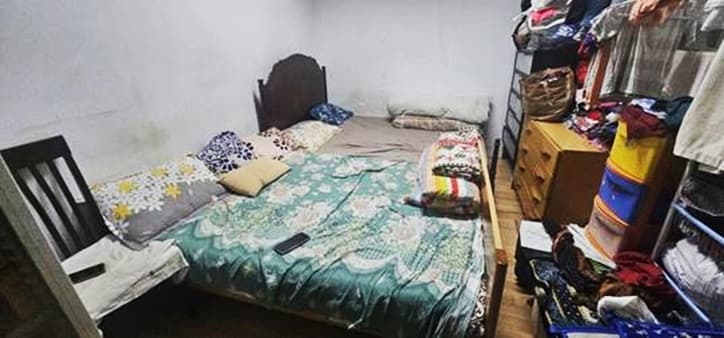
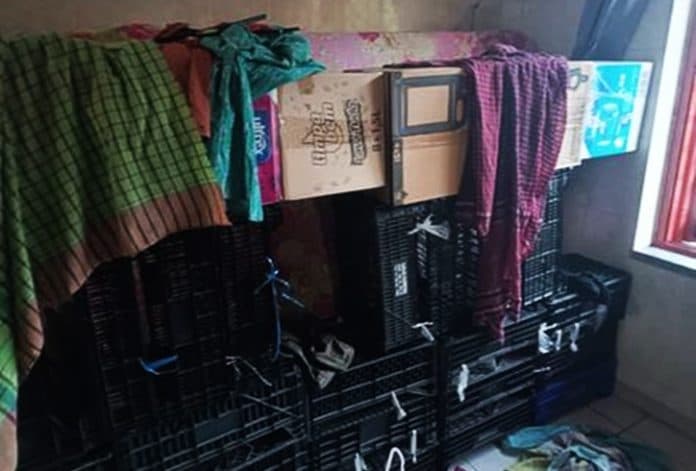
In a significant development for **Sintra**'s property landscape, the **Public Security Police (PSP)** recently uncovered a case of illegal residential use within a commercial establishment in Algueirão-Mem Martins. This operation underscores the critical importance of rigorous due diligence in the Portuguese real estate market, particularly for foreign investors and expats.
### Key Takeaways
• ✓ PSP detects illegal housing within a commercial property in Algueirão-Mem Martins, Sintra
• ✓ Operation highlights risks of unpermitted property use and regulatory non-compliance
• ✓ Sintra City Council to initiate administrative and sanctioning procedures
• ✓ Incident reinforces need for thorough legal and physical due diligence in property acquisition
The recent police operation unfolded in **Algueirão-Mem Martins**, a dynamic and densely populated area within the municipality of **Sintra**, strategically located in the broader Lisbon metropolitan area. Sintra, a UNESCO World Heritage site, is globally recognized for its romantic 19th-century architecture and lush landscapes, making it a highly desirable location for both residential living and tourism. However, its rapid urban expansion and diverse socio-economic fabric present unique challenges in urban planning and regulatory oversight. Algueirão-Mem Martins, specifically, serves as a vital commercial and residential hub, characterized by a vibrant mix of local businesses, residential complexes, and essential services. This blend contributes to its appeal but also creates conditions where informal property uses can emerge, driven by housing demand and economic pressures.
The strategic positioning of Algueirão-Mem Martins, with its excellent connectivity to Lisbon via public transport and major road networks, further amplifies its importance within the metropolitan context. This accessibility, coupled with a growing population, places continuous pressure on existing infrastructure and housing stock. For foreign investors and expats, understanding these localized dynamics is paramount. While the allure of Sintra's natural beauty and cultural richness is undeniable, the practicalities of property acquisition necessitate a deep dive into the specific characteristics and regulatory environment of its various localities. The incident serves as a stark reminder that even in attractive markets, localized issues can significantly impact property value and legal standing, emphasizing the need for granular neighborhood-specific insights [https://www.realestate-lisbon.com/lisbon-real-estate-neighborhoods].
## Market Implications for Investors
The detection of illegal residential use within a commercial property in Sintra carries profound implications for **commercial and residential real estate investors** operating in the Lisbon metropolitan area. This incident is not merely an isolated event but a potent signal regarding the active enforcement of urban planning regulations and the inherent risks associated with properties that deviate from their legally designated use. For foreign buyers, this underscores a critical investment consideration: the legal and functional integrity of a property is as important as its location or aesthetic appeal. Acquiring a property with unpermitted changes or an illegal change of use can lead to substantial financial liabilities, including hefty administrative fines, mandatory rectification works, or even the demolition of illegal structures.
Furthermore, this operation highlights the increasing vigilance of local authorities, such as the **Sintra City Council**, in upholding urban planning laws. This heightened scrutiny is particularly relevant in the context of recent legislative reforms, notably **Decree-Law 10/2024 (Simplex Urbanístico)**. This landmark legislation significantly shifts the burden of legal liability for unlicensed works to the buyer at the point of signing the promissory contract (CPCV), making independent Simplex Safe legal verification [https://www.inspectos.pt/inspecoes-residenciais/simplex-safe] an indispensable component of the acquisition process. Investors must recognize that the era of assuming legal compliance is over; proactive verification is now a fundamental requirement. The broader market implication is a reinforcement of the need for absolute transparency and legality in all property transactions. While Portugal continues to offer attractive investment opportunities, these must be pursued with an acute awareness of the regulatory landscape and potential pitfalls. Investors seeking to navigate these complexities effectively should engage with experienced real estate lawyers specializing in due diligence [https://www.realestate-lisbon.com/professionals/real-estate-lawyers-due-diligence] and property acquisition.
The incident also serves as a cautionary tale for those considering investments in mixed-use properties or properties with potential for conversion. The legal framework governing such changes is stringent, and any deviation without proper licensing can lead to severe consequences. This reinforces the value of expert advice from architects in Sintra [https://www.realestate-lisbon.com/sintra/architects] and civil engineers in Sintra [https://www.realestate-lisbon.com/sintra/civil-engineers] who are well-versed in local planning regulations and can provide accurate assessments of a property's potential and legal limitations.
## PSP's Enforcement and Regulatory Framework
The **Public Security Police (PSP)**, in collaboration with the Foreigners and Borders Unit, executed these inspection operations as part of their ongoing mandate to ensure public safety and uphold urban planning regulations. The PSP's involvement underscores the gravity with which Portuguese authorities view the issue of illegal housing, recognizing its potential to create unsafe living conditions, exploit vulnerable populations, and undermine the integrity of urban development. Their proactive approach in monitoring habitability and safety conditions extends beyond traditional law enforcement, encompassing a broader role in safeguarding community standards and ensuring compliance with local statutes. This demonstrates a concerted effort to address informal urban practices that can proliferate in areas experiencing high demand and rapid growth.
The subsequent referral of the inspection reports to the **Sintra City Council** highlights the multi-agency approach to regulatory enforcement in Portugal. The City Council is now tasked with initiating appropriate administrative and sanctioning procedures, which could range from fines to orders for property regularization or even closure. This collaborative framework between police forces and municipal authorities is designed to ensure a comprehensive response to urban irregularities. For property owners and prospective buyers, this emphasizes the critical importance of understanding and adhering to the specific urban planning regulations, commonly known as the **PDM (Plano Diretor Municipal)**, of each municipality. Sintra's PDM, accessible via resources like realestate-lisbon.com/sintra/pdm [https://www.realestate-lisbon.com/sintra/pdm], outlines the permissible uses and development parameters for properties within its jurisdiction, serving as a foundational document for any real estate investment or development project.
## Lisbon Metropolitan Area Property Context
The incident in Algueirão-Mem Martins, Sintra, must be viewed within the broader context of the Lisbon metropolitan area's dynamic real estate market. This region has experienced significant growth in recent years, driven by foreign investment, tourism, and a burgeoning expat community. While this growth has brought economic benefits, it has also placed considerable pressure on housing supply and infrastructure, sometimes leading to informal solutions such as the conversion of commercial spaces for residential use without proper authorization.
Several interconnected factors continue to shape the regulatory and investment landscape in this context:
• **Intensified Regulatory Scrutiny**: Municipal authorities across the Lisbon metropolitan area are increasing their vigilance against unpermitted changes, illegal constructions, and deviations from approved urban plans. This is a direct response to past informalities and a commitment to sustainable urban development.
• **Enhanced Buyer Liability**: Recent legislative changes, particularly the Simplex Urbanístico, have fundamentally altered the risk profile for buyers. The onus is now firmly on the purchaser to verify the legality of a property, including its designated use and the licensing of all existing constructions, before completing a transaction.
• **Urban Planning Compliance Imperative**: Strict adherence to municipal master plans (PDMs) is becoming non-negotiable. Properties must align with their legally designated use (e.g., residential, commercial, services), and any proposed changes require formal approval and licensing.
• **Social and Safety Considerations**: Beyond legal compliance, authorities are increasingly focused on preventing human exploitation and ensuring safe, habitable living conditions. Illegal conversions often bypass essential safety standards, posing risks to occupants and the wider community.
These factors collectively create a more stringent environment for property transactions, underscoring the absolute necessity for thorough verification of a property's legal status and physical condition. Investors must be prepared to engage in comprehensive due diligence, utilizing all available tools and professional expertise to mitigate risks. For a comprehensive check on potential illegal works, platforms such as HomeOS's illegal works check [https://www.homeos.pt/comprar/proteger/obras-ilegais/] can provide preliminary insights into potential discrepancies.
## Investment Considerations
For foreign investors and expats targeting the Lisbon metropolitan area, this case from Sintra serves as a critical and actionable reminder of the complexities inherent in the Portuguese real estate market. It unequivocally reinforces the need for meticulous due diligence that extends far beyond superficial property inspections. Investors must prioritize a comprehensive legal and physical audit of any prospective property. This includes verifying that the property's actual use precisely aligns with its registered legal designation in the land registry and municipal records, and that all existing constructions, alterations, or expansions possess the requisite licenses and permits. The legal issues [https://www.realestate-lisbon.com/buying-guide/legal-issues] surrounding property acquisition in Portugal can be intricate, and understanding them is paramount.
Engaging with highly experienced real estate lawyers [https://www.realestate-lisbon.com/real-estate-lawyers] and certified home inspectors [https://www.realestate-lisbon.com/home-inspectors] is not merely advisable but paramount to effectively mitigate the significant risks associated with illegal housing or unpermitted alterations. These professionals are equipped to conduct thorough checks, including verifying the legal verification of the property [https://www.realestate-lisbon.com/comprar/proteger/legalidade-do-imovel/] against municipal planning documents and ensuring full compliance with local urban planning regulations. Furthermore, understanding the full spectrum of investment risks [https://www.realestate-lisbon.com/buying-guide/investment-risks], particularly those stemming from non-compliant properties, is vital for safeguarding one's capital and ensuring the long-term viability of an investment. The financial implications of rectifying illegal works or facing administrative penalties can severely erode investment returns.
Prospective buyers should also be aware of the tools available to assist in this process. While a true cost calculator for property [https://www.realestate-lisbon.com/calculators/true-cost] can help factor in potential regularization expenses, the primary focus should remain on preventing such issues through rigorous pre-purchase checks. This proactive approach is essential for making informed decisions and avoiding costly post-purchase complications.
## Looking Ahead
The PSP's operation in Sintra, and similar enforcement actions across the Lisbon metropolitan area, signal an unwavering commitment by Portuguese authorities to foster a more regulated, transparent, and secure real estate market. This proactive stance, while occasionally highlighting existing irregularities, ultimately contributes to a healthier investment environment by reducing risks associated with non-compliant properties. The emphasis on legal conformity and urban planning adherence is a positive development for long-term market stability and investor confidence.
For foreign investors and expats, the evolving regulatory landscape necessitates a strategic approach centered on comprehensive due diligence and expert consultation. Staying informed about local regulations, understanding the implications of new legislation, and prioritizing professional advice will be paramount to successful and secure property acquisition in Portugal. The market continues to offer compelling opportunities, but these are best realized through a foundation of legal soundness and informed decision-making. For expert guidance on navigating the legal and regulatory landscape of Portuguese real estate, contact realestate-lisbon.com [https://www.realestate-lisbon.com/].