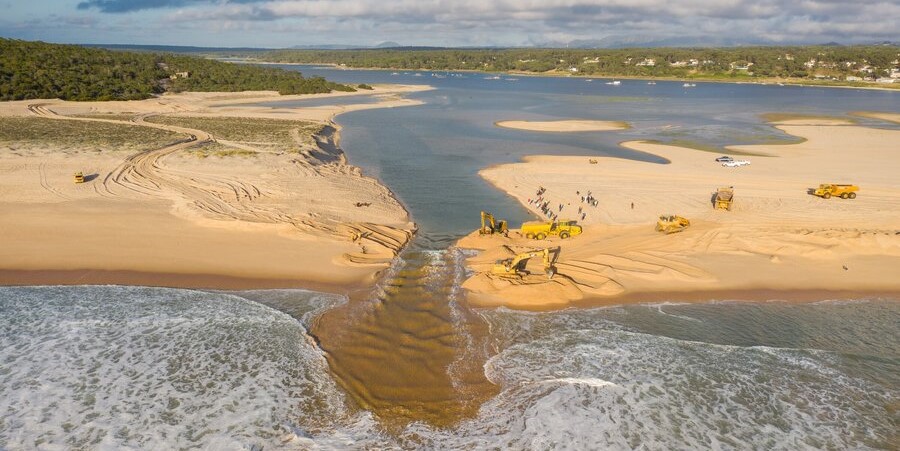
Environmental Concerns in Sesimbra: Pine Felling Near Lagoa de Albufeira Raises Questions for Property Development
By Kellogg Fairbank
Published: April 2, 2026
Category: sustainability-environment
### Environmental Regulations and Land Use Conflicts: A Critical Analysis for Sesimbra Real Estate Investors
A recent controversy in **Sesimbra**, involving the felling of approximately **2,000 tons of stone pines** near the ecologically vital Lagoa de Albufeira, has brought to the forefront the intricate challenges of land use, environmental protection, and urban development in Portugal. The environmental association **Quercus** has vehemently criticized this action, highlighting potential legal ambiguities and the perceived passivity of local authorities. For foreign investors and expats considering property ventures in this picturesque region, this incident underscores the critical importance of rigorous due diligence and a nuanced understanding of Portugal's evolving environmental and planning regulations.
### Key Takeaways
• ✓ Quercus challenges large-scale pine felling in Sesimbra, raising environmental and legal concerns
• ✓ Incident exposes potential regulatory gaps between international conservation status and national land use policies
• ✓ Sesimbra's Urbanization Plan (PULA) and Ramsar Site designation are central to land development considerations
• ✓ Investors must prioritize comprehensive environmental due diligence and engage with local planning instruments
**Sesimbra**, a municipality within the greater Lisbon metropolitan area, is highly regarded for its stunning coastline, natural parks, and the tranquil Lagoa de Albufeira. This region offers a compelling blend of natural beauty and accessibility, making it an attractive destination for both lifestyle buyers and real estate investors. The Lagoa de Albufeira, in particular, holds significant ecological value, recognized internationally as a Ramsar Site. This designation underscores its importance as a wetland ecosystem, with the surrounding pine forests playing a crucial role in maintaining hydrological balance, preventing erosion, and supporting biodiversity. The integrity of such natural assets directly contributes to the long-term appeal and value of properties in the area.
The strategic positioning of Sesimbra, offering proximity to Lisbon while retaining a distinct natural character, has fueled interest in its real estate market. However, the recent felling of stone pines on private land, despite its ecological implications, highlights a complex regulatory landscape. While the land in question is reportedly not within a Special Conservation Zone (ZEC) or Special Protection Zone (ZPE), Quercus argues that such a massive intervention cannot be exempt from ecological and landscape impacts. This situation necessitates that investors delve deeper than surface-level property assessments, understanding the broader environmental context and the potential for public and regulatory challenges to development projects.
## Market Implications for Investors
The controversy surrounding the pine felling in Sesimbra carries profound implications for **real estate investment strategies**. Firstly, it signals an intensified focus on environmental sustainability within Portugal's property sector. Investors are increasingly expected to demonstrate adherence to ecological principles, not just for ethical reasons, but also to mitigate financial and reputational risks. Projects perceived as environmentally detrimental may face significant opposition, leading to delays, increased costs, or even legal challenges. This underscores the growing importance of ESG (Environmental, Social, and Governance) factors in real estate valuation and investment decisions.
Secondly, the incident exposes potential ambiguities or perceived “legal loopholes” in the application of environmental regulations. Quercus's accusation of passivity against the **ICNF** and the **Sesimbra Municipal Council** suggests that the enforcement of existing laws, or the clarity of their scope, may be subject to interpretation. For investors, this translates into a heightened need for meticulous legal and environmental due diligence. Understanding the nuances of the Urbanization Plan of Lagoa de Albufeira (PULA) and its interaction with broader national and international conservation frameworks is no longer optional but essential. Engaging with specialized legal counsel for due diligence [https://www.realestate-lisbon.com/professionals/real-estate-lawyers-due-diligence] is critical to navigate these complexities.
Furthermore, the debate highlights the influence of public opinion and environmental advocacy groups on development projects. Even if a project is technically compliant with certain regulations, strong public opposition can create significant hurdles. This necessitates a proactive approach from developers and investors, emphasizing transparency, community engagement, and a commitment to sustainable practices. The long-term value of a property can be significantly enhanced by its alignment with environmental stewardship, appealing to a growing segment of environmentally conscious buyers and tenants. This is a key market intelligence [https://www.realestate-lisbon.com/blog/market-intelligence-and-analysis] point for any serious investor.
## Key Players and Regulatory Frameworks
The central figures in this environmental dispute are **Quercus**, the **Institute for Nature Conservation and Forests (ICNF)**, and the **Sesimbra Municipal Council**. Quercus, as a leading environmental NGO, acts as a watchdog, advocating for the protection of Portugal's natural heritage. Their intervention in this case underscores the power of civil society in influencing land use decisions and holding public bodies accountable. The ICNF, as the national authority for nature conservation and forests, plays a pivotal role in defining and enforcing environmental policies. Its perceived inaction or contradictory stances, as alleged by Quercus, highlight the challenges in balancing economic development with ecological preservation.
The Sesimbra Municipal Council is the local authority responsible for territorial management and the implementation of urban planning instruments, most notably the **Plano de Urbanização da Lagoa de Albufeira (PULA)**. The PULA is a critical document for any investor, as it outlines specific land use classifications and development restrictions within the area. Quercus's argument that the felling could contravene the PULA, which designates the area as “agricultural-forest space with ecological functions” and imposes restrictions on vegetation alteration, points to a potential conflict between private land management and established planning objectives. Understanding the Municipal Master Plan (PDM) for Sesimbra [https://www.realestate-lisbon.com/sesimbra/pdm] is therefore indispensable for any property-related decision.
## Broader Market Context: Sustainability in Portuguese Real Estate
This incident in Sesimbra is not isolated but reflects a broader trend towards increased environmental awareness and regulatory scrutiny within the Portuguese real estate market. As Portugal positions itself as a leader in sustainability and green initiatives, the pressure on developers and property owners to adopt environmentally responsible practices is intensifying. This includes everything from green building certifications to the preservation of natural landscapes adjacent to development sites. The market is gradually shifting towards valuing properties that demonstrate ecological sensitivity and contribute positively to their natural surroundings.
Several factors are driving this emphasis on sustainability in the real estate sector:
• **Evolving Legislation**: Portugal's commitment to EU environmental directives and national conservation goals is leading to more stringent land use and development regulations.
• **Investor Demand**: A growing segment of international investors prioritizes sustainable and ethically sound investments, influencing capital flows towards green projects.
• **Consumer Preference**: Expats and local buyers are increasingly seeking properties that offer a connection to nature and adhere to high environmental standards.
• **Climate Change Resilience**: The need for developments to be resilient to climate change impacts, such as erosion and extreme weather, is becoming a key planning consideration.
These factors collectively shape the investment landscape, making environmental considerations a central component of any successful real estate venture. Developers who proactively integrate sustainable design and construction practices, consulting with sustainable design architects [https://www.realestate-lisbon.com/professionals/architects-sustainable-design], are likely to find greater market acceptance and long-term value.
## Investment Considerations for Foreign Buyers
For foreign investors and expats, the Sesimbra case serves as a powerful reminder of the complexities inherent in the Portuguese real estate market, particularly in areas with significant natural value. The primary takeaway is the absolute necessity of conducting exhaustive **environmental due diligence**. This extends beyond typical property inspections to include a detailed review of local planning documents, environmental impact assessments, and consultation with experts on land classification and conservation statutes. Engaging home inspectors for pre-purchase inspections [https://www.realestate-lisbon.com/professionals/home-inspectors-pre-purchase-inspections] should include an environmental component.
Furthermore, investors should assess the potential for public and regulatory challenges to any proposed development or land use change. Understanding the local political and social landscape, including the influence of environmental groups, can help mitigate future risks. Strategic investors may find opportunities in projects that align with sustainable development principles, such as eco-tourism ventures or properties that enhance, rather than detract from, the natural environment. Such projects can offer unique market positioning and long-term appreciation, especially in regions like Sesimbra that trade on their natural appeal. For guidance on investment and strategy guides [https://www.realestate-lisbon.com/blog/investment-and-strategy-guides], visit our blog.
## Future Outlook
The ongoing dialogue initiated by Quercus in Sesimbra is indicative of a broader trend towards greater accountability and transparency in land use decisions across Portugal. As the country continues to attract foreign investment and expat residents, the balance between development and environmental preservation will remain a critical policy area. Future regulatory changes are likely to emphasize stricter environmental safeguards and more coherent integration of international conservation commitments into national and local planning instruments.
For investors, this means that a forward-thinking approach, prioritizing sustainability and comprehensive regulatory compliance, will be essential for success. Proactive engagement with local authorities, environmental consultants, and legal experts will not only mitigate risks but also unlock opportunities in a market increasingly defined by its commitment to a green future. For expert guidance on navigating Portugal's real estate landscape, contact realestate-lisbon.com [https://www.realestate-lisbon.com/].