Portugal's Political Tug-of-War: Rent Tax Hike and Housing Crisis Impact Lisbon Investors
By Pieter Paul Castelein
Published: November 23, 2026
Category: politics
### Portugal's Political Tug-of-War: Rent Tax Hike and Housing Crisis Impact Lisbon Investors
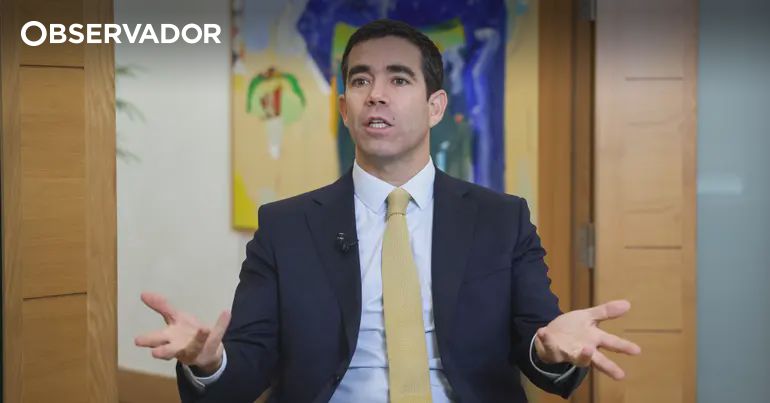
In a significant development for **Portugal**'s political and economic landscape, the Minister of the Presidency, **António Leitão Amaro**, has publicly criticized the opposition parties, the Socialist Party (PS) and Chega, for what he describes as "inconsistency, lack of direction, and opportunism." Amaro asserts that these parties are actively working to impede government reforms and changes, a strategy he believes is designed to weaken the current administration ahead of future legislative elections. This political deadlock carries profound implications for the nation's persistent housing crisis and the financial viability of real estate investments, particularly within the dynamic **Lisbon** market.
### Key Takeaways
• ✓ PS and Chega coalition implements a **150% increase** in rent taxes, affecting 700,000 contracts.
• ✓ Government warns of exacerbated housing crisis and potential budget deficit due to opposition's legislative actions.
• ✓ Political instability and unpredictable policy shifts pose significant risks to essential reforms and long-term economic planning.
• ✓ The substantial increase in landlord tax burden directly impacts rental yields and overall real estate investment attractiveness in Portugal.
The ongoing political friction in Portugal, particularly surrounding the approval and amendment of the State Budget, creates a ripple effect across all sectors, with the real estate market in **Lisbon** being exceptionally sensitive. As a premier European capital and a magnet for foreign investment, Lisbon's property sector is directly influenced by national legislative decisions, taxation policies, and the broader economic stability of the country. The strategic positioning of the city, coupled with its robust demand from international buyers and expats, means that any shift in the regulatory environment can significantly alter market dynamics and investor sentiment.
The government, operating without an absolute majority, faces a continuous challenge of securing legislative support, often leading to compromises that may not align with its initial policy objectives. This environment of constant negotiation introduces an element of unpredictability that foreign investors must carefully factor into their decision-making processes. The long-term attractiveness of Portugal's real estate market hinges not only on its inherent qualities but also on a stable and coherent political and regulatory framework.
## Market Implications for Foreign Investors
The decision by the PS and Chega to implement a **150% increase in rent taxes**, raising the rate from 10% to 25% on approximately 700,000 rental contracts, represents a critical juncture for **foreign real estate investors** in Portugal. This drastic tax hike directly impacts the net rental income, significantly altering the profitability projections for buy-to-let properties. Minister Leitão Amaro's strong condemnation of this measure as one of the "most stupid decisions in times of democracy" underscores the government's concern about its adverse effects on the already strained housing market.
For investors evaluating investment opportunities in Lisbon [https://www.realestate-lisbon.com/buying-guide/investment-risks], this regulatory shift necessitates an immediate re-assessment of financial models and risk exposure. The increased tax burden could lead to reduced rental yields, potentially making certain investments less attractive. This move directly contradicts the government's previous efforts to alleviate the housing crisis by lowering rental taxes, creating a contradictory policy environment that can erode investor confidence and discourage new capital inflow into the residential rental sector.
The broader implication for the market is a heightened sense of regulatory uncertainty. Foreign investors typically seek markets with predictable and stable legal and fiscal frameworks. The current political climate, characterized by significant legislative reversals and inter-party friction, signals a period where policy changes could be more frequent and less predictable. This instability can influence investment timing, capital allocation, and the overall strategic positioning of portfolios within the Portuguese real estate market.
## Government's Perspective on Political Obstruction
Minister António Leitão Amaro's statements provide a clear articulation of the government's challenges in navigating the current political landscape. He emphasizes the administration's unwavering commitment to overcoming national difficulties and preventing political crises, despite what he perceives as the opposition's irresponsible and opportunistic tactics. Amaro specifically highlights how the PS and Chega's actions, particularly concerning the State Budget and the contentious rent tax increase, are undermining the country's progress and the welfare of its citizens.
The Minister contrasts the government's initiatives, such as increasing social action scholarships to support vulnerable populations, with the opposition's legislative decisions that he argues exacerbate the housing crisis and threaten the long-term sustainability of the pension system. This ongoing political friction is a testament to the complexities of governing without an absolute parliamentary majority, necessitating constant negotiation and often leading to legislative outcomes that may not fully align with the government's strategic vision for economic stability and growth.
## Lisbon's Evolving Housing Market Dynamics
The political discourse surrounding the State Budget and housing policies unfolds against the backdrop of a persistent and multifaceted housing crisis in Portugal. Urban centers like **Lisbon** have experienced significant increases in property prices and rental costs, driven by a combination of strong demand from both domestic and international buyers, limited housing supply, and evolving demographic trends. The government's previous attempts to mitigate this crisis included measures aimed at reducing the tax burden on rental income to stimulate the market and improve affordability. However, the recent 150% rent tax hike by the opposition directly counteracts these efforts, threatening to deepen the crisis.
Several critical factors continue to shape the dynamics of the Portuguese housing market:
• **Political Volatility**: Unpredictable legislative changes and inter-party conflicts introduce significant uncertainty for long-term real estate planning and investment.
• **Sustained Demand**: Continued strong interest from foreign investors, expats, and digital nomads, particularly in prime Lisbon neighborhoods [https://www.realestate-lisbon.com/lisbon-real-estate-neighborhoods] such as **Chiado** and **Principe Real**.
• **Supply-Demand Imbalance**: A persistent shortage of new housing units and a slow pace of construction struggle to keep pace with the escalating demand, contributing to upward price pressure.
• **Taxation and Regulation**: Frequent adjustments to property and rental income taxes, alongside evolving housing regulations, directly impact investor returns and the overall attractiveness of the market.
• **Economic Outlook**: Broader national and European economic trends, including interest rates and inflation, continue to influence mortgage affordability and investment capital flows.
These interconnected factors create a complex and challenging environment for all stakeholders in the Portuguese real estate sector. The ability to implement coherent, consistent, and long-term housing policies is paramount for effectively addressing the crisis, fostering market stability, and ensuring sustainable growth that benefits both residents and investors.
## Strategic Investment Considerations for Foreign Buyers
For foreign investors actively exploring **Lisbon's real estate market**, the recent 150% increase in rental income tax is a critical factor that necessitates a thorough re-evaluation of investment strategies and financial projections. This substantial tax adjustment can significantly impact the net operating income of rental properties, potentially altering the viability and attractiveness of certain investment opportunities. Understanding the full scope of these fiscal changes is paramount for making informed decisions.
It is highly advisable for international investors to engage with specialized English-speaking accountants [https://www.realestate-lisbon.com/english-speaking-accountants] and real estate lawyers [https://www.realestate-lisbon.com/english-speaking-lawyers] in Portugal. These professionals can provide invaluable, up-to-date guidance on the intricate tax implications, assist in navigating the complexities of the Portuguese rental market, and offer strategic advice tailored to individual investment objectives. Furthermore, utilizing platforms such as HomeOS's real cost calculator [https://www.homeos.pt/comprar/preco/custo-real/] can help buyers model the full acquisition cost, including IMT, stamp duty, and notary fees, providing a comprehensive financial overview. Thorough due diligence, encompassing both legal and financial aspects, is more critical than ever in this evolving regulatory landscape.
## Future Outlook for Portugal's Real Estate Sector
The political dynamics currently at play in Portugal, particularly concerning the State Budget and the future direction of housing policies, will undoubtedly continue to shape the trajectory of the real estate market. While the government maintains a determined stance to overcome these challenges, the ongoing friction with opposition parties introduces an inherent element of unpredictability into the legislative process. Investors should therefore maintain a vigilant watch on political developments, as further policy shifts could significantly impact market conditions and investment returns.
Despite these immediate challenges, Lisbon's fundamental appeal as a vibrant European capital, a cultural hub, and a strategic investment destination remains robust. However, the long-term sustainability and continued growth of its real estate sector are intrinsically linked to the establishment of a stable, transparent, and predictable regulatory environment. Such an environment is crucial for fostering sustained investor confidence and attracting the necessary capital for market development. For expert guidance on navigating the complex and evolving real estate landscape in Lisbon, contact realestate-lisbon.com [https://www.realestate-lisbon.com/].