Barreiro Pioneers Affordable Housing Model: A New Opportunity for Lisbon Metropolitan Area Investors
By Nikola Zdraveski
Published: November 12, 2026
Category: politics
### Barreiro Pioneers Affordable Housing Model: A New Opportunity for Lisbon Metropolitan Area Investors
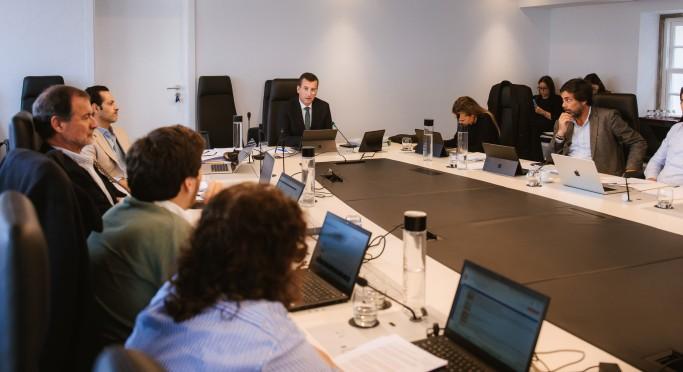
In a significant development for **Barreiro**, a burgeoning municipality within the Lisbon metropolitan area, the Municipal Assembly approved on November 10 the launch of a tender for the construction of up to **202 affordable housing units** in Quinta das Canas. This initiative is set to redefine accessible housing provision through a pioneering surface right model, underscoring a strategic shift in municipal urban development policy.
### Key Takeaways
• ✓ Barreiro initiates tender for 202 affordable housing units using a novel surface right model.
• ✓ Municipality retains land ownership, while private partners finance and develop the project.
• ✓ Maximum rents are capped at 600, 775, and 925 euros for T1, T2, and T3 units, respectively.
• ✓ This model aims to boost affordable housing supply without direct municipal investment, setting a potential national precedent.
The **Quinta das Canas** area in Barreiro is strategically positioned to benefit from this development. Barreiro, located on the south bank of the Tagus River, offers a unique blend of industrial heritage and burgeoning residential appeal, making it an increasingly attractive option for those seeking proximity to Lisbon without the premium price tag. The area's connectivity to the capital via ferry and road networks enhances its strategic value, particularly for professionals and families. This project is expected to significantly contribute to the local community's infrastructure and quality of life, aligning with broader urban regeneration efforts in the region.
The core of this initiative lies in the innovative application of the **direito de superfície**, or surface right, a legal instrument that allows for the temporary separation of land ownership from the ownership of the buildings constructed upon it. Under this model, the Municipality of Barreiro will retain permanent ownership of the valuable Quinta das Canas land. A carefully selected private partner will then be entrusted with the comprehensive responsibility of financing, designing, constructing, and subsequently maintaining the residential buildings for a defined contractual period. This legal framework ensures that the municipality maintains ultimate control over the land's future use and the long-term affordability of the housing units, with the properties reverting to municipal ownership free of charge at the contract's conclusion. This approach mitigates direct financial risk for the public sector while mobilizing essential private capital for critical housing infrastructure.
## Market Implications for Foreign Investors
The Barreiro project carries profound implications for foreign investors monitoring the Portuguese real estate landscape. The introduction of a robust, municipally-backed affordable housing scheme, particularly one that leverages private investment, signals a proactive governmental stance on housing supply. This demonstrates a commitment to addressing the housing deficit, which can lead to greater market stability and predictability in the long run. For investors, this indicates a maturing market where public policy is actively shaping development, creating new avenues for engagement beyond traditional speculative investments. Such initiatives can influence overall market dynamics and investment opportunities [https://www.realestate-lisbon.com/market-insights] in the Lisbon metropolitan area.
The defined maximum rents for the T1, T2, and T3 apartments (**600, 775, and 925 euros**, respectively) establish a clear benchmark for accessible rental pricing. While these units are not directly available for private investment in the traditional sense, their existence will undoubtedly impact the broader rental market by increasing supply and potentially moderating overall rental price growth in Barreiro. Investors focused on the buy-to-let segment should consider how such public-private partnerships might influence their rental yield projections [https://www.realestate-lisbon.com/calculators/rental-yield] and competitive positioning. Furthermore, the success of this model could encourage similar initiatives in other municipalities, expanding the scope of government-influenced housing projects.
The non-alienation of municipal assets through the surface right model is a critical aspect for long-term urban planning and public wealth. For investors, this signifies a stable regulatory environment where land use is carefully managed, reducing the risk of uncontrolled development. It also highlights the potential for future public-private collaborations in other sectors, such as infrastructure or commercial development, where similar models could be applied. Understanding these nuanced legal and political frameworks is essential for any serious investor looking to engage with the Portuguese market, particularly in areas undergoing significant transformation like Barreiro. Consulting with English-speaking real estate lawyers [https://www.realestate-lisbon.com/english-speaking-lawyers] is crucial for navigating these complex legal instruments.
## Barreiro's Strategic Innovation in Housing Policy
Rui Miguel Braga, vice-president of the Barreiro City Council and the driving force behind this initiative, articulated the strategic advantages of the surface right model. He emphasized that this approach allows the private sector to inject capital, undertake construction, generate employment, and realize a return on investment. Concurrently, the municipality safeguards its land ownership, ensures adherence to predefined maximum rental values, and ultimately reacquires the fully developed buildings at no cost upon contract expiration. This innovative framework not only addresses immediate housing needs but also strategically fortifies municipal assets over the long term.
The City Council proudly positions Barreiro as the inaugural municipality in Portugal to adopt this specific surface right model for the promotion of affordable rental housing. This pioneering stance is expected to serve as a significant reference point for other Portuguese municipalities grappling with similar housing challenges. The successful implementation and demonstrable benefits of this project could establish a national blueprint for sustainable urban development and effective public-private collaboration in the housing sector, potentially influencing future national housing policies [https://www.realestate-lisbon.com/blog/policy-analysis] and investment frameworks.
## Lisbon Metropolitan Area Housing Market Context
The Barreiro initiative unfolds against a backdrop of persistent and escalating housing challenges across the entire Lisbon metropolitan area. Rapid urbanization, coupled with a significant imbalance between housing supply and demand, has led to substantial increases in both property prices and rental costs. Municipalities are under increasing pressure to devise and implement effective strategies to expand the housing stock, particularly for middle-income households, young professionals, and expatriates seeking more accessible living options. This project directly contributes to the broader regional objective of creating a more balanced and inclusive housing market, aligning with the goals outlined in various municipal master plans [https://www.realestate-lisbon.com/lisbon/pdm].
Several interconnected factors continue to exert considerable influence on the housing market dynamics within the Lisbon metropolitan area:
• **Sustained Population Growth**: The continuous influx of both domestic and international residents to the Lisbon metropolitan area fuels an ever-increasing demand for diverse housing solutions.
• **Persistent Affordability Gap**: A widening disparity between average household incomes and the escalating costs of property acquisition and rental necessitates innovative and targeted interventions to bridge this gap.
• **Intensified Urban Regeneration Efforts**: Ongoing and planned urban revitalization projects, often encompassing the development of new residential complexes, aim to modernize and expand the urban fabric.
• **Evolving Government Housing Policies**: Both national and local governmental bodies are increasingly prioritizing and implementing policies designed to promote and facilitate the provision of accessible and affordable housing.
These multifaceted factors collectively underscore the critical importance of projects such as the one being undertaken in Barreiro. Such initiatives are not merely about constructing buildings; they are fundamental to shaping future urban landscapes, fostering community resilience, and creating a more equitable real estate ecosystem. Astute investors should closely monitor these developments, as they offer valuable insights into emerging market trends, potential growth areas, and the evolving regulatory environment that will define future off-plan investment opportunities [https://www.realestate-lisbon.com/off-plan].
## Strategic Investment Considerations
For foreign investors, a comprehensive understanding of the legal and political frameworks governing property development in Portugal is paramount. The **direito de superfície** model, while not a direct avenue for individual property acquisition, serves as a compelling illustration of the country's evolving regulatory landscape. It highlights the increasing prevalence and sophistication of public-private partnerships in large-scale residential projects, which could present significant opportunities for institutional investors, development funds, or established construction companies in Barreiro [https://www.realestate-lisbon.com/barreiro/constructors]. Such models offer a structured approach to engaging with government-backed initiatives, potentially providing long-term stability and predictable returns.
Furthermore, investors should meticulously evaluate the long-term socio-economic impact of such affordable housing initiatives on local demographics, infrastructure development, and overall regional attractiveness. An increase in accessible housing can foster community growth, enhance local services, and improve the quality of life, thereby augmenting the broader appeal of municipalities like Barreiro. This, in turn, can positively influence property values and investment viability across various real estate segments. For a thorough understanding of the legalities and implications of such development models, particularly concerning property acquisition and long-term asset management, consulting with specialized real estate lawyers focused on property acquisition [https://www.realestate-lisbon.com/professionals/real-estate-lawyers-property-acquisition] is highly recommended. Additionally, platforms like HomeOS's legal verification tools [https://www.homeos.pt/comprar/proteger/legalidade-do-imovel/] can provide crucial insights into the legality and compliance of property developments, offering an essential layer of due diligence for complex projects.
## Looking Ahead: A Blueprint for Sustainable Growth
The Barreiro affordable housing project, underpinned by its innovative surface right model, represents a forward-thinking and potentially transformative approach to urban development and housing policy in Portugal. Its successful implementation could establish a robust blueprint for similar initiatives across the nation, contributing significantly to the creation of a more sustainable, equitable, and inclusive real estate market. The long-term vision of simultaneously strengthening municipal assets and effectively addressing critical housing needs is a commendable and strategically sound approach that aligns with modern urban planning principles.
As the public tender process progresses and the project moves towards its construction phase, it will undoubtedly be closely monitored by policymakers, developers, and investors alike. Its outcomes will offer invaluable insights into the efficacy of public-private collaborations in the housing sector and could shape future investment landscapes. For comprehensive and expert guidance on navigating the complexities of real estate investment, policy analysis, and emerging opportunities within the Lisbon metropolitan area, prospective investors are encouraged to contact realestate-lisbon.com [https://www.realestate-lisbon.com/].