Lisbon Real Estate: Vanguard CEO Dismisses Housing Bubble, Advocates for Increased Supply
By Pieter Paul Castelein
Published: November 11, 2026
Category: market-trends
### Lisbon Real Estate: Vanguard CEO Dismisses Housing Bubble, Advocates for Increased Supply
In a significant development for **Portugal**'s real estate sector, **Henrique Rodrigues da Silva**, CEO of **Vanguard Properties**, has publicly dismissed concerns about a potential housing bubble. Speaking to Jornal de Negócios, Rodrigues da Silva emphasized that the current market dynamics, particularly the scarcity of available properties, do not align with the conditions typically associated with a bubble. Instead, he argues that an increase in housing supply is the critical factor needed to stabilize prices across the country, especially in high-demand areas like Lisbon.
### Key Takeaways
• ✓ Vanguard CEO rejects notion of a housing bubble in Portugal
• ✓ Market characterized by scarcity of supply, not overvaluation
• ✓ Increased housing supply is crucial for price stabilization
• ✓ International buyers not scapegoats; demand outstrips available product
The debate surrounding a potential housing bubble has intensified amidst Portugal's ongoing housing crisis and the continuous escalation of property prices. However, Rodrigues da Silva's perspective offers a counter-narrative, suggesting that the market's challenges stem primarily from a fundamental imbalance between supply and demand. He points to **Lisbon** as a prime example, where a significant lack of available properties is evident across all market segments, driving prices upward.
Drawing a comparison to the 2010 crisis, the CEO highlighted a key difference: the previous downturn led to a severe market retraction that limited the availability of properties at more accessible prices for the national market. The current situation, he asserts, is markedly different, characterized by robust demand far outstripping the limited supply. This dynamic, he explains, is a natural function of market laws, inevitably leading to price increases.
## Market Implications for Investors
For investors monitoring the Portuguese real estate landscape, **Vanguard Properties**' CEO's insights are particularly pertinent. His rejection of a housing bubble scenario, grounded in supply-side economics, suggests a market driven by genuine demand rather than speculative overvaluation. This perspective can inform investment strategies, emphasizing the importance of understanding local market dynamics and the potential for long-term stability once supply issues are addressed. Investors can find more detailed analysis on these trends in our Market Insights [https://www.realestate-lisbon.com/market-insights] section.
The emphasis on increasing supply as a solution underscores potential opportunities in development and construction. For those looking to enter the market, understanding the areas with the most significant supply deficits, such as specific neighborhoods in **Lisbon**, could guide strategic acquisitions. This also highlights the need for robust investment risk assessment [https://www.realestate-lisbon.com/buying-guide/investment-risks], even in a demand-driven market.
Furthermore, the CEO's comments provide a crucial lens through which to view the broader economic health of Portugal. A market driven by genuine scarcity rather than speculative excess implies a more sustainable growth trajectory, which is a positive signal for long-term capital appreciation. This aligns with insights often discussed in our Economic Impact Analysis [https://www.realestate-lisbon.com/blog/economic-impact-analysis] blog posts.
## Vanguard Properties' Stance on International Buyers
Rodrigues da Silva also addressed the common narrative that attributes market deregulation and price hikes to international buyers. He firmly rejects this notion, stating that foreign purchasers are often unfairly made a "scapegoat." The core issue, he reiterates, is simply the insufficient supply of properties to meet existing demand, regardless of buyer nationality. This perspective is crucial for understanding the broader political and economic context [https://www.realestate-lisbon.com/news/politics] of the market.
This stance from a prominent developer like **Vanguard Properties** provides a more nuanced view, suggesting that policy efforts should focus on facilitating new construction and increasing housing stock rather than solely targeting demand-side measures. This could influence future regulatory discussions and investment climates, particularly for international clients [https://www.realestate-lisbon.com/professionals/real-estate-agents-international-clients]. Such discussions are often covered in our Policy Analysis [https://www.realestate-lisbon.com/blog/policy-analysis] section.
## Lisbon Housing Market Context
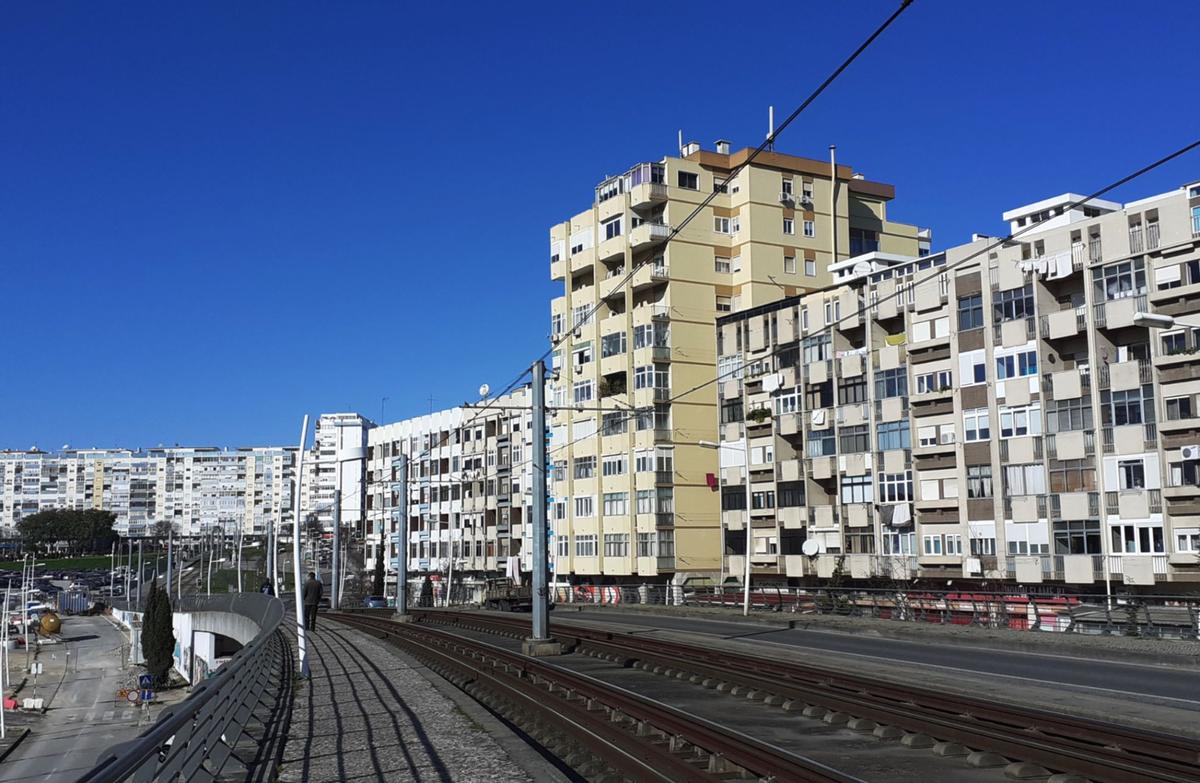
The current housing market in **Lisbon**, as highlighted by Rodrigues da Silva, is characterized by a significant imbalance. Despite ongoing development, the pace of new construction has struggled to keep up with the influx of residents and investors, leading to persistent supply shortages across various segments, from affordable housing to luxury properties. This situation is a key driver of the city's escalating property values, impacting both local residents and expat and investor communities [https://www.realestate-lisbon.com/news/expat-investor-focus].
Several factors continue to influence the market:
• **Urban Regeneration**: Ongoing projects in historic areas like Alfama [https://www.realestate-lisbon.com/lisbon/alfama] and Baixa [https://www.realestate-lisbon.com/lisbon/baixa] attract investment but often involve complex, time-consuming processes, as detailed in our Geographic Deep Dives [https://www.realestate-lisbon.com/blog/geographic-and-sector-deep-dives].
• **Foreign Investment**: Continued interest from international buyers, drawn by Portugal's lifestyle, tax regimes, and investment opportunities, contributes to demand, often facilitated by Golden Visa property agents [https://www.realestate-lisbon.com/professionals/real-estate-agents-golden-visa-properties].
• **Limited Land Availability**: Geographic constraints in Lisbon limit the scope for large-scale new developments, pushing prices up in existing areas, a challenge for construction companies [https://www.realestate-lisbon.com/professionals/constructors].
• **Construction Costs**: Rising material and labor costs impact the feasibility and pricing of new projects, further constraining supply, a factor closely monitored by civil engineers [https://www.realestate-lisbon.com/professionals/civil-engineers].
These interconnected factors create a complex environment where demand consistently outstrips the available housing stock, making price stabilization a significant challenge. Understanding these dynamics is essential for any investor considering the Lisbon off-plan market [https://www.realestate-lisbon.com/off-plan/lisbon], and for assessing rental yield potential [https://www.realestate-lisbon.com/calculators/rental-yield].
## Investment Considerations
For foreign investors, **Vanguard Properties**' assessment provides a clear signal: the Portuguese market, particularly in Lisbon, is fundamentally strong due to high demand and limited supply. This suggests that well-located, quality properties are likely to retain their value and offer solid long-term prospects. However, the challenge lies in identifying and securing suitable assets in a competitive environment. Consulting with English-speaking real estate agents [https://www.realestate-lisbon.com/english-speaking-agents] specializing in investment properties is highly recommended, as is cross-referencing asking prices against independent fair price indicators [https://www.homeos.pt/comprar/preco/preco-justo/] before entering negotiations.
Prospective buyers should focus on areas with strong rental yields and potential for capital appreciation, while also considering the implications of new urban planning regulations, such as those found in the Lisbon PDM [https://www.realestate-lisbon.com/lisboa/pdm]. Understanding the true cost of acquisition, including taxes like IMT, is also vital, and tools like the IMT Tax Calculator [https://www.realestate-lisbon.com/calculators/imt] can be invaluable. Engaging with English-speaking real estate lawyers [https://www.realestate-lisbon.com/english-speaking-lawyers] for due diligence is a critical step in the acquisition process.
Furthermore, the market's current state underscores the importance of strategic asset selection. Properties in prime Lisbon neighborhoods like Príncipe Real [https://www.realestate-lisbon.com/lisbon/principe-real] or Chiado [https://www.realestate-lisbon.com/lisbon/chiado], or those offering modern amenities and sustainable features, may present more resilient investment opportunities. Investors should also consider the long-term implications of sustainability in property development [https://www.realestate-lisbon.com/buying-guide/sustainability].
## Looking Ahead
The outlook for the Portuguese real estate market, as articulated by **Vanguard Properties**, remains positive, albeit with a clear need for increased supply to achieve greater price stability. The underlying demand, both national and international, continues to be a powerful driver, ensuring the market's resilience. Future developments in urban planning and construction policies will be key to addressing the supply deficit, a topic frequently explored in our Trend Analysis and Future Forecasting [https://www.realestate-lisbon.com/blog/trend-analysis-future-forecasting] blog.
For investors and expats, staying informed about market trends and engaging with experienced professionals will be crucial for navigating this dynamic landscape. The ongoing dialogue about supply and demand, coupled with a robust market, presents both challenges and significant opportunities for those looking to invest in Lisbon's vibrant real estate sector. For expert guidance on property acquisition and investment strategies in Lisbon, contact realestate-lisbon.com [https://www.realestate-lisbon.com/].