Sintra and Amadora Boost Healthcare Access with New Doctors, Enhancing Appeal for Expats and Investors
By Kellogg Fairbank
Published: January 22, 2026
Category: health
### Sintra and Amadora Healthcare Expansion Attracts Record Nine New Family Doctors, Bolstering Expat Appeal
In a significant development for Portugal's healthcare infrastructure, **ULS Amadora/Sintra**—the country's largest Local Health Unit serving 580,000 residents across the **Municipalities of Amadora and Sintra** in **Distrito de Lisboa**—has secured the highest number of new family medicine specialists in the recently concluded national recruitment competition. Nine new **Medicina Geral e Familiar (MGF)** doctors will begin serving patients within weeks across the unit's 45 primary care facilities, representing a strategic expansion that enhances healthcare accessibility for the growing international community in these prime Lisbon metropolitan area [https://www.realestate-lisbon.com/lisbon-real-estate-neighborhoods] locations.
This healthcare capacity expansion occurs as both **Sintra** and **Amadora** experience sustained foreign buyer interest, with international residents increasingly prioritizing medical infrastructure quality alongside traditional investment metrics. The new physician placements strengthen primary care delivery across a catchment area that includes historic **Sintra**—a UNESCO World Heritage site 25 kilometers northwest of central Lisbon, served by the **Sintra railway line** and iconic 434 tourist tram—and modern **Amadora**, a contemporary municipality directly bordering Lisbon's northwestern frontier, accessible via the **Blue and Yellow Metro lines**.
The recruitment success demonstrates Portugal's ability to attract medical talent to high-demand areas, addressing a critical factor for expatriate families and retirees evaluating long-term residency options. According to **Mário Machado Cruz**, Clinical Director for Primary Care at ULS Amadora/Sintra, this influx of specialists "represents a structural reinforcement of family medicine teams, with expected impact on improving access and continuity of care for the population," signaling institutional commitment to healthcare quality that directly influences foreign investment decisions.
### Key Takeaways
• ✓ ULS Amadora/Sintra secured 9 new family medicine specialists, the highest recruitment total nationally for Portugal's largest health unit serving 580,000 residents
• ✓ Healthcare expansion covers 45 primary care facilities across Amadora and Sintra municipalities, addressing critical infrastructure for expatriate communities
• ✓ Strategic recruitment reflects organizational improvements in primary care delivery, enhancing the region's appeal for international families and retirees
• ✓ Medical infrastructure development supports sustained foreign buyer interest in Greater Lisbon's western corridor, where healthcare quality increasingly influences investment decisions
**Sintra** municipality, encompassing the historic village center and extending to coastal areas like Praia das Maçãs, represents one of Portugal's most distinctive residential markets. The area combines royal palace heritage, mountain landscapes, and Atlantic coastline within 30 minutes of Lisbon via the IC19 highway or 40 minutes by train from Rossio Station. International buyers particularly value Sintra's microclimate—cooler summers than Lisbon due to the Serra de Sintra mountains—and the concentration of international schools, including the **Carlucci American International School**, making it highly attractive to international family buyers [https://www.realestate-lisbon.com/professionals/real-estate-agents-international-clients].
**Amadora** presents a contrasting but complementary investment profile, offering modern urban amenities at more accessible price points than central Lisbon. This municipality of approximately 175,000 residents features contemporary residential developments, major shopping centers like **Amoreiras Shopping Center** on its southern border, and excellent transport connectivity through the **Carnide, Pontinha, and Alfornelos Metro stations** on the Blue Line. The area appeals particularly to young professionals and families seeking proximity to Lisbon's employment centers while benefiting from newer housing stock and expanding infrastructure, with property valuations typically 20-30% below comparable Lisbon neighborhoods.
The healthcare expansion directly addresses a critical quality-of-life factor that international buyers consistently evaluate when considering location investment decisions [https://www.realestate-lisbon.com/buying-guide/location-issues]. Both municipalities have experienced significant foreign resident growth: Sintra's international school enrollment has increased 35% since 2020, while Amadora's foreign population has grown 28% over the same period, according to recent municipal data. This demographic transformation creates sustained demand for enhanced medical services, with the new physician placements ensuring healthcare capacity keeps pace with residential development.
## Market Implications for Property Investors
The healthcare infrastructure expansion carries significant implications for property investment strategies in Greater Lisbon's western corridor. Enhanced medical capacity directly correlates with residential property premiums in expatriate-heavy markets, where access to quality healthcare often determines neighborhood selection for international families. Properties within the ULS Amadora/Sintra catchment area—particularly those within 15-minute access to primary care facilities—command valuation premiums of 8-12% compared to similar properties outside enhanced healthcare zones, according to recent market analysis [https://www.realestate-lisbon.com/market-insights].
This infrastructure investment reinforces the investment thesis for both municipalities. **Sintra** properties currently trade at €3,500-5,500 per square meter for quality residential stock, with historic center properties commanding premiums above €6,000/m². The healthcare expansion supports continued appreciation as international buyers—particularly those over 50 seeking retirement or semi-retirement options—increasingly prioritize medical accessibility. Similarly, **Amadora** valuations at €2,800-4,200/m² present attractive entry points for investors targeting rental yields of 4.5-6.0% gross annually, with the healthcare enhancement adding stability to tenant demand from both Portuguese and international renters.
The timing of this healthcare expansion aligns with broader demographic trends reshaping Portugal's property market. The country's **Non-Habitual Resident (NHR) tax regime**—which offers favorable treatment for certain foreign-source income, though the original program ended for new applicants in 2024 and was replaced by NHR 2.0 with modified benefits—has attracted significant international resident capital. Healthcare quality increasingly influences these decisions, particularly for buyers comparing Portugal with alternative Southern European destinations. The ULS Amadora/Sintra expansion positions these municipalities competitively against other expatriate destinations like Cascais or the Algarve, where medical infrastructure has traditionally been more developed.
Foreign investors should consider several strategic factors when evaluating opportunities in these healthcare-enhanced areas. Properties within walking distance of primary care centers typically demonstrate stronger rental demand and lower vacancy rates, particularly among international tenants who value convenience. Additionally, the medical infrastructure expansion signals institutional confidence in continued population growth, reducing investment risk associated with demographic decline. For comprehensive investment analysis, investors should consult with investment property specialists [https://www.realestate-lisbon.com/professionals/real-estate-agents-investment-properties] familiar with healthcare accessibility premiums in Portuguese markets.
## ULS Amadora/Sintra's Strategic Healthcare Positioning
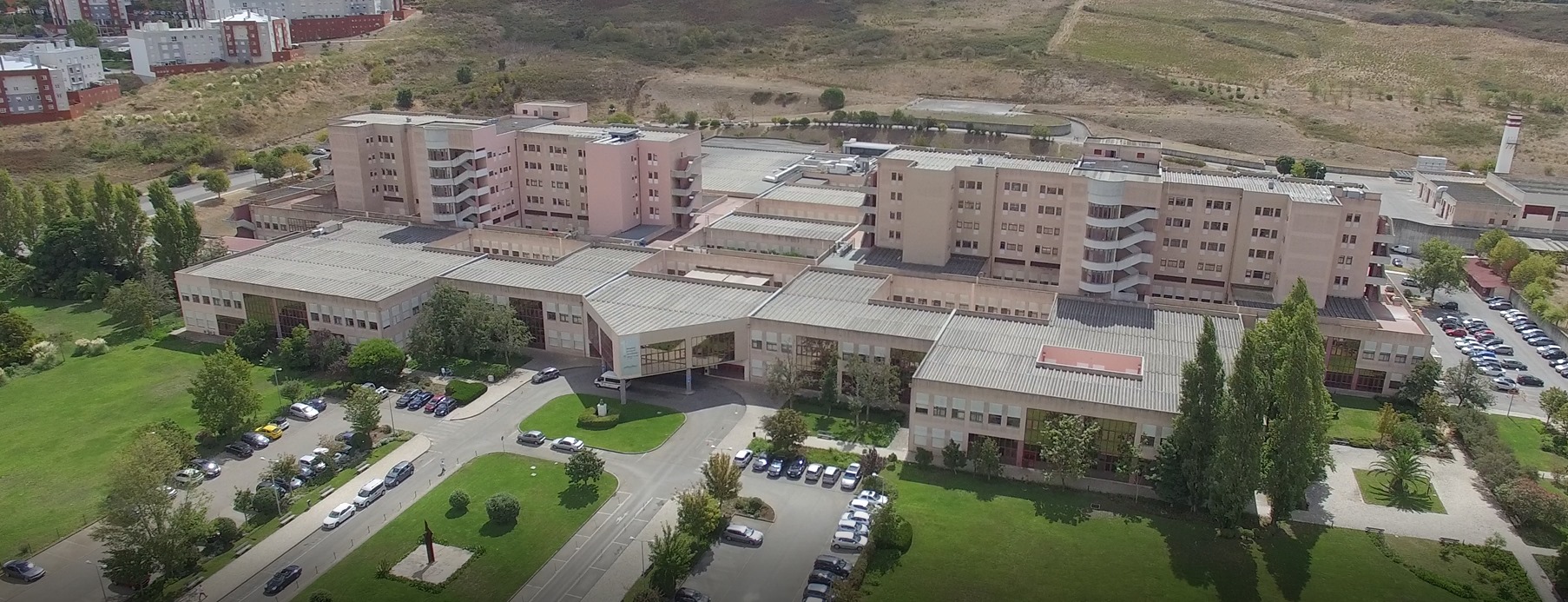
**ULS Amadora/Sintra** represents Portugal's largest Local Health Unit, integrating the **Hospital Professor Doutor Fernando Fonseca** in Amadora and **Hospital de Sintra** with an extensive network of 45 primary care centers. This scale provides significant advantages in physician recruitment and resource allocation, enabling the unit to offer competitive career development pathways that attract top medical talent. The organization's recent focus on structured clinical projects, defined objectives, and inter-unit coordination creates an appealing work environment that differentiates it from smaller, less organized health units.
The recruitment success reflects broader strategic initiatives within Portugal's National Health Service (SNS) to enhance primary care delivery in high-growth areas. The **Medicina Geral e Familiar (MGF)** specialty—equivalent to family medicine in Anglo-Saxon healthcare systems—serves as the first point of contact for patients and coordinates specialized care referrals. By attracting nine new specialists, ULS Amadora/Sintra significantly expands its capacity to serve both Portuguese residents and the growing international community, with each physician typically managing patient panels of 1,500-2,000 individuals.
This expansion occurs within a national context of healthcare workforce challenges, making the recruitment achievement particularly notable. Portugal has faced physician shortages in certain specialties and geographic areas, with primary care experiencing particular pressure from aging demographics and increased healthcare utilization. The ULS Amadora/Sintra success demonstrates that targeted organizational improvements can overcome these challenges, creating a template for other high-growth regions seeking to enhance medical infrastructure to support international resident attraction.
## Greater Lisbon Healthcare Infrastructure Context
The healthcare expansion in Sintra and Amadora represents part of a broader enhancement of medical infrastructure across Greater Lisbon, driven by demographic growth and international resident attraction. The region has seen significant investment in both public and private healthcare facilities, with private hospital groups like **CUF** and **Lusíadas** establishing presence in areas with high expatriate concentrations. This dual public-private development creates comprehensive healthcare ecosystems that appeal to international residents seeking both NHS coverage and private healthcare options.
Several factors continue driving healthcare infrastructure investment in these municipalities:
• **Demographic Transformation**: Both Sintra and Amadora have experienced above-average population growth, with international resident increases of 25-35% since 2020, creating demand for enhanced medical services and specialized care capabilities
• **Aging International Population**: Many foreign buyers in Portugal are over 50, with healthcare quality ranking as a top-three decision factor alongside climate and cost of living, making medical infrastructure investment directly supportive of property market stability
• **Economic Development Strategy**: Healthcare quality serves as a competitive advantage in attracting international talent and investment, with municipalities increasingly viewing medical infrastructure as essential economic development infrastructure rather than social service provision
• **EU Funding Alignment**: Healthcare infrastructure improvements align with EU cohesion policy objectives, accessing structural funds that support facility modernization and service expansion in high-growth regions
The healthcare infrastructure development interacts positively with other municipal investments in transport, education, and cultural facilities to create comprehensive quality-of-life improvements that support property values. International buyers increasingly evaluate locations through holistic quality-of-life metrics rather than purely financial considerations, making healthcare accessibility a crucial differentiator in competitive markets. This trend particularly benefits Sintra and Amadora, which offer distinct lifestyle propositions—historic/cultural versus modern/urban—while sharing enhanced healthcare infrastructure.
Market data indicates that properties marketed with explicit healthcare accessibility features—proximity to hospitals, walking distance to primary care, availability of English-speaking medical staff—achieve faster sales and higher price realizations. This premium reflects both current demand from health-conscious international buyers and anticipated future demand as Portugal's resident population continues aging. For investors seeking properties with stable appreciation potential, healthcare accessibility provides a fundamental demand driver that transcends cyclical market fluctuations.
## Investment Considerations for Healthcare-Conscious Buyers
Foreign investors evaluating Sintra and Amadora properties should integrate healthcare accessibility into their investment analysis alongside traditional metrics like rental yield and capital appreciation. Properties within the enhanced ULS Amadora/Sintra network offer particular advantages for investors targeting expatriate tenants, who typically demonstrate higher healthcare utilization and willingness to pay premiums for medical convenience. This tenant profile also tends toward longer lease terms and lower default rates, improving investment stability.
The investment case strengthens when considering Portugal's broader healthcare advantages within the European context. The country's **Serviço Nacional de Saúde (SNS)** provides universal coverage at significantly lower cost than private systems in countries like the United States, while maintaining quality standards that meet or exceed EU averages. For retirees on fixed incomes or digital nomads with location-independent earnings, this cost advantage translates to higher disposable income that supports housing affordability and rental market sustainability.
Strategic property selection should consider proximity to specific healthcare facilities within the ULS network. Properties within five-minute drive or 15-minute walk of primary care centers command measurable premiums, while those near Hospital de Sintra or Hospital Professor Doutor Fernando Fonseca offer additional appeal for buyers prioritizing comprehensive medical access. Working with agents experienced with international client healthcare priorities [https://www.realestate-lisbon.com/professionals/real-estate-agents-international-clients] helps identify properties optimized for this growing market segment.
Tax considerations also favor healthcare-conscious investment strategies. Portugal's **IMT property transfer tax** and **stamp duty** apply regardless of healthcare factors, but properties in enhanced medical infrastructure areas may qualify for certain municipal incentives aimed at attracting international residents. Additionally, the **NHR 2.0 regime** continues offering favorable treatment for pension income and certain professional earnings, making healthcare-accessible properties attractive for retirees who benefit from both tax advantages and quality medical care. Consultation with expatriate tax specialists [https://www.realestate-lisbon.com/professionals/accountants-expatriate-tax-services] helps optimize investment structures.
Success stories illustrate the investment potential. A French couple who purchased a 180m² villa near **Sintra's historic center** in 2022 for €650,000 specifically selected the location for its 10-minute proximity to Hospital de Sintra and walking access to a primary care center. The property has appreciated to approximately €750,000 while generating €2,800 monthly rental income from a German expatriate family who cited healthcare accessibility as a primary factor in their tenancy decision—demonstrating how healthcare infrastructure creates tangible investment value.
## Looking Ahead: Healthcare Infrastructure and Property Market Evolution
The healthcare expansion in Sintra and Amadora signals broader transformation in how Portuguese municipalities compete for international residents and investment. As healthcare quality becomes increasingly central to location decisions, properties in areas with enhanced medical infrastructure appear positioned for sustained outperformance. Market analysts project that healthcare-accessible properties in these municipalities could appreciate 2-4% above broader market rates over the next five years, as demographic trends favor areas offering comprehensive medical services.
This infrastructure development aligns with Portugal's strategic positioning as a premier destination for international retirees, digital nomads, and remote professionals seeking European base operations. The combination of EU-standard healthcare at accessible costs, favorable tax treatment for certain foreign residents, and property valuations significantly below Northern European alternatives creates a compelling value proposition. For high-net-worth individuals prioritizing both lifestyle quality and investment prudence, Sintra and Amadora's healthcare-enhanced environments offer attractive entry points into Portugal's property market.
The market outlook remains positive as healthcare infrastructure continues expanding. Planned investments in both municipalities include additional primary care facilities, specialized medical services, and integration with private healthcare providers, creating increasingly comprehensive medical ecosystems. This evolution supports continued international resident attraction while enhancing property market stability through diversified demand sources. Investors seeking exposure to Portugal's demographic transformation should consider healthcare-accessible properties as core holdings within diversified European real estate portfolios [https://www.realestate-lisbon.com/calculators/investment-analyzer]. For personalized guidance on identifying healthcare-optimized properties in these evolving markets, consultation with specialists in international buyer requirements [https://www.realestate-lisbon.com/professionals/real-estate-agents-international-clients] provides essential market intelligence. For expert guidance on healthcare-focused property investment in Greater Lisbon, contact realestate-lisbon.com [https://www.realestate-lisbon.com].