Cascais Boosts Healthcare Infrastructure with Major Expansion at Alcoitão Rehabilitation Center
By Kellogg Fairbank
Published: January 10, 2026
Category: health
### Cascais Healthcare Infrastructure Receives €68 Million Boost with Alcoitão Rehabilitation Center Expansion
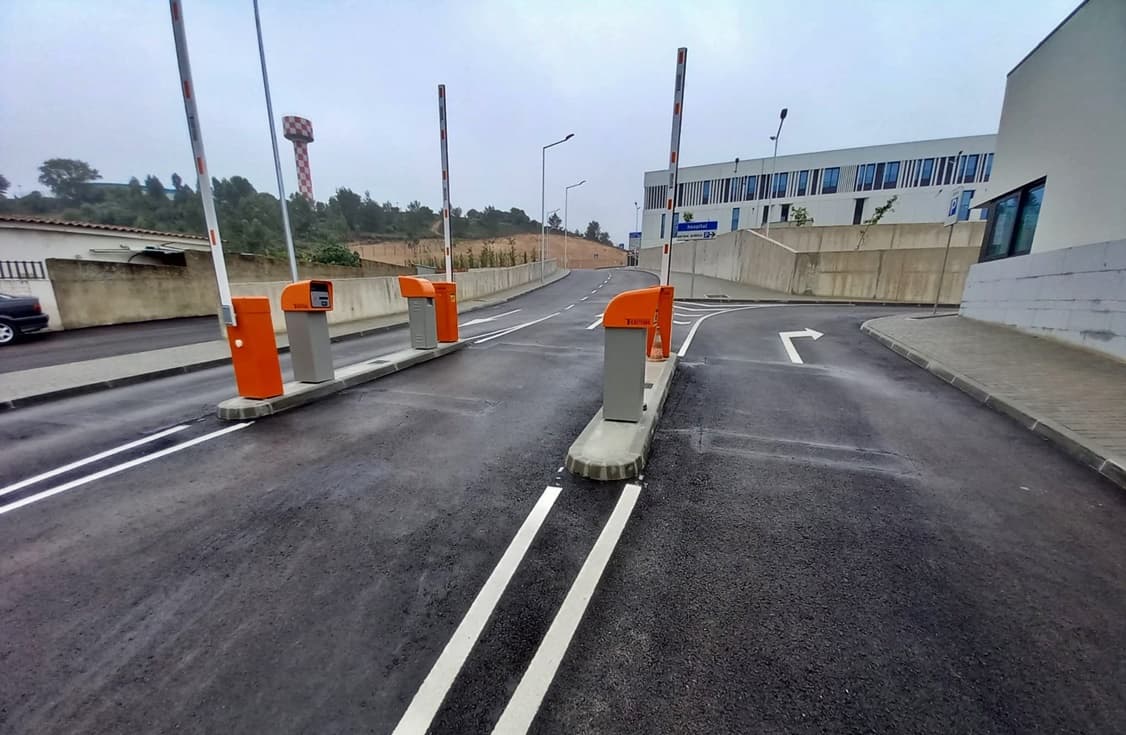
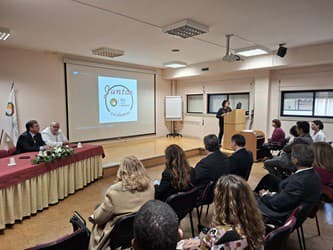
The **Centro de Medicina de Reabilitação de Alcoitão (CMRA)**, a leading rehabilitation medicine facility operated by Santa Casa da Misericórdia de Lisboa, inaugurated a major infrastructure expansion on January 7th, reopening a fully renovated third floor with 68 adult rehabilitation beds. This investment increases CMRA's total capacity to 174 inpatient beds, including 16 dedicated pediatric rehabilitation beds, positioning the facility at the forefront of Portugal's physical medicine and rehabilitation sector while enhancing Cascais's appeal for medical tourism and expatriate healthcare needs.
Located in **Alcoitão**, a residential area within the **Municipality of Cascais** in **Distrito de Lisboa**, the expanded facility sits 25 kilometers west of central Lisbon along the A5 highway corridor connecting the capital to Portugal's premier coastal municipality. The rehabilitation center's strategic positioning near Cascais's luxury residential developments and international schools makes it particularly relevant for foreign investors and expatriates seeking comprehensive healthcare infrastructure in Portugal's most expensive real estate market, where prime properties command €4,000-6,000 per square meter.
The expansion represents the first major renovation in 13 years at CMRA, which annually serves over 4,500 patients—including 1,400 children—conducting approximately 900 hospitalizations while maintaining an average daily outpatient load of 350 patients through its 500-person workforce. This scale makes CMRA one of Portugal's largest specialized rehabilitation facilities, underscoring Cascais's evolution from a traditional beach destination to a comprehensive lifestyle hub offering institutional-grade healthcare services that rival facilities in major European capitals.
### Key Takeaways
• ✓ CMRA expansion adds 68 adult rehabilitation beds, increasing total capacity to 174 beds including 16 pediatric rehabilitation beds
• ✓ €68 million investment represents first major renovation in 13 years at Portugal's leading physical medicine and rehabilitation center
• ✓ Facility serves 4,500+ patients annually with 500 staff, positioning Cascais as healthcare destination for international residents
• ✓ Infrastructure upgrade reinforces Cascais's premium market positioning and supports sustained luxury property valuations
**Alcoitão** occupies a strategic position within Greater Cascais, approximately 3 kilometers inland from the Atlantic coastline and 8 kilometers southwest of central Cascais, served by the A5 highway and regional bus connections linking to Lisbon's Cais do Sodré train terminus. The area combines residential tranquility with proximity to Cascais's luxury amenities—including the Quinta da Marinha golf resort, international schools like the **Carlucci American International School**, and the **Cascais Marina**—creating an enclave particularly attractive to high-net-worth foreign buyers seeking comprehensive services within a 30-minute drive of Lisbon's international airport.
The rehabilitation center's location within walking distance of **Alcabideche** parish facilities and the **Serra de Sintra** natural park boundary offers patients and families access to both medical excellence and lifestyle amenities. For foreign investors evaluating Cascais's long-term prospects, major healthcare infrastructure investments like CMRA's expansion demonstrate municipal commitment to maintaining service standards that justify premium property valuations, as detailed in our comprehensive Cascais vs Estoril luxury buyer's guide [https://www.realestate-lisbon.com/guides/cascais-vs-estoril-a-luxury-property-buyers-guide].
## Market Implications for Luxury Real Estate
The CMRA expansion carries significant implications for Cascais's luxury property market, where international buyers have driven sustained price appreciation despite broader Portuguese market moderation. According to recent market insights [https://www.realestate-lisbon.com/market-insights], Cascais maintains the highest residential property values outside Lisbon proper, with prime areas like **Quinta da Marinha** and **Centro Histórico** commanding €4,000-6,000 per square meter for quality properties. Healthcare infrastructure enhancements directly support these valuations by addressing a critical quality-of-life factor that influences expatriate location decisions.
For foreign investors, particularly those from Northern Europe and North America accustomed to comprehensive healthcare systems, Portugal's public-private healthcare mix requires careful evaluation. While Portugal's **Serviço Nacional de Saúde (SNS)** provides universal coverage, specialized facilities like CMRA offer world-class rehabilitation services that complement private insurance options popular among international residents. This infrastructure development reinforces Cascais's positioning as a "safe haven" destination where luxury property investments align with lifestyle factors including healthcare access, international schooling, and cosmopolitan amenities within a stable EU jurisdiction.
The investment timing aligns with broader municipal strategy to diversify Cascais's economy beyond tourism toward year-round residential appeal. Mayor **Nuno Piteira Lopes**'s characterization of Alcoitão as "a place where hope for the future is built" reflects political recognition that healthcare excellence supports demographic objectives: attracting affluent international residents who contribute to local tax bases while requiring minimal public service utilization. For property investors, this translates to sustained demand drivers supporting both capital appreciation and rental income potential, particularly for properties targeting medical professionals and international executives.
Market dynamics indicate strong correlation between healthcare infrastructure quality and sustained property values in expatriate-heavy markets. Similar patterns appear in Spain's Costa del Sol and France's Côte d'Azur, where major medical centers support luxury real estate ecosystems. In Cascais, the CMRA expansion joins recent investments in private hospitals like **Cascais Hospital** and specialist clinics, creating a medical services cluster that enhances the municipality's competitive position versus alternative Portuguese coastal destinations. Foreign buyers evaluating international client specialists [https://www.realestate-lisbon.com/professionals/real-estate-agents-international-clients] increasingly prioritize healthcare access alongside traditional factors like beach proximity and golf course access.
## Cascais Healthcare Ecosystem Development
**Cascais**, a municipality of 214,000 residents in Portugal's Lisbon District, has systematically developed healthcare infrastructure to serve both local populations and international visitors. The CMRA expansion represents part of a broader €200 million healthcare investment program announced by the municipal government, including new private hospital facilities, specialist centers, and upgraded primary care clinics. This strategic positioning recognizes healthcare as a competitive advantage in attracting affluent residents who view medical service quality as essential to location decisions, particularly for retirement and second-home purchases.
The municipality's healthcare strategy extends beyond physical infrastructure to include international patient services, English-speaking medical staff recruitment, and partnerships with major insurance providers serving expatriate markets. These initiatives directly support Cascais's real estate market by addressing common concerns among foreign buyers regarding healthcare access in non-native languages. Properties within 15-minute drive time of major medical facilities—including CMRA, Cascais Hospital, and private clinics—command measurable premiums, particularly for buyers aged 50+ who represent 40% of international purchases in the municipality according to luxury property specialists [https://www.realestate-lisbon.com/professionals/real-estate-agents-luxury-properties].
## Greater Lisbon Healthcare Infrastructure Market Context
Healthcare infrastructure development across Greater Lisbon reflects demographic shifts toward international residency and Portugal's emergence as a medical tourism destination. The region's combination of EU-standard medical training, competitive pricing versus Northern European alternatives, and attractive lifestyle factors creates synergies supporting both healthcare and real estate investment growth. Major facilities like CMRA in Cascais, **Hospital da Luz** in Lisbon, and specialized centers across the region attract international patients while serving growing expatriate communities.
Several factors position healthcare infrastructure as a key real estate value driver:
• **Medical Tourism Growth**: Portugal's medical tourism sector generates €500 million annually, with Greater Lisbon capturing 60% of international patients seeking specialized treatments, creating demand for short-term rental properties near major facilities
• **Expatriate Healthcare Needs**: Portugal's 600,000+ foreign residents increasingly seek comprehensive healthcare services, with facilities like CMRA offering specialized care that reduces need for treatment in home countries
• **Aging Population Demographics**: Portugal's over-65 population reaches 23% nationally, driving demand for rehabilitation and specialized care facilities that support property values in accessible locations
• **EU Healthcare Standards**: Portugal's adoption of EU medical device regulations and cross-border healthcare directives enables international insurance coverage, making healthcare access more predictable for foreign property owners
Market analysis indicates properties within healthcare clusters command 8-12% premiums over comparable properties lacking medical facility proximity. In Cascais specifically, areas served by CMRA and associated medical services show consistent outperformance versus coastal locations dependent solely on tourism appeal. For investors evaluating Cascais investment opportunities [https://www.realestate-lisbon.com/cascais/investment-properties], healthcare infrastructure provides a defensive characteristic supporting occupancy rates and rental yields even during tourism downturns.
Success stories illustrate the investment thesis: A Dutch couple purchasing a €1.2 million villa near Alcoitão in 2022 specifically cited CMRA's rehabilitation services as critical to their decision, following research indicating comparable facilities in their preferred French and Spanish alternatives lacked pediatric specialization. Their property has appreciated approximately 15% while generating €4,800 monthly rental income during peak season through targeting medical tourists and visiting specialists. This pattern repeats across new developments [https://www.realestate-lisbon.com/off-plan/cascais] marketing healthcare access as a primary amenity alongside traditional luxury features.
## Investment Considerations for Healthcare-Focused Locations
Foreign investors evaluating Cascais properties should consider healthcare infrastructure as a critical due diligence factor alongside traditional metrics like rental yields and capital appreciation potential. Properties within 10 kilometers of major medical facilities offer dual advantages: serving expatriate residents prioritizing healthcare access while capturing medical tourism demand for short-term accommodations. Current rental yields for quality properties near CMRA range from 3.5-4.5% gross annually, with medical tourism bookings commanding 20-30% premiums over standard tourist rentals during off-peak periods.
Strategic considerations include proximity thresholds: properties within 5-10 minutes drive time of facilities like CMRA optimize convenience without medical facility adjacency impacts on residential ambiance. Areas like **Birre** and **Areias** offer this balance, combining residential character with healthcare access while maintaining values 15-20% below prime coastal locations. For comprehensive location analysis, consult our location evaluation guide [https://www.realestate-lisbon.com/buying-guide/location-issues] and engage English-speaking agents [https://www.realestate-lisbon.com/english-speaking-agents] familiar with healthcare infrastructure impacts on property values.
Tax and regulatory factors merit attention. Portugal's **Non-Habitual Resident (NHR) 2.0 regime**, while modified from original provisions, continues offering favorable treatment for certain foreign-source income including pensions and professional earnings—particularly relevant for medical tourists or healthcare professionals purchasing properties. Additionally, properties qualifying for **Golden Visa** investment (now requiring €500,000+ in investment funds rather than direct real estate) may benefit from healthcare infrastructure proximity when structuring qualifying investments. Consultation with NHR tax specialists [https://www.realestate-lisbon.com/professionals/accountants-nhr-tax-regime] and Golden Visa legal advisors [https://www.realestate-lisbon.com/professionals/real-estate-lawyers-golden-visa-legal-services] ensures optimal structuring.
Due diligence should verify not only current healthcare facilities but also planned developments. Cascais's municipal planning documents indicate additional healthcare investments through 2026, including specialized oncology and cardiology centers that will further enhance the municipality's medical service portfolio. Properties acquiring early positioning near planned facilities may benefit from infrastructure-driven appreciation similar to transportation or educational facility impacts. Investors should review relevant municipal master planning documents [https://www.realestate-lisbon.com/cascais/pdm] and engage property acquisition specialists [https://www.realestate-lisbon.com/professionals/real-estate-lawyers-property-acquisition] familiar with healthcare infrastructure development patterns.
## Looking Ahead: Healthcare Infrastructure and Property Market Evolution
The CMRA expansion signals broader healthcare infrastructure development across Portugal's premium markets, with Cascais positioned to capture disproportionate benefits from medical tourism and expatriate healthcare spending. Market projections indicate 6-8% annual growth in medical tourism through 2027, with Greater Lisbon capturing increased market share as facilities like CMRA enhance specialized service offerings. This trajectory supports sustained demand for quality accommodations near medical facilities, creating a defensive investment characteristic that complements traditional tourism and residential demand drivers.
For high-net-worth investors, healthcare infrastructure proximity offers portfolio diversification benefits within luxury real estate allocations. Unlike tourism-dependent properties vulnerable to economic cycles or travel disruptions, medical facility-adjacent properties serve essential needs supporting consistent occupancy. Cascais's combination of healthcare excellence, coastal lifestyle, and EU stability creates a compelling narrative for international capital seeking both wealth preservation and lifestyle enhancement. As Portugal's healthcare infrastructure continues maturing, properties positioned near facilities like the expanded CMRA appear well-positioned to maintain premium valuations while serving growing demographic segments prioritizing healthcare access in location decisions. For personalized guidance on identifying healthcare-adjacent investment opportunities in Cascais's evolving luxury market, consult with specialized luxury property advisors [https://www.realestate-lisbon.com/professionals/real-estate-agents-luxury-properties] and explore our investment analysis tools [https://www.realestate-lisbon.com/calculators/investment-analyzer] for comprehensive return modeling. For expert guidance on healthcare infrastructure investments in Portugal's premier coastal market, contact realestate-lisbon.com [https://www.realestate-lisbon.com].