Why Most Lisbon Agents Work for Sellers ?
By Mihail Talev
Published: January 18, 2026
Category: Professional Insights
**
# Why Most Lisbon Agents Work for Sellers ?
The structural conflict of interest in Portuguese real estate, and how the new "Digital Fiduciary" model is closing the fiduciary void for international investors.
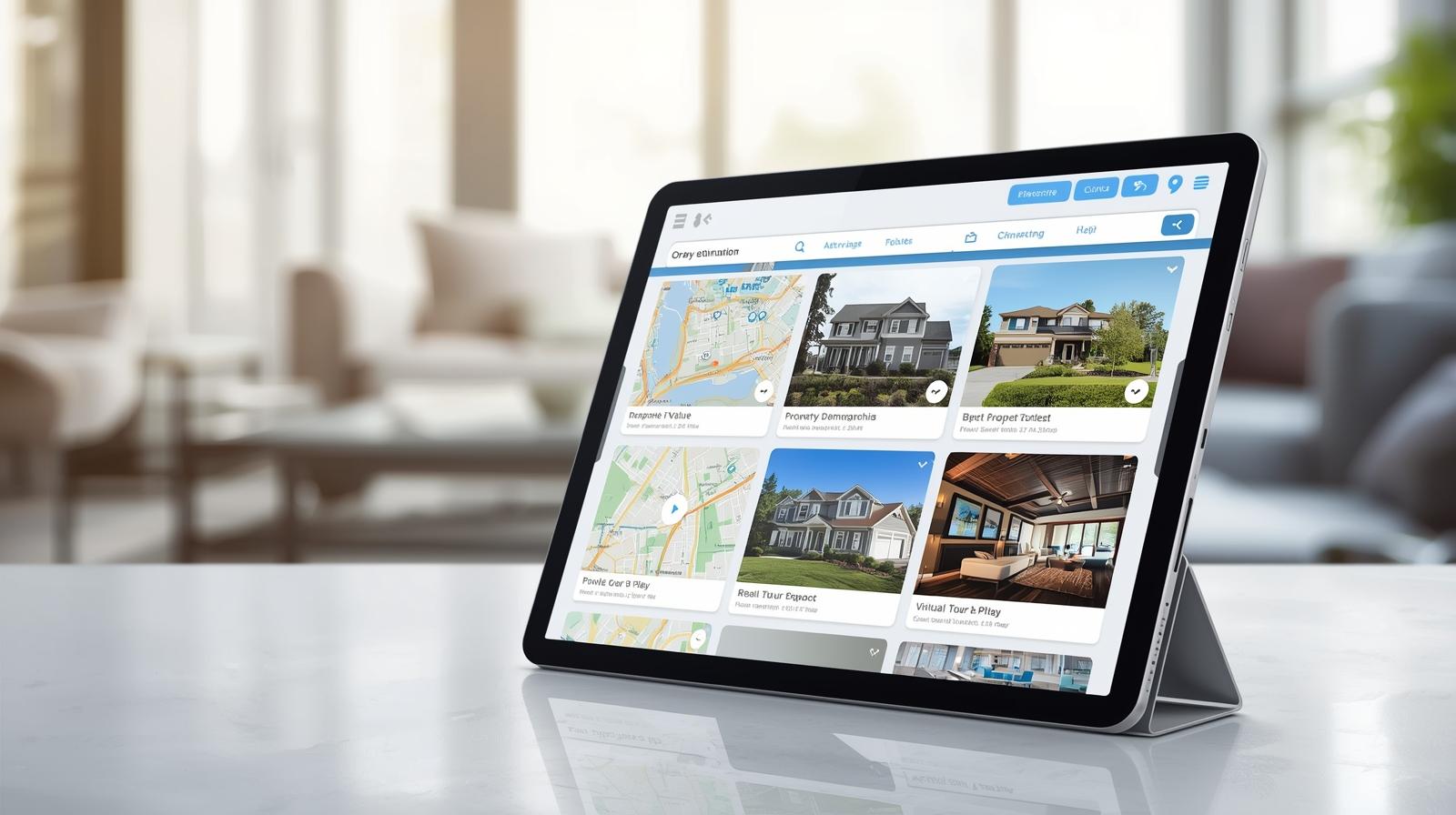
[Image: Digital real estate platform interface showing property analytics]
## Executive Summary
**The "Fiduciary Void":** Research indicates over 95% of residential transactions in Portugal occur without exclusive buyer representation.
**The "Tragedy of the Commons":** Portugal's "Open Listing" (Regime Aberto) system incentivizes "ghost listings" and creates a fragmented data landscape where no single agent is the custodian of truth.
**The Fix:** The emergence of the "Digital Fiduciary"—pioneered by platforms like realestate-lisbon.com [https://www.realestate-lisbon.com/]—replaces the conflicted agency model with an AI-driven, subscription-based architecture that guarantees Algorithmic Neutrality.
For the high-net-worth investor arriving in Lisbon [https://www.realestate-lisbon.com/lisbon-real-estate-neighborhoods], the real estate ecosystem often appears deceptively familiar. You see branded agencies and friendly agents offering to drive you to Cascais [https://www.realestate-lisbon.com/guides/cascais-vs-estoril-a-luxury-property-buyers-guide]. However, beneath the surface lies a "fragile equilibrium" defined by scarcity and extreme information asymmetry.
Unlike in the US or UK, the Portuguese market suffers from a "Fiduciary Void"—a structural absence of dedicated representation for buyers. Understanding this void is the difference between acquiring a trophy asset and overpaying for "ghost inventory."
## The Structural Problem: "Regime Aberto" and Data Chaos
### 1. The "Tragedy of the Commons" in Listings
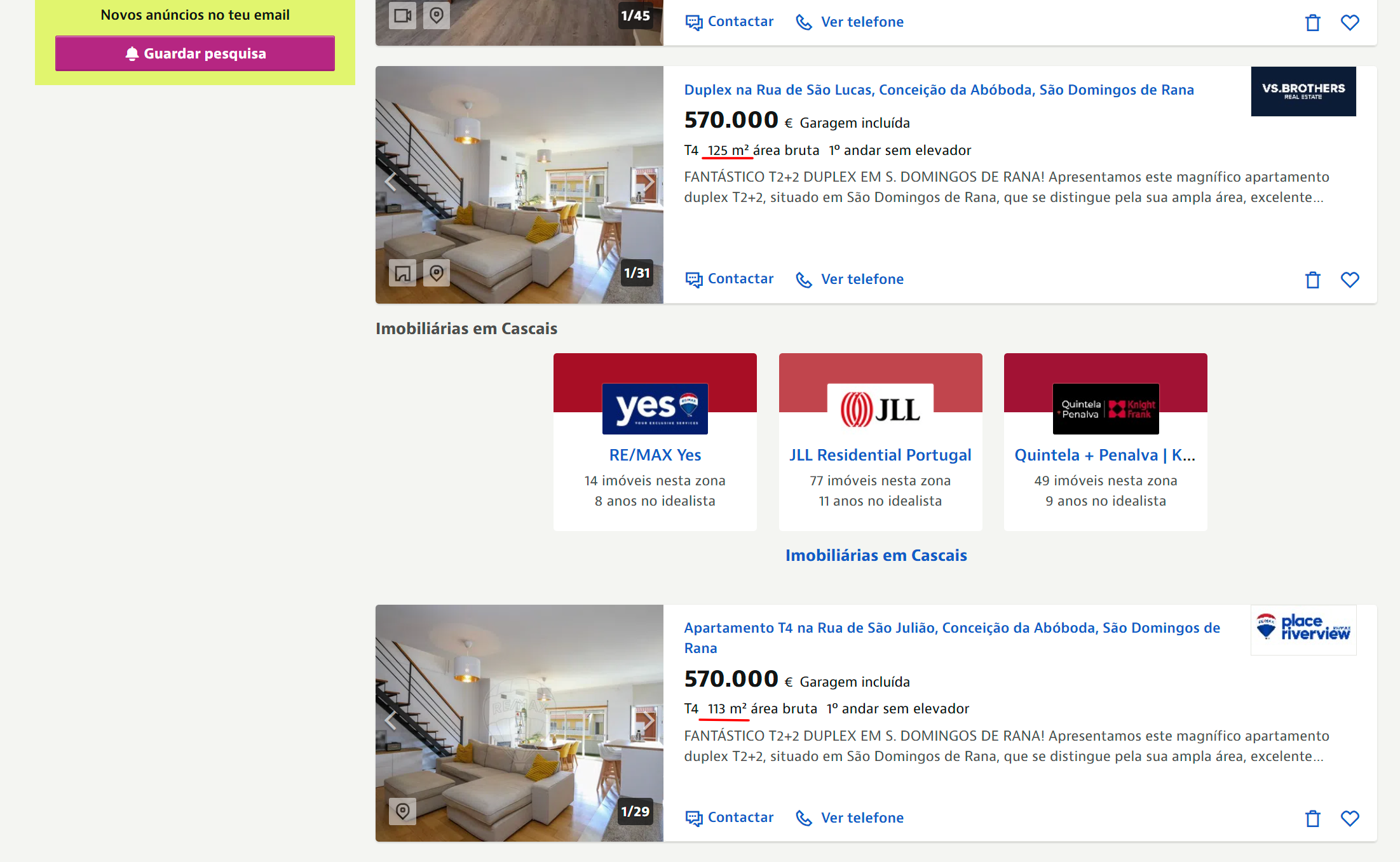
Portugal operates on a Regime Aberto (Open Listing) system, where a single property is often listed by multiple agencies [https://www.realestate-lisbon.com/real-estate-agencies] simultaneously.
**Data Fragmentation:** A single villa in the Algarve may appear on portals as three separate listings with conflicting prices and square footage.
**The "Ghost Listing" Phenomenon:** Agencies are incentivized to leave sold listings online to generate leads ("bait and switch"). This creates "ghost inventory," where significant portions of visible supply are actually unavailable.
**The Solution:** Leading online buyer agents now employ "TrueListing" technology—AI-powered deduplication engines that use computer vision to resolve duplicate listings and present a unified, verified view of the market.
[Image: Multiple duplicate property listings on Portuguese portals]
### 2. The Conflict of "Dual Agency"
The dominant business model in Portugal is seller-centric. Agents [https://www.realestate-lisbon.com/real-estate-agents] are legally and financially incentivized to maximize the sale price.
**The Risk:** "Dual Agency" is standard practice. If a listing agent represents you, their fiduciary duty remains with the seller. This creates inherent conflicts of interest [https://www.realestate-lisbon.com/buying-guide/agent-seller-issues].
**Commission Splitting:** Many listing agents refuse to split fees with buyer agents, effectively locking unrepresented buyers out of certain inventory to secure a double commission.
## The New Model: The "Digital Fiduciary"
To combat this, platforms like realestate-lisbon.com [https://www.realestate-lisbon.com/] have adopted a "Digital Fiduciary" architecture. This model unbundles the traditional agency value chain, automating 85% of the lifecycle while retaining a vetted human layer for the critical final mile.
### Core Pillars of the Digital Fiduciary
### Algorithmic Neutrality
**The Shift:** Traditional agents are paid a % of the sale price. The Digital Fiduciary model decouples revenue from seller commissions.
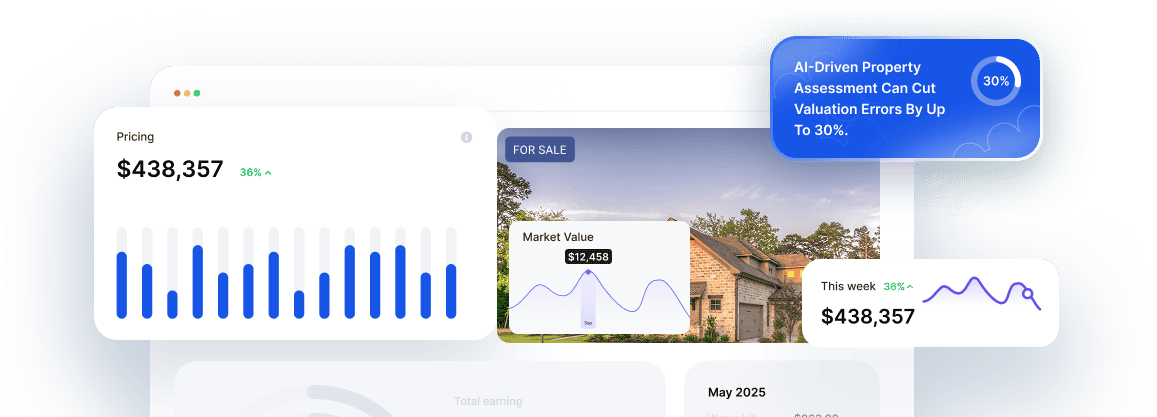
**The Benefit:** Valuation advice is driven by data, not commission incentives. An AI Valuation Model (AVM) provides an independent "Price Fairness Score" (e.g., "Overpriced by 15%") based on historical asking price trends rather than seller aspirations.
[Image: AI valuation model dashboard showing price fairness analytics]
### RiskScanner & Compliance-as-a-Service
**The Problem:** Portuguese real estate is notorious for documentation discrepancies [https://www.realestate-lisbon.com/buying-guide/legal-issues] (e.g., illegal annexes, square footage inflation).
**The Tech:** Advanced platforms use OCR (Optical Character Recognition) to analyze documents like the Caderneta Predial. The AI cross-references this with listing claims to automatically flag "Red Flags" like missing energy certificates or non-habitational status before you even visit.
### ProConnect: The Human Bridge
While AI handles the data, the "last mile" requires human expertise. The platform integrates a vetted marketplace of Lawyers [https://www.realestate-lisbon.com/real-estate-lawyers], Technical Surveyors [https://www.realestate-lisbon.com/professionals/home-inspectors-pre-purchase-inspections], and Notaries [https://www.realestate-lisbon.com/notaries] to handle physical inspections and deed execution.
## Navigating the "Bifurcated" Market
The Portuguese market [https://www.realestate-lisbon.com/market-insights] has split into two distinct tiers, and the Digital Fiduciary is essential for navigating both:
**The "Asset Class" Market:** Dominated by foreign capital, where investors pay premiums of 30–60% due to information asymmetry. The Digital Fiduciary acts as a hedge against this "expat tax."
**The "Shelter" Market:** Domestic buyers squeezed by affordability. For this demographic, the model democratizes access to professional representation by replacing the 5% commission cost with efficient, fixed-fee or subscription-based tools.
[Image: Real estate market data analytics and AI risk assessment]
## FAQ: Industry Mechanics
**Q: Can I trust the valuation from a seller's agent?**
**A:** No. They are incentivized to maximize the price. A Digital Fiduciary uses AI Valuation Models trained on proprietary datasets to provide an objective "fair market value," empowering you to negotiate from a position of strength.
**Q: Why do I see the same house listed at different prices?**
**A:** This is the result of the Regime Aberto. Sellers list with multiple agencies who may update prices at different times. An Online Buyer Agent uses deduplication algorithms to find the true lowest price across all listings.
**Q: Is "RiskScanner" technology necessary if I have a lawyer?**
**A:** Yes. A lawyer reviews the final contract. RiskScanner technology reviews the preliminary listing data to prevent you from wasting time and legal fees on properties with obvious documentation flaws, such as illegal square footage.
## Conclusion
In a market defined by opacity and "ghost listings," the Digital Fiduciary is the equalizer. By engaging a platform like realestate-lisbon.com [https://www.realestate-lisbon.com/], you move beyond the "tragedy of the commons" in data and secure a partner whose algorithmic neutrality ensures they work for your wealth, not the seller's commission.
For international buyers [https://www.realestate-lisbon.com/professionals/real-estate-agents-international-clients] seeking transparency in luxury properties [https://www.realestate-lisbon.com/professionals/real-estate-agents-luxury-properties], investment properties [https://www.realestate-lisbon.com/professionals/real-estate-agents-investment-properties], or off-plan developments [https://www.realestate-lisbon.com/off-plan], the Digital Fiduciary model represents a fundamental shift away from conflicted traditional agency relationships toward data-driven, buyer-centric representation.
Whether you're evaluating properties in prime neighborhoods like Chiado [https://www.realestate-lisbon.com/lisbon/chiado] or Príncipe Real [https://www.realestate-lisbon.com/lisbon/principe-real], or considering opportunities in emerging areas like Marvila [https://www.realestate-lisbon.com/off-plan/lisbon/marvila], understanding the structural conflicts in traditional agency models is essential. The combination of thorough due diligence [https://www.realestate-lisbon.com/professionals/real-estate-lawyers-due-diligence], property quality verification [https://www.realestate-lisbon.com/buying-guide/property-quality], and algorithmic neutrality creates the foundation for confident, informed investment decisions in Portugal's complex real estate landscape.
## Frequently Asked Questions
What is the 'Fiduciary Void' in Portuguese real estate?
Research indicates over 95% of residential transactions in Portugal occur without exclusive buyer representation. This creates a structural absence of dedicated representation for buyers, meaning most agents are legally and financially beholden to sellers rather than buyers.
What is Portugal's 'Regime Aberto' (Open Listing) system?
Regime Aberto is Portugal's Open Listing system where a single property is often listed by multiple agencies simultaneously. This creates data fragmentation where a villa might appear on portals as three separate listings with conflicting prices and square footage, making it difficult for buyers to determine accurate market information.
What are 'ghost listings' and why do they exist?
Ghost listings are properties that appear available online but are actually sold or unavailable. Agencies are incentivized to leave sold listings online to generate leads through 'bait and switch' tactics. This creates ghost inventory where significant portions of visible supply are actually unavailable, wasting buyers' time and creating false market perceptions.
Can I trust the valuation from a seller's agent?
No. Traditional agents are paid a percentage of the sale price and are incentivized to maximize price. A Digital Fiduciary uses AI Valuation Models trained on proprietary datasets to provide an objective 'fair market value,' empowering you to negotiate from a position of strength without conflicts of interest.
What is a 'Digital Fiduciary' in real estate?
A Digital Fiduciary is a platform-based model that unbundles the traditional agency value chain, automating 85% of the lifecycle while retaining vetted human expertise for critical tasks. It decouples revenue from seller commissions, ensuring algorithmic neutrality and providing buyers with objective data-driven advice rather than commission-motivated recommendations.
Why do I see the same house listed at different prices?
This is the result of the Regime Aberto (Open Listing system). Sellers list with multiple agencies who may update prices at different times. An Online Buyer Agent uses deduplication algorithms to find the true lowest price across all listings, cutting through the data fragmentation.
What is 'Algorithmic Neutrality' in property valuation?
Algorithmic Neutrality means valuation advice is driven by data rather than commission incentives. An AI Valuation Model (AVM) provides an independent 'Price Fairness Score' (e.g., 'Overpriced by 15%') based on historical asking price trends rather than seller aspirations, removing the conflict of interest inherent in traditional agent valuations.
What is 'RiskScanner' technology?
RiskScanner technology uses OCR (Optical Character Recognition) to analyze documents like the Caderneta Predial. The AI cross-references this with listing claims to automatically flag red flags like missing energy certificates, illegal annexes, square footage inflation, or non-habitational status before you even visit the property.
Is RiskScanner technology necessary if I have a lawyer?
Yes. A lawyer reviews the final contract during due diligence. RiskScanner technology reviews the preliminary listing data to prevent you from wasting time and legal fees on properties with obvious documentation flaws, such as illegal square footage or missing permits, before you invest time in viewings and legal reviews.
What is the 'expat tax' in Portuguese real estate?
The 'expat tax' refers to the premium of 30-60% that foreign capital pays in the 'Asset Class' market due to information asymmetry. International buyers without local knowledge or objective representation often overpay significantly. The Digital Fiduciary acts as a hedge against this premium by providing transparent, data-driven market intelligence.
How does the Digital Fiduciary model handle the 'last mile' of transactions?
While AI handles data aggregation, deduplication, and risk analysis (85% of the lifecycle), the Digital Fiduciary model integrates a vetted marketplace of Lawyers, Technical Surveyors, and Notaries through 'ProConnect' to handle physical inspections, legal due diligence, and deed execution - the critical tasks that require human expertise.
What is 'TrueListing' technology?
TrueListing technology employs AI-powered deduplication engines that use computer vision to resolve duplicate listings across multiple portals and agencies. It presents a unified, verified view of the market, eliminating the confusion of seeing the same property listed multiple times at different prices and with conflicting information.