Lisbon vs. Algarve: The Great American Pivot
By Pieter Paul Castelein
Published: January 25, 2026
Category: Comparative Market Studies
**
# Lisbon vs. Algarve: The Great American Pivot
Why high-net-worth portfolios are shifting from southern resort yields to the 12-month vitality of the Lisbon-Cascais corridor.
[Image: Lisbon waterfront and Cascais coastline comparison]
## Executive Summary
**The Trend:** U.S. capital is increasingly treating Portugal as a primary residence destination, favoring the "California-style" duality of Lisbon-Cascais over the seasonal Algarve.
**The Data:** While the Algarve offers higher gross seasonal yields (up to 8%), Lisbon Metro [https://www.realestate-lisbon.com/lisbon-real-estate-neighborhoods] delivers superior long-term asset appreciation and a stable 12-month rental market (5.2–5.7% yields).
**The Alpha:** With turnkey inventory scarce in both markets, the smartest capital is acquiring "historic" stock in Lisbon for renovation—a strategy requiring boots-on-the-ground oversight.
For decades, the "Portugal play" for international investors [https://www.realestate-lisbon.com/professionals/real-estate-agents-international-clients] was simple: buy a villa in the Algarve's Golden Triangle, enjoy it in July, and harvest rental yields the rest of the year. But as we move through 2026, a distinct shift is visible in the transaction data. American high-net-worth investors (HNWIs) are decoupling from the traditional British-dominated resort market and pivoting aggressively toward the Lisbon Metropolitan Area.
This isn't just a change in geography; it's a change in asset class. The move is away from "holiday homes" and toward "primary residences" (or assets that function as such). Driven by direct flights from North America, international schools, and a tech-heavy economy, the Lisbon-Cascais corridor has emerged as the "active" asset choice, leaving the Algarve as the "passive" retreat.
## The "12-Month Economy" vs. The "Seasonal Spike"
### Lisbon Metro: The "San Francisco" of Europe
The Lisbon-Cascais axis offers a lifestyle mirroring the California coast: a cosmopolitan city center (Lisbon) connected by a scenic coastal road to an affluent, beachside enclave (Cascais [https://www.realestate-lisbon.com/guides/cascais-vs-estoril-a-luxury-property-buyers-guide]).
**Demographics:** The buyer profile here is active—entrepreneurs, tech executives, and young families. They require proximity to St. Julian's or TASIS, access to the Tires Aerodrome for private aviation, and a 12-month social calendar.
**Market Dynamics:** This is a supply-constrained market. In neighborhoods like Chiado [https://www.realestate-lisbon.com/lisbon/chiado] or Príncipe Real [https://www.realestate-lisbon.com/lisbon/principe-real], zoning laws prevent new height, meaning inventory is fixed. This drives consistent capital appreciation (approx. 4–6% annually in prime zones) that is less susceptible to tourism downturns than the Algarve.
[Image: Chiado and Príncipe Real luxury apartments]
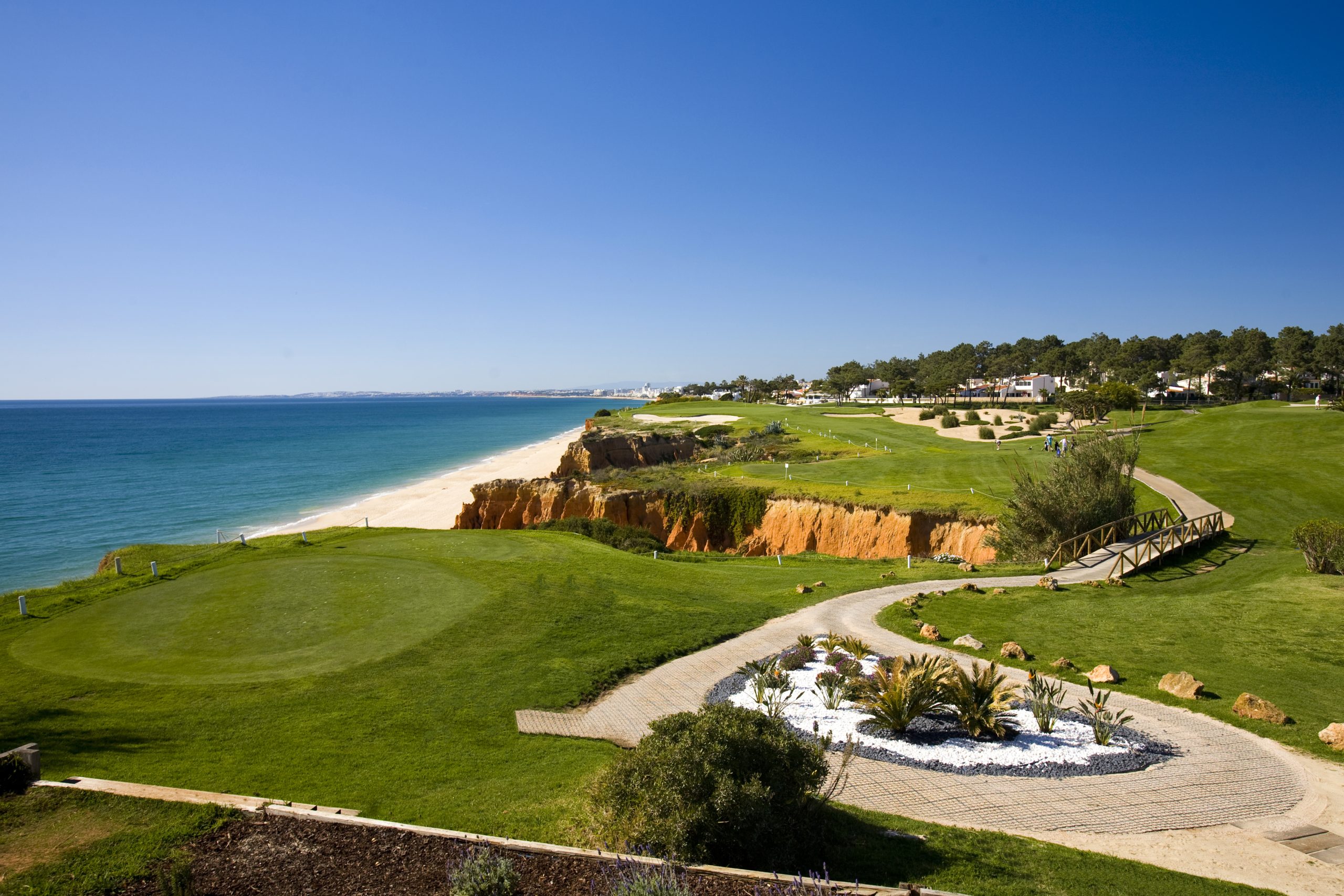
### The Algarve: The "Florida" Factor
The Algarve remains Europe's premier golf and beach destination, but its economic heartbeat slows significantly from November to March.
**The Yield Trap:** While short-term rental yields in places like Vilamoura or Quinta do Lago can hit 8% in peak season, they often average down to 4.5–5% once winter vacancies and high management fees (20%+) are factored in.
**The Shift:** The region is attempting to gentrify beyond tourism (e.g., the tech scene in Faro), but for the U.S. buyer accustomed to year-round amenities, the "off-season" silence can be a dealbreaker for property use, even if the yields look attractive on paper.
## Head-to-Head: The Hard Numbers (2026)
[Table]
|
| Metric
| Lisbon (Prime) / Cascais
| Algarve (Golden Triangle)
| Avg. Price / m² (Luxury)
| €7,600 – €11,000
| €6,000 – €17,000
| Rental Yield (Gross)
| 5.2% – 5.7% (Long-term stability)
| 5.0% – 8.0% (Seasonal volatility)
| Occupancy Profile
| 12-Month / Corporate / Family
| Seasonal / Vacation / Golf
| Renovation Complexity
| High (Historic buildings, strict IPPAR rules)
| Medium (Condos, Villas)
| Liquidity
| High (Domestic + Int'l Demand)
| Medium (Int'l Demand dominant)
[End Table]
**Market Intelligence:** The price floor in the Algarve is lower, but the ceiling is higher. A trophy mansion in Quinta do Lago can command €15M+, distorting average stats. In Lisbon, the value is density-driven; in the Algarve, it is plot-driven.
[Image: Historic Pombaline building renovation in Lisbon]
## The "Renovation Arbitrage" Opportunity
In 2026, the scarcity of high-quality "turnkey" inventory is the defining feature of both markets. Existing homes are appreciating faster than new builds (19% vs 14% in 2025), signaling a premium on available stock.
### The Lisbon Challenge:
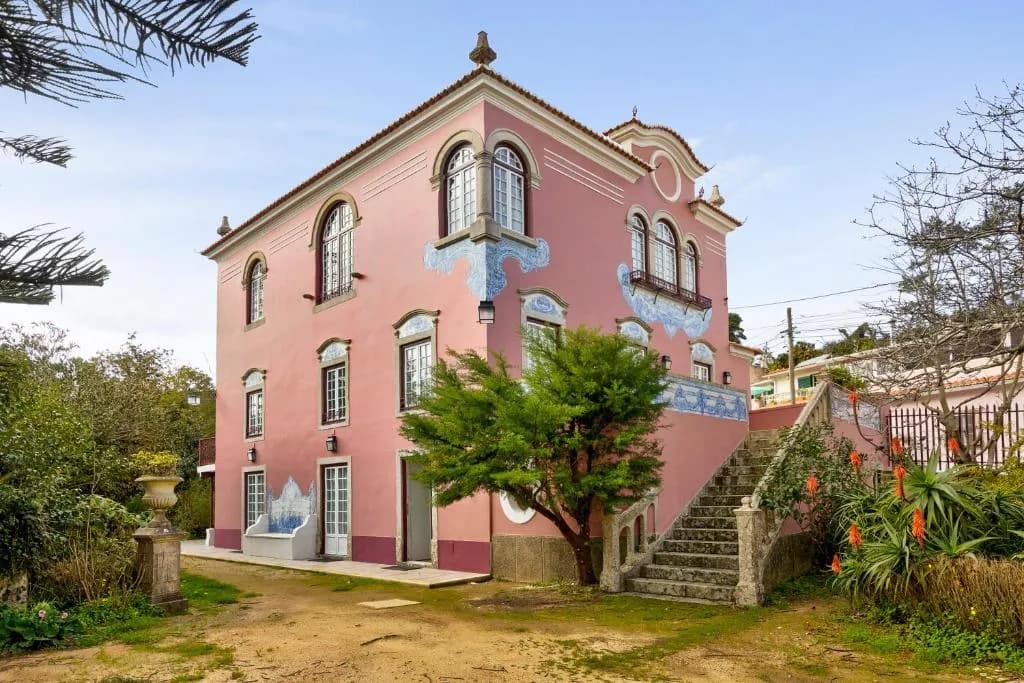
Buying a 19th-century Pombaline apartment in Lisbon offers the highest potential ROI, but it comes with a "CapEx Cliff." You are not just buying a home; you are buying a restoration project involving structural reinforcement [https://www.realestate-lisbon.com/professionals/civil-engineers-structural-engineering], heritage licensing, and complex logistics in narrow streets.
### The Solution:
This is where the "remote investor" model often breaks down. American buyers, accustomed to transparent contractor processes, often struggle with Portuguese construction opacity [https://www.realestate-lisbon.com/buying-guide/agent-seller-issues].
**Strategic Integration:** Services like TrustedBuildr.com have become essential for this demographic. By acting as an "Owner's Representative," they allow HNWIs to execute complex renovations in Lisbon or Cascais without being on-site.
**The Value Add:** Instead of overpaying for a developer's finished product (often with a 30% markup), savvy investors buy the "unpolished gem" and use TrustedBuildr to manage the modernization. This captures the equity gap between the purchase price and the final asset value—a strategy that is much harder to execute in the Algarve's spread-out villa market without trusted local partners.
Working with experienced historic restoration specialists [https://www.realestate-lisbon.com/professionals/constructors-historic-restoration] and traditional Portuguese architects [https://www.realestate-lisbon.com/professionals/architects-traditional-portuguese-architecture] is crucial for navigating IPPAR regulations and ensuring property quality [https://www.realestate-lisbon.com/buying-guide/property-quality] during these complex renovations.
## Lifestyle Audit: Which Suits Your Portfolio?
### Choose Lisbon Metro If:
You want an asset that doubles as a business hub or primary family base.
You prioritize consistent capital preservation over volatile high yields.
You want "walkability" and urban culture (museums, fine dining, international airports) year-round.
### Choose Algarve If:
The property is strictly a vacation vehicle (2–4 weeks personal use).
You are chasing maximum gross yield and can stomach seasonal vacancy.
You prefer gated community privacy and resort-style amenities (golf, tennis) over urban integration.
For investors seeking to calculate potential returns, our Rental Yield Calculator [https://www.realestate-lisbon.com/calculators/rental-yield] and ROI & Rental Yield Calculator [https://www.realestate-lisbon.com/calculators/investment-analyzer] provide detailed analysis of both markets.
[Image: Algarve golf resort and Lisbon city life comparison]
## Conclusion
For the U.S. investor, the Lisbon Metropolitan Area [https://www.realestate-lisbon.com/market-insights] is the "blue chip" stock—reliable, active, and appreciating. The Algarve is the "dividend" stock—great for cash flow in good years, but less robust in a downturn. As 2026 unfolds, the smart money is betting on the 12-month vitality of the capital, using renovation partners to force appreciation in a supply-constrained market.
Whether targeting luxury properties [https://www.realestate-lisbon.com/professionals/real-estate-agents-luxury-properties] in Lapa [https://www.realestate-lisbon.com/lisbon/lapa] or exploring off-plan developments [https://www.realestate-lisbon.com/off-plan/lisbon] in emerging neighborhoods like Marvila [https://www.realestate-lisbon.com/off-plan/lisbon/marvila], investment-focused buyers [https://www.realestate-lisbon.com/professionals/real-estate-agents-investment-properties] are recognizing that the Lisbon-Cascais corridor offers not just returns, but a lifestyle that aligns with modern high-net-worth priorities.
For those navigating investment risks [https://www.realestate-lisbon.com/buying-guide/investment-risks] and seeking professional guidance, connecting with English-speaking real estate agents [https://www.realestate-lisbon.com/english-speaking-agents] and English-speaking lawyers [https://www.realestate-lisbon.com/english-speaking-lawyers] familiar with cross-border financial concerns [https://www.realestate-lisbon.com/buying-guide/financial-concerns] is essential for successful execution of this sophisticated investment strategy.
## Frequently Asked Questions
Why are American investors shifting from the Algarve to Lisbon?
American high-net-worth investors are pivoting toward the Lisbon Metropolitan Area because it offers a 12-month active market with consistent capital appreciation (4-6% annually), year-round amenities, direct flights from North America, international schools, and a tech-heavy economy. Unlike the Algarve's seasonal market, Lisbon functions as a primary residence destination rather than just a holiday home.
What are the rental yields in Lisbon compared to the Algarve?
Lisbon offers rental yields of 5.2-5.7% with 12-month stability and long-term tenant profiles. The Algarve can reach 5.0-8.0% gross yields during peak season, but these average down to 4.5-5% once winter vacancies and high management fees (20%+) are factored in. Lisbon's yields are more consistent throughout the year.
What is the 'renovation arbitrage' opportunity in Lisbon?
Renovation arbitrage involves buying 'unpolished gem' properties in Lisbon (such as 19th-century Pombaline apartments) at lower prices, then managing strategic renovations to capture the equity gap between purchase price and final asset value. This strategy avoids paying developer markups (often 30%) on turnkey properties. Services like TrustedBuildr.com help international investors manage these complex renovations remotely.
What are the average luxury property prices per square meter in Lisbon vs. Algarve?
In Lisbon prime areas and Cascais, luxury properties average €7,600-€11,000 per square meter. In the Algarve's Golden Triangle, prices range from €6,000-€17,000 per square meter. The Algarve's wider range reflects plot-driven value and trophy properties that can command €15M+, while Lisbon's value is density-driven.
Which market has better liquidity: Lisbon or Algarve?
Lisbon has higher liquidity with both domestic and international demand supporting transactions year-round. The Algarve has medium liquidity with predominantly international demand. Lisbon's supply-constrained market in neighborhoods like Chiado and Príncipe Real, where zoning prevents new construction, drives consistent demand and faster sales.
What makes Lisbon comparable to San Francisco for American investors?
The Lisbon-Cascais axis mirrors California's coast with a cosmopolitan city center (Lisbon) connected by scenic coastal road to an affluent beachside enclave (Cascais). It attracts entrepreneurs, tech executives, and young families who need proximity to international schools like St. Julian's or TASIS, access to private aviation at Tires Aerodrome, and a year-round social calendar.
What are the challenges of renovating historic properties in Lisbon?
Buying 19th-century Pombaline apartments offers high ROI potential but comes with a 'CapEx Cliff' - you're buying a restoration project requiring structural reinforcement, heritage licensing (IPPAR rules), and complex logistics in narrow streets. American buyers often struggle with Portuguese construction opacity, making local oversight partners essential for success.
How do occupancy profiles differ between Lisbon and Algarve?
Lisbon properties attract 12-month occupancy from corporate tenants, long-term residents, and families. The Algarve's occupancy is seasonal and vacation-focused, with strong demand during summer but significant vacancies from November to March. This fundamental difference affects both cash flow consistency and property utility for owners.
Should I choose Lisbon or Algarve for investment property?
Choose Lisbon if you want an asset that doubles as a business hub or primary family base, prioritize consistent capital preservation over volatile yields, and value walkability with year-round urban culture. Choose Algarve if the property is strictly a vacation vehicle (2-4 weeks personal use), you're chasing maximum gross yield and can handle seasonal vacancy, and you prefer gated community privacy with resort amenities over urban integration.
What is driving capital appreciation in Lisbon compared to the Algarve?
Lisbon's capital appreciation (4-6% annually in prime zones) is driven by supply constraints - zoning laws in neighborhoods like Chiado prevent new height, meaning inventory is fixed. This creates consistent appreciation less susceptible to tourism downturns. The Algarve's appreciation is more volatile and tied to international tourism trends and seasonal demand patterns.
Why is turnkey inventory scarce in both markets?
Scarcity of high-quality turnkey inventory is the defining feature of both markets in 2026. Existing homes are appreciating faster than new builds (19% vs 14% in 2025), signaling a premium on available stock. This drives the renovation arbitrage strategy where investors buy properties needing work rather than paying developer premiums for finished units.
How do management fees compare between Lisbon and Algarve rental properties?
Algarve short-term vacation rentals typically incur management fees of 20%+ due to the intensive nature of seasonal turnover, marketing, and guest services. Lisbon's long-term rental market has lower management costs with more stable tenant relationships, contributing to better net yields despite lower gross returns.