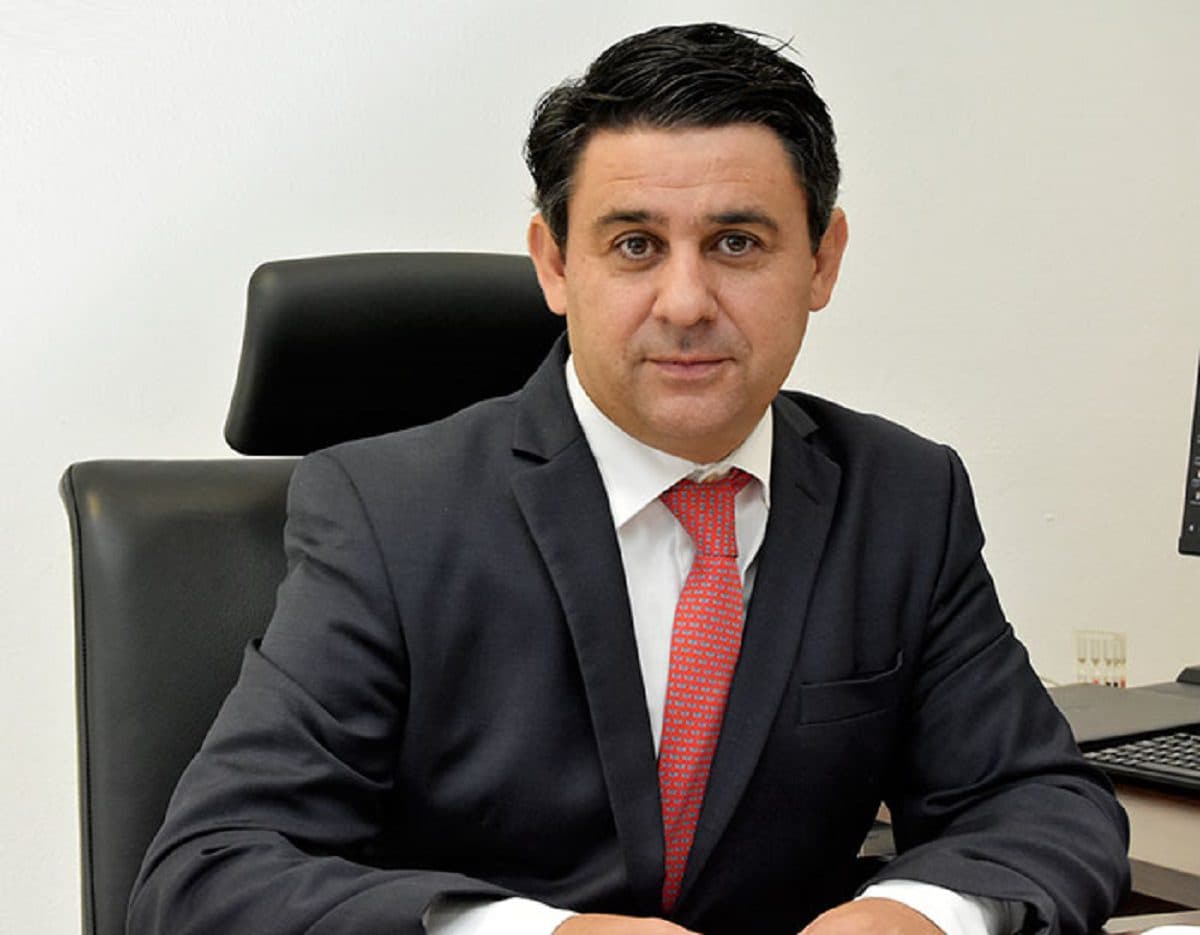
ULI Portugal Appoints New Chair: Focus on Housing, Urban Regeneration, and Sustainability for Portuguese Cities
By Mihail Talev
Published: July 21, 2026
Category: politics
### ULI Portugal Appoints New Chair: Focus on Housing, Urban Regeneration, and Sustainability for Portuguese Cities
In a pivotal development for Portugal's urban development and real estate sectors, **Fernando Vasco Costa** has been officially appointed as the new Chair of **ULI Portugal** for a two-year mandate. This strategic leadership change underscores a reinforced commitment to addressing the nation's most pressing urban challenges, with a pronounced emphasis on critical areas such as housing accessibility, comprehensive urban regeneration, and long-term environmental sustainability. This focus is particularly pertinent for foreign investors and expatriates evaluating the future trajectory of the Portuguese property market.
### Key Takeaways
• ✓ Fernando Vasco Costa appointed Chair of ULI Portugal for a two-year term, effective July 1, 2026.
• ✓ New leadership prioritizes housing, urban regeneration, climate adaptation, and decarbonization.
• ✓ ULI Portugal aims to enhance collaboration between public, private, and academic sectors for urban development.
• ✓ Strategic focus on positioning Portugal as an international reference in urban innovation and sustainable cities.
The **Urban Land Institute (ULI)**, a globally recognized authority in land use and real estate development, formally announced Fernando Vasco Costa's assumption of this influential role on July 1, 2026. As a distinguished ULI member since 2019 and a current integral part of the organization's Executive Committee in Portugal, Vasco Costa brings a wealth of experience and strategic acumen, notably from his current position as CEO of **VIZTA**. He succeeds Margarida Caldeira, Principal and director of Broadway Malyan's Lisbon office, who oversaw a period of significant growth for the organization.
Margarida Caldeira, in her comprehensive handover statement, conveyed profound gratitude for the collaborative spirit and unwavering support experienced during her two-year tenure, highlighting ULI Portugal's substantial expansion. She expressed strong conviction that the newly established Product Councils, operating in conjunction with the already consolidated Residential Council, will serve as a powerful catalyst for growth under Vasco Costa's stewardship, confidently asserting that he will elevate ULI Portugal to an unprecedented level of influence and impact within the European real estate landscape.
## Market Implications for Investors
The strategic priorities articulated by the new ULI Portugal leadership carry profound implications for foreign investors actively engaged in or considering the Portuguese real estate market. The explicit emphasis on **access to housing**, comprehensive **urban regeneration**, and robust **sustainability initiatives** clearly delineates the areas where future policy, public funding, and private development efforts will be most intensely concentrated. Investors who strategically align their capital with these overarching themes are likely to encounter enhanced opportunities, streamlined regulatory processes, and potentially more supportive governmental frameworks.
ULI Portugal's unwavering commitment to fostering greater articulation and synergy between the public, private, and academic sectors suggests a more integrated and holistic approach to urban development. This collaborative framework is poised to lead to more predictable, stable, and ultimately more attractive investment conditions, particularly for large-scale projects involving complex construction [https://www.realestate-lisbon.com/construction-companies] and innovative architectural design [https://www.realestate-lisbon.com/architecture-firms]. Understanding the intricacies of these multi-sector partnerships is absolutely crucial for foreign investors navigating the often-complex landscape of major development initiatives in Portugal.
Furthermore, the strategic focus on positioning Portugal as an international benchmark in urban innovation signals a profound commitment to modern, forward-thinking development paradigms. This forward-looking approach is expected to attract a significant influx of additional foreign direct investment into cutting-edge real estate projects, including advanced smart cities, resilient infrastructure, and highly sustainable developments. These types of projects are increasingly appealing to global capital seeking both robust financial returns and demonstrable positive environmental and social impact. For more granular insights into evolving policy and its impact on investment, refer to our dedicated policy analysis blog [https://www.realestate-lisbon.com/blog/policy-analysis].
## ULI Portugal's Strategic Vision
Fernando Vasco Costa's overarching ambition is to significantly reinforce ULI Portugal's pivotal role as an independent, authoritative platform for knowledge dissemination, collaborative engagement, and visionary leadership in the ongoing endeavor to construct the cities of the future. He articulates a profound belief that cities fundamentally represent the most expansive collective project undertaken by human societies, and that ULI Portugal is uniquely positioned to continue asserting itself as an indispensable forum for dialogue, independent knowledge generation, and synergistic collaboration among all stakeholders who actively contribute to the design, enhancement, and evolution of urban environments across the nation.
The comprehensive strategic priorities under his dynamic mandate encompass critical areas such as proactive adaptation to the escalating challenges of climate change, aggressive decarbonization initiatives within the built environment, and the systematic development of a new generation of leadership talent within the real estate sector. These meticulously planned initiatives are specifically designed to cultivate and create more inclusive, inherently sustainable, resilient, and profoundly people-centered cities, thereby ensuring that Portugal not only maintains but actively strengthens its position at the vanguard of urban innovation on the global stage.
## Portugal's Urban Development Context
Portugal's urban development landscape is currently undergoing a period of profound and dynamic transformation, propelled by a powerful confluence of sustained economic growth, escalating international interest, and an unwavering national commitment to the principles of sustainability. The pronounced focus on both housing provision and comprehensive urban regeneration is particularly pertinent, given the persistent and growing demand for residential properties, especially in prime urban centers, and the imperative need to revitalize and modernize the nation's rich tapestry of historic city centers.
Several interconnected and influential factors continue to exert a significant shaping force on the trajectory of urban development across Portugal:
• **Housing Accessibility**: Government and private sector initiatives aimed at substantially increasing the availability of affordable housing options are recognized as critical for both fostering social equity and ensuring long-term market stability.
• **Climate Adaptation**: There is a rapidly growing emphasis on implementing resilient urban planning strategies and developing robust infrastructure specifically designed to mitigate the escalating impacts of climate change.
• **Decarbonization Efforts**: The systematic integration of advanced green building practices and innovative renewable energy solutions is becoming a standard in both new developments and the retrofitting of existing structures.
• **Innovation in Urban Planning**: The proactive adoption of cutting-edge smart city technologies and pioneering design methodologies is fundamentally enhancing the quality and efficiency of urban living experiences.
These factors collectively contribute to a highly dynamic and evolving environment where sustainable and inclusive urban growth is not merely an aspiration but a prioritized mandate. Foreign investors should meticulously consider these overarching themes when evaluating long-term real estate opportunities in Portuguese cities, including the vibrant capital of Lisbon [https://www.realestate-lisbon.com/lisbon-real-estate-neighborhoods], as they represent key indicators of future market direction and potential for value creation.
## Investment Considerations
For foreign investors, ULI Portugal's renewed and sharpened focus on housing and urban regeneration presents significant **strategic implications**. Projects that demonstrably align with these core priorities, particularly those that integrate advanced sustainable practices and proactively address critical housing needs, are highly likely to receive favorable governmental support and potentially benefit from a range of incentives and streamlined approvals. This creates a more predictable and inherently attractive environment for the strategic deployment of long-term capital.
The pronounced emphasis on robust collaboration between the public and private sectors also strongly suggests a potentially reduced risk profile for large-scale developments, as governmental backing can significantly streamline complex administrative processes and provide a crucial layer of stability. Investors are strongly advised to engage proactively with English-speaking real estate lawyers [https://www.realestate-lisbon.com/english-speaking-lawyers] to meticulously navigate the evolving regulatory landscape and ensure absolute compliance with new urban planning guidelines. Furthermore, a comprehensive understanding of the Simplex 2024 liability framework [https://www.homeos.pt/simplex-2024/] is absolutely crucial for buyers to verify that licensed floor plans precisely match the physical property, thereby mitigating potential legal issues related to unauthorized construction.
The unwavering commitment to decarbonization and broader environmental sustainability also opens compelling avenues for strategic investment in certified green buildings and eco-friendly developments. These types of properties are increasingly commanding a premium in the market and align perfectly with global investor trends towards responsible and impactful investing, offering both robust financial returns and demonstrable positive environmental and social contributions.
## Looking Ahead
The new leadership at ULI Portugal, with its clearly articulated and ambitious strategic vision for housing, urban regeneration, and sustainability, unequivocally signals a proactive and forward-thinking approach to meticulously shaping the future of Portuguese cities. This profound commitment is expected to catalyze significant investment and drive innovative development in areas that are both economically viable and profoundly socially responsible, thereby enhancing Portugal's overall attractiveness as an investment destination.
As Portugal continues its dynamic evolution as a premier European hub, the real estate sector is poised to play an absolutely pivotal role in its sustained growth and international positioning. Investors who keenly understand and proactively adapt to these strategic priorities will be exceptionally well-positioned to capitalize on emerging opportunities and make substantial contributions to the creation of more inclusive, resilient, and sustainable urban environments. For expert guidance on urban development strategies and identifying prime investment opportunities, contact realestate-lisbon.com [https://www.realestate-lisbon.com/].