Lisbon Metropolitan Area: Vacant Homes Pose Significant Challenge to Portugal's Housing Market and Investment Landscape
By Nikola Zdraveski
Published: October 21, 2026
Category: politics
### Lisbon Metropolitan Area: Vacant Homes Pose Significant Challenge to Portugal's Housing Market and Investment Landscape
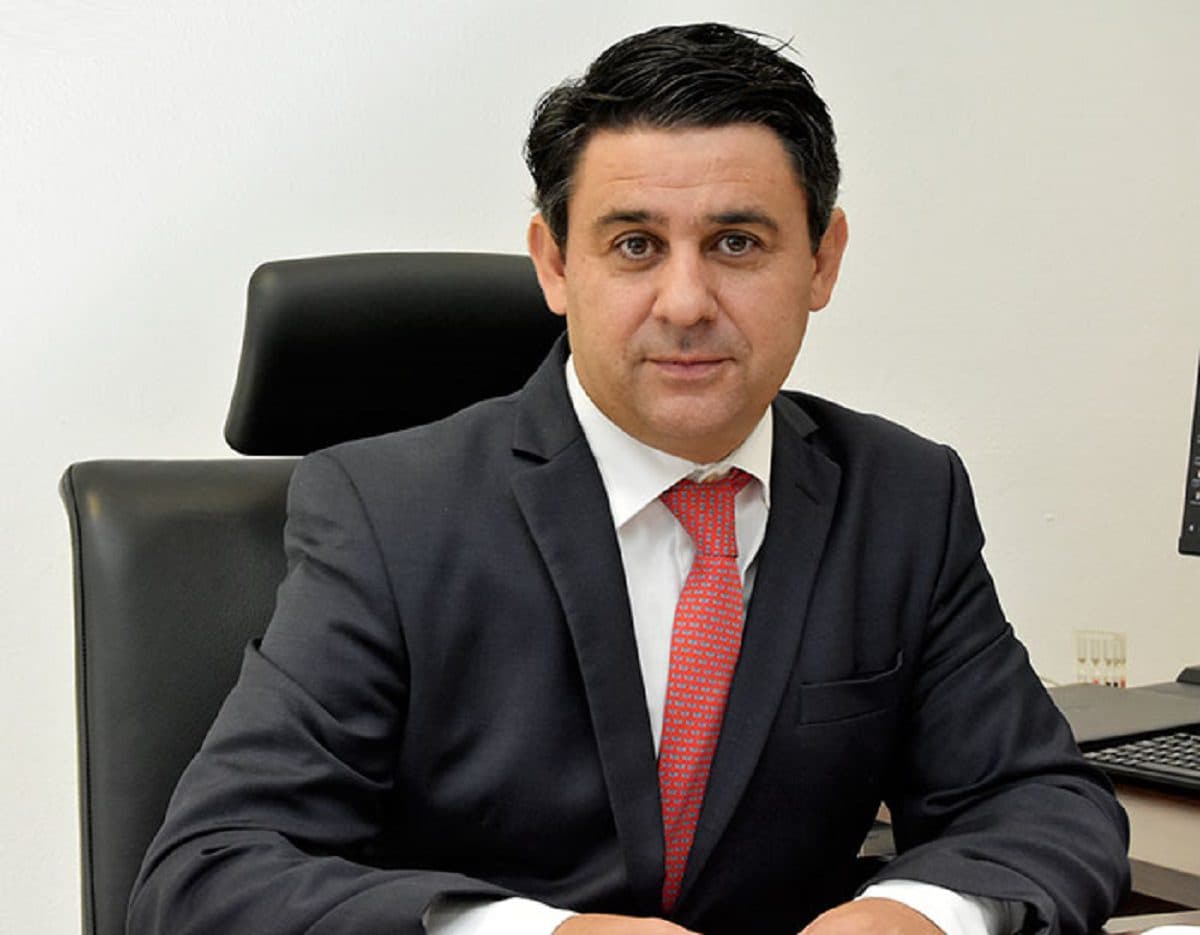
In a significant development for **Portugal**'s housing sector, the issue of vacant homes is gaining prominence, particularly within the **Lisbon Metropolitan Area**. This challenge, highlighted by Paulo Margalhau, underscores that the housing crisis extends beyond mere construction deficits, encompassing the underutilization of existing property assets.
### Key Takeaways
• ✓ Portugal's housing crisis is exacerbated by over 700,000 vacant dwellings, representing 12% of the national housing stock.
• ✓ The Setúbal Peninsula, a key part of Greater Lisbon, faces particular challenges with underutilized properties impacting economic and social dynamics.
• ✓ Public policies are urged to balance private property rights with collective interest in rational resource use, focusing on rehabilitation incentives.
• ✓ The housing crisis threatens Portugal's economic growth, competitiveness, and social cohesion, demanding a comprehensive, integrated policy response.
The discussion surrounding Portugal's housing crisis must evolve beyond simply building new properties. The strategic utilization of existing real estate assets is increasingly recognized as a critical economic, social, and collective interest. This perspective is particularly pertinent in the **Setúbal Peninsula**, an area deeply integrated into the economic fabric of **Greater Lisbon**, where municipalities like **Barreiro**, **Moita**, **Seixal**, **Almada**, and **Montijo** are grappling with these complexities.
The region's development is intrinsically linked to accessibility, commuting patterns, and the synergy between housing, employment, and transport infrastructure. Therefore, the solution to the housing challenge in these territories cannot solely rely on urban expansion but must also prioritize the revitalization of urban centers, the rehabilitation of existing buildings, and the fostering of economically active communities. This approach aligns with broader urban regeneration [https://www.realestate-lisbon.com/blog/urban-regeneration] goals, aiming to enhance both property values and community well-being.
## Market Implications for Foreign Investors
For foreign investors and expats considering the **Lisbon real estate market**, the prevalence of vacant homes presents both challenges and distinct opportunities. The 2021 Census data, revealing over 700,000 vacant dwellings nationwide (12% of the housing stock), underscores a significant untapped resource. While not all these properties are immediately habitable or available, the sheer volume demands strategic attention, particularly in high-demand urban areas such as those within the Lisbon Metropolitan Area [https://www.realestate-lisbon.com/lisbon-real-estate-neighborhoods].
This situation implies that a focused approach on property rehabilitation [https://www.realestate-lisbon.com/buying-guide/property-quality] and urban regeneration could yield substantial returns. Investors looking beyond new builds might find considerable value in existing properties that, with strategic investment and expert historic restoration [https://www.realestate-lisbon.com/professionals/constructors-historic-restoration], can be efficiently brought back into the market. The social impact of vacant homes, leading to weakened local commerce and reduced quality of life, also suggests a strong public and political will to address this issue, potentially creating favorable conditions and incentives for investors involved in revitalization projects.
The ongoing discussion around differentiated taxation, such as increased IMI (Annual Property Tax) [https://www.realestate-lisbon.com/calculators/imt] for vacant properties, signals a governmental push to incentivize owners to place homes on the market. This policy direction could lead to an increase in available properties, potentially influencing market dynamics and offering new entry points for astute investors. Understanding these policy shifts and their potential impact on regulatory and legal frameworks [https://www.realestate-lisbon.com/blog/regulatory-and-legal-frameworks] is crucial for strategic investment planning in the region.
Furthermore, the emphasis on utilizing existing heritage rather than solely expanding urban sprawl aligns with global sustainability trends. Investors focused on sustainable real estate [https://www.realestate-lisbon.com/buying-guide/sustainability] and responsible development will find this policy direction particularly appealing, as it promotes efficient resource use and preserves urban character. This approach can enhance the long-term value and appeal of rehabilitated properties.
## The Broader Context of Portugal's Housing Crisis
The housing crisis in Portugal is a multifaceted structural problem, impacting economic development, social cohesion, and the nation's future competitiveness. The inability of individuals to live near their workplaces, the challenges faced by young families in establishing themselves, and companies struggling to attract and retain talent due to high housing costs all collectively compromise Portugal's growth trajectory. This critical context necessitates a comprehensive re-evaluation of the prevailing notion that increased construction is the sole or primary solution.
While new construction remains an indispensable component in certain territories, the article critically questions the long-term sustainability of continuous territorial consumption and extensive investment in new infrastructure without first optimizing the use of existing assets. The social dimension of vacant homes, often overlooked in traditional economic indicators, highlights how deserted urban centers can lead to a significant decline in local commerce, reduced public space utilization, and an increased likelihood of social isolation, particularly among the elderly population. This phenomenon of urban desertification ultimately diminishes the overall quality of life and erodes the collective identity within affected communities, presenting a complex challenge for policymakers and urban planners alike.
## Lisbon Metropolitan Area Housing Market Dynamics
The **Setúbal Peninsula**, a vital component of the expansive **Lisbon Metropolitan Area**, exemplifies the intricate complexities of the current housing crisis. Its deep economic ties to **Greater Lisbon** mean that issues of accessibility, daily commuting patterns, and the critical interplay between housing availability, employment opportunities, and efficient transport infrastructure are acutely felt across its municipalities. The region's long-term development strategy must therefore encompass more than just conventional urban expansion; it requires a concerted and integrated effort towards urban recovery, the comprehensive rehabilitation of existing buildings, and the proactive cultivation of economically vibrant and resident communities.
Several interconnected factors continue to influence the market for existing properties and the broader housing landscape:
• **Urban Regeneration Initiatives**: Government and private sector efforts to revitalize older urban areas and bring vacant properties back into productive use are gaining momentum, offering new avenues for investment.
• **Policy Incentives**: The potential for new or reinforced incentives for property owners to rehabilitate and rent out vacant homes, including state-backed rent guarantees, could significantly increase market supply and reduce investment risks [https://www.realestate-lisbon.com/buying-guide/investment-risks].
• **Taxation Adjustments**: The application and effectiveness of differentiated IMI for vacant properties [https://www.realestate-lisbon.com/professionals/accountants-property-tax], aiming to make market placement more advantageous than prolonged vacancy, is a key policy lever.
• **Demographic Shifts**: The imperative to retain young talent and attract international companies is directly impacted by the availability and affordability of housing, making this a critical factor for economic growth.
These factors collectively shape an environment where the strategic management of existing housing stock is as critical as new construction in addressing the broader housing deficit and ensuring sustainable urban development across the region. Investors should closely monitor these evolving dynamics for emerging opportunities.
## Strategic Investment Considerations
For foreign investors, the discussion around vacant homes in the **Lisbon Metropolitan Area** presents a nuanced yet compelling investment landscape. While the sheer number of empty properties might initially suggest an oversupply, the underlying issue is often one of underutilization and the pressing need for rehabilitation. This creates distinct opportunities for investors willing to engage in urban rehabilitation projects [https://www.realestate-lisbon.com/professionals/constructors-historic-restoration], particularly in well-located areas with existing infrastructure and strong community demand.
Understanding the evolving public policies, including potential incentives for landlords and differentiated taxation for vacant properties, is crucial for informed decision-making. Investors should consider the long-term benefits of contributing to urban revitalization and social cohesion, which can also significantly enhance property values and rental yields. Consulting with English-speaking accountants [https://www.realestate-lisbon.com/english-speaking-accountants] and real estate lawyers [https://www.realestate-lisbon.com/english-speaking-lawyers] is highly advisable to navigate the complex legal and fiscal implications of such investments, especially concerning IMI and rental market regulations. The Simplex 2024 liability framework [https://www.homeos.pt/simplex-2024/] has prompted buyers to conduct documentary due diligence before signing the CPCV, verifying whether licensed floor plans match the physical property, making independent pre-purchase inspection [https://www.inspectos.pt/inspecoes-residenciais/inspecao-pre-compra] an increasingly standard step in the acquisition process.
Furthermore, the emphasis on sustainable development and the efficient use of existing resources aligns with modern investment principles. Properties that undergo thoughtful rehabilitation not only address the housing deficit but also contribute to the aesthetic and cultural preservation of Lisbon's historic urban fabric, appealing to a broad spectrum of tenants and buyers, including expats seeking authentic Portuguese living experiences. This strategic approach can lead to robust rental yields [https://www.realestate-lisbon.com/calculators/rental-yield] and long-term capital appreciation.
## Future Outlook for Lisbon's Housing Market
The ongoing debate and intensified policy focus on vacant homes in Portugal, particularly within the dynamic **Lisbon Metropolitan Area**, signal a definitive shift towards more integrated, sustainable, and socially responsible housing strategies. The dual emphasis on comprehensive urban rehabilitation and the rational utilization of existing resources, alongside targeted new construction, points to a more balanced and effective approach to addressing the persistent housing crisis.
This comprehensive strategy, encompassing spatial planning, efficient transport networks, equitable taxation, robust urban rehabilitation programs, and strategic economic development, is absolutely essential for ensuring Portugal's future growth, enhancing its international competitiveness, and improving the quality of life for all residents. For expert guidance on navigating the evolving real estate landscape and identifying strategic investment opportunities in Lisbon, contact realestate-lisbon.com [https://www.realestate-lisbon.com/].