Portugal's Affordable Housing Crisis: New Association Proposes State Revenue Model for Investors
By Pieter Paul Castelein
Published: September 16, 2026
Category: politics
### Portugal's Affordable Housing Crisis: New Association Proposes State Revenue Model for Investors
The persistent challenge of escalating housing prices and the critical shortage of affordable housing in **Portugal** have ascended to the forefront of national priorities, engaging governments, political factions, and key stakeholders across the real estate and banking sectors. This pervasive issue, which resonates with similar crises observed throughout Europe, has catalyzed the establishment of the Association for Housing and Development for Portugal (AHDPP), signaling a concerted effort to forge actionable solutions.
### Key Takeaways
• ✓ AHDPP launches in Lisbon, advocating for a transformative affordable housing model
• ✓ Proposes treating affordable housing as a state revenue generator, not a perpetual expense
• ✓ Core model includes a self-financing national investment fund and construction industrialization
• ✓ Aims to significantly expand affordable housing supply without incurring public debt
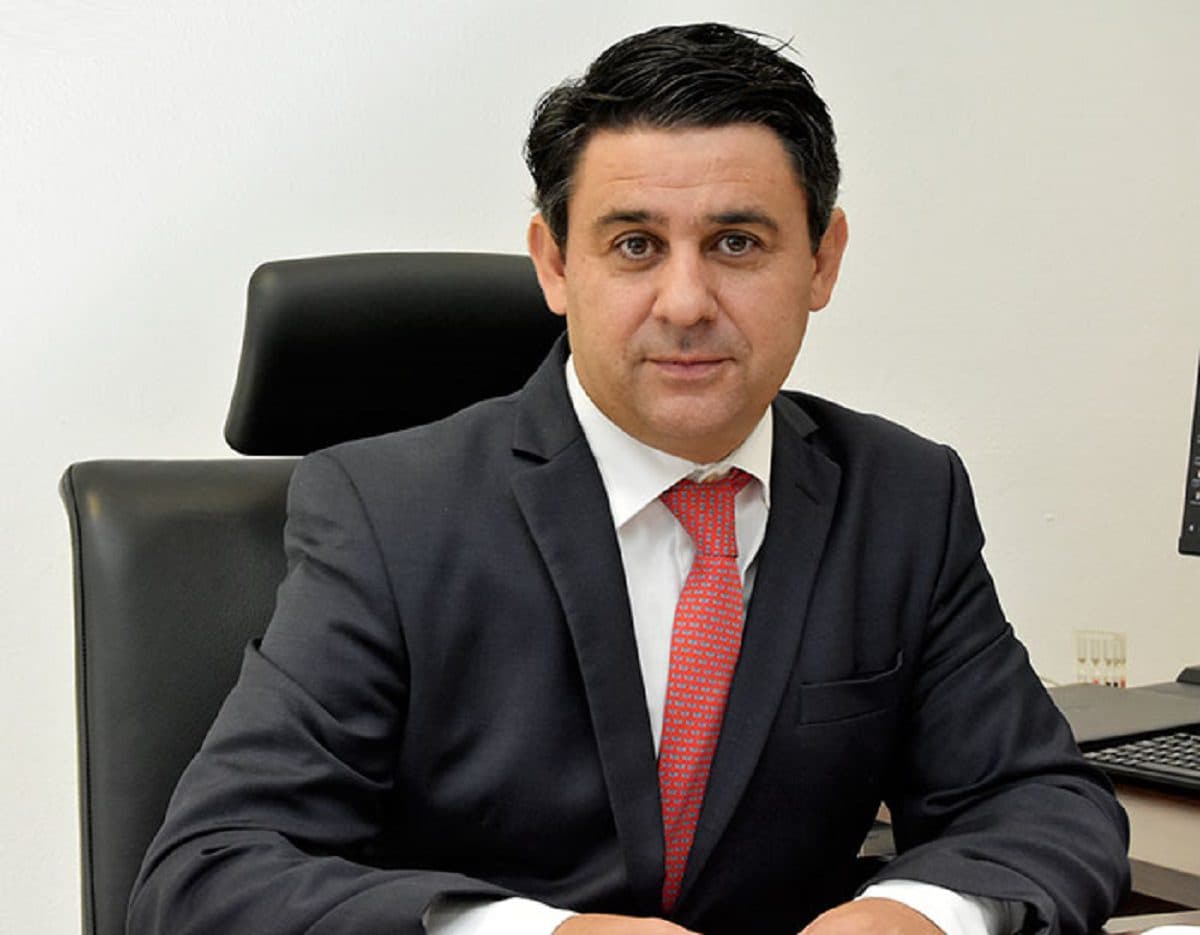
Unveiled publicly on September 15, 2026, at the prestigious Pavilhão de Portugal in **Lisbon**, the AHDPP's "National Housing Manifesto" critically reframes the housing crisis. It posits that the problem is not a deficit of debate, but rather a fundamental "absence of feasible models" for implementation. The association, spearheaded by Rui Miguel Braga, who also serves as vice-president of the Barreiro City Council, draws upon a diverse and influential group of experts. This includes figures such as António Carmona Rodrigues, former mayor of Lisbon and current president of Águas de Portugal, and Miguel Saraiva, founder of one of Portugal's most esteemed architectural ateliers, alongside other specialists from legal, academic, and financial backgrounds.
Rui Miguel Braga articulates that the current housing crisis is, to a significant extent, a systemic issue stemming from a lack of cohesive articulation between sectors that have traditionally operated in isolation. He unequivocally asserts a transformative position: "Affordable housing can be a source of revenue for the State, and not a perpetual cost." This paradigm shift advocates for the strategic mobilization of public land through surface rights, ensuring it remains within the public sphere. Upon this land, affordable housing would be constructed utilizing institutional capital, with the rents paid by families—calibrated to be compatible with Portuguese salaries—designed to remunerate the initial investment and generate surpluses. Crucially, these surpluses would be retained within the system and reinvested, thereby fueling the continuous development of additional affordable housing units. This innovative approach seeks to create a virtuous cycle of housing provision and value generation.
## Strategic Market Implications for Foreign Investors
The comprehensive proposals put forth by the AHDPP carry profound strategic implications for foreign investors actively engaged in or considering Portugal's real estate market. This is particularly pertinent for those with an interest in the affordable housing segment, public-private partnerships, or impact investing. The fundamental concept of repositioning affordable housing as a revenue-generating asset for the state could fundamentally reshape existing investment models and unlock a new frontier of opportunities.
For institutional and private investors alike, the proposed national investment fund for accessible housing, explicitly designed to be self-financing, represents a potentially stable and predictable avenue for capital deployment. This innovative framework, which aims to significantly reduce the reliance on volatile annual state budgets, offers a more robust and sustainable structure for the execution of large-scale housing projects. Such initiatives are also poised to stimulate substantial demand for construction companies [https://www.realestate-lisbon.com/construction-companies] that possess the capacity for industrializing building processes, thereby creating a ripple effect of opportunities across the construction supply chain. Furthermore, the emphasis on long-term asset management and reinvestment aligns with the objectives of patient capital seeking sustainable returns.
The AHDPP's advocacy for the industrialization of construction, coupled with a focus on achieving scale and predictability of demand, signals a strategic pivot towards more efficient, cost-effective, and rapid building methodologies. This forward-thinking approach is highly attractive to investors seeking opportunities in modular construction, prefabrication, or other innovative building technologies, as it promises to significantly reduce project timelines and associated costs. Moreover, the introduction of the new Simplified Regime for Accessible Rent (RSAA), which came into effect on September 1, is specifically designed to instill greater confidence and stability among investors in the rental market, by streamlining processes and offering clearer regulatory frameworks. This combination of policy innovation and technological advancement creates a compelling environment for strategic investment in Portugal's evolving housing sector.
## AHDPP's Transformative Vision for Housing
The Association for Housing and Development for Portugal (AHDPP) was founded upon a deep-seated conviction that Portugal possesses the requisite technical expertise, institutional infrastructure, available capital, and human talent to effectively resolve its protracted housing crisis. The association critically identifies the core impediment not as a scarcity of resources, but rather as the absence of a truly viable and scalable model for implementation—a void it now endeavors to fill with its comprehensive proposals.
At the heart of the AHDPP's vision is a model designed to exponentially increase the supply of affordable housing without simultaneously escalating public debt, ensuring its replicability across the entire national territory. By fundamentally re-conceptualizing housing as an asset that generates tangible value for the State and fosters long-term stability for families, the AHDPP aims to cultivate a sustainable ecosystem. This ecosystem is envisioned to benefit both the public and private sectors, fostering a much-needed greater articulation and collaboration between them. This integrated approach seeks to move beyond fragmented, short-term solutions towards a cohesive, enduring strategy for housing provision.
## Evolving Landscape of Portuguese Housing Policy
Historically, Portugal's public housing policy has predominantly framed housing as an expenditure, relying heavily on subsidies, finite budgetary allocations, and time-limited programs. The AHDPP champions a new generation of policies that fundamentally challenges and alters this traditional perspective, advocating for the strategic utilization of public land as a valuable, long-term asset capable of generating sustained revenue.
Several critical and interconnected factors are currently shaping the dynamics of Portugal's housing market, creating both challenges and opportunities:
• **Elevated Property Prices**: The persistent upward trend in property values, particularly pronounced in major urban centers such as **Lisbon** and **Porto**, continues to render homeownership increasingly unattainable for a significant portion of middle-class families and expatriates.
• **Acute Affordable Supply Deficit**: There is a substantial and growing shortfall in the availability of genuinely affordable rental and purchase options across the country, exacerbating social and economic pressures.
• **Construction Sector Constraints**: The industry faces significant headwinds, including a scarcity of qualified labor, escalating construction material costs, and protracted licensing processes, all of which impede the rapid expansion of housing supply.
• **Regulatory Flux and Uncertainty**: Frequent shifts in housing regulations and often lengthy, unpredictable licensing procedures create an environment of uncertainty for both developers and institutional investors, impacting project planning and execution timelines.
The AHDPP's innovative model, drawing inspiration from highly successful and established systems in countries like Austria and the Netherlands, proposes the creation of a national fund that is designed to be self-financing through the generation of rental income. This income would then be systematically reinvested to continuously expand the affordable housing stock. This approach represents a stark and deliberate departure from traditional subsidy-based models, offering a more resilient and economically sustainable pathway to addressing the housing crisis.
## Strategic Investment Considerations for Foreign Capital
For foreign investors, the comprehensive proposals articulated by the AHDPP illuminate a potential, significant shift in Portugal's overarching housing policy. This shift could, in turn, create novel and compelling avenues for both socially responsible and financially viable investments. The explicit focus on long-term, self-financing models for affordable housing presents a unique and attractive opportunity for capital deployment, particularly for those seeking to align their investments with broader societal impact.
Investors are strongly advised to closely monitor the ongoing implementation of the new Simplified Regime for Accessible Rent (RSAA) and the trajectory of AHDPP's discussions with governmental bodies. A nuanced understanding of the evolving regulatory framework and the burgeoning potential for public-private partnerships will be absolutely crucial for strategic decision-making. Engaging with specialized professionals, such as English-speaking real estate lawyers [https://www.realestate-lisbon.com/english-speaking-lawyers] who possess expertise in property acquisition and the intricacies of the NHR tax regime [https://www.realestate-lisbon.com/professionals/accountants-nhr-tax-regime], can provide essential, tailored guidance on navigating these complex policy changes and their direct impact on investment strategies. Furthermore, platforms like HomeOS's Simplex 2024 guide [https://www.homeos.pt/simplex-2024/] can offer critical insights into the documentary due diligence required under new liability frameworks, ensuring investors are fully informed before committing to new projects.
## Future Outlook: A New Era for Portuguese Housing
The official launch of the AHDPP and the unveiling of its "National Housing Manifesto" represent a pivotal moment in Portugal's sustained and evolving efforts to comprehensively address its profound housing crisis. The proposed model, which fundamentally re-conceptualizes affordable housing as a strategic investment capable of generating long-term value rather than a perpetual cost, offers a fresh, pragmatic, and potentially transformative perspective on this multifaceted challenge.
As constructive dialogues with the government, various municipalities, and influential European institutions continue to advance, there is a tangible potential for the emergence of a more structured, predictable, and ultimately sustainable approach to housing development across Portugal. This forward momentum is anticipated to foster a more resilient and attractive real estate market for both domestic and international stakeholders. For unparalleled expert insights into these critical policy developments and their far-reaching implications for strategic real estate investment in Portugal, we strongly recommend contacting realestate-lisbon.com [https://www.realestate-lisbon.com/].