Cascais Luxury Real Estate: Rua das Faias Leads Portugal's Most Exclusive Addresses
By Pieter Paul Castelein
Published: August 18, 2026
Category: market-trends
### Cascais Luxury Real Estate: Rua das Faias Leads Portugal's Most Exclusive Addresses
In a significant development for **Portugal**'s high-end property sector, **Cascais** has solidified its position as the nation's premier luxury destination. Recent data from **Idealista** reveals that **Rua das Faias** is now officially the most expensive street in the country, with median property prices reaching a staggering **4.35 million euros**. This transaction underscores the continued strength and appeal of the Portuguese luxury market to international high-net-worth individuals.
### Key Takeaways
• ✓ Rua das Faias in Cascais is Portugal's most expensive street (€4.35M median)
• ✓ Cascais dominates the top 10 list, holding multiple positions including second and fourth
• ✓ Algarve's Vale do Lobo remains a top contender for luxury investment
• ✓ Extreme price concentration reflects high international demand for prime locations
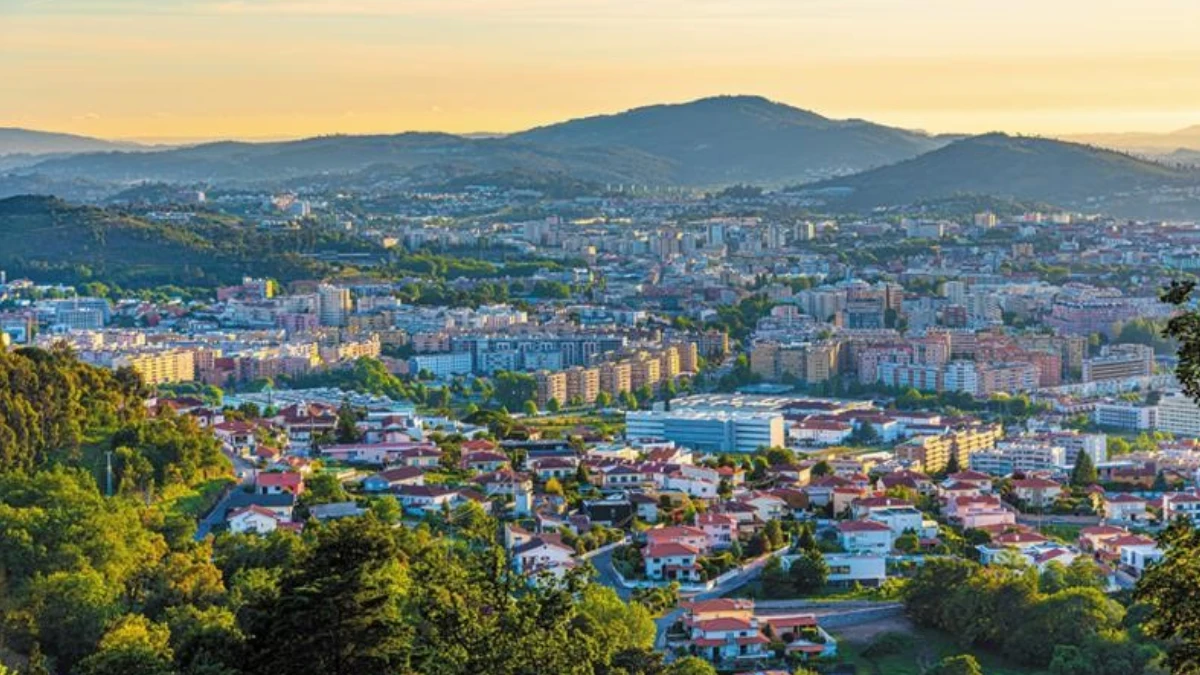
The dominance of **Cascais** in the luxury rankings is no surprise to seasoned investors. Situated just west of Lisbon, this coastal enclave offers a unique combination of historic charm, modern amenities, and exceptional privacy. The area's appeal is further enhanced by its proximity to world-class golf courses, marinas, and international schools, making it a top choice for luxury property buyers [https://www.realestate-lisbon.com/professionals/real-estate-agents-luxury-properties] seeking a primary residence or a high-yield holiday home.
Beyond the top-tier streets, the entire municipality of Cascais continues to see robust demand. Investors looking for similar prestige often explore our Cascais vs. Estoril guide [https://www.realestate-lisbon.com/guides/cascais-vs-estoril-a-luxury-property-buyers-guide] to understand the subtle differences in market dynamics between these two neighboring high-end locations. While Cascais offers a more vibrant, town-center feel, Estoril is often preferred for its quieter, more traditional residential atmosphere.
The concentration of these high-value streets within a small geographic area highlights the "cluster effect" of luxury real estate in Portugal. When wealth concentrates in specific micro-locations, it creates a self-reinforcing cycle of prestige and value preservation, which is a critical consideration for long-term capital growth strategies.
## Market Implications for Investors
The concentration of wealth in specific streets like Rua das Faias and Rua das Violetas carries important implications for **luxury real estate investors**. These price points demonstrate the resilience of the ultra-prime segment, which often operates independently of broader economic fluctuations. This **market signal** suggests that trophy assets in Cascais remain a safe haven for capital, particularly for those looking to diversify away from more volatile asset classes.
For those analyzing market insights [https://www.realestate-lisbon.com/market-insights], the data underscores the importance of micro-locations. Even within a prestigious municipality, specific streets can command significant premiums due to factors like plot size, sea views, or architectural heritage. Investors should use ROI calculators [https://www.realestate-lisbon.com/calculators/investment-analyzer] to model potential returns, keeping in mind that in the luxury segment, capital appreciation often outweighs immediate rental yields.
The presence of the **Algarve** in the top three also highlights the continued strength of Portugal's southern coast as a secondary investment hub. However, the sheer number of Cascais entries in the top 10 reinforces the capital region's status as the primary focus for high-net-worth individuals. The liquidity of the Cascais market is generally higher than that of the Algarve, as it serves both a local and international year-round population.
Furthermore, the high median prices indicate a market that is increasingly professionalized. Sellers in these areas are well-informed, and buyers are often represented by sophisticated international real estate agents [https://www.realestate-lisbon.com/professionals/real-estate-agents-international-clients]. This level of market maturity provides a more transparent environment for foreign investors compared to emerging or less-developed regions.
## Cascais's Market Position
**Cascais** has successfully transitioned from a traditional summer retreat for the Portuguese elite to a year-round international hub. The municipality's track record in maintaining high standards of urban planning, security, and public services has been a key driver of its long-term property value growth. The local government's commitment to sustainability and innovation further enhances its appeal to modern investors.
This background establishes why Cascais is often the first port of call for international real estate clients [https://www.realestate-lisbon.com/professionals/real-estate-agents-international-clients]. The area's ability to attract global wealth ensures a liquid market for premium assets, even at multi-million euro price points. The presence of a diverse, cosmopolitan community makes it an easy transition for expats from around the world.
## Portugal Luxury Market Context
The luxury market in Portugal is characterized by a significant supply-demand imbalance. While demand from foreign buyers remains high, the availability of prime land and high-quality existing stock is extremely limited, particularly in established areas like the "Golden Triangle" of Cascais, Estoril, and Sintra.
Several factors continue to support the luxury property sector:
• **International Demand**: Continued interest from North American, Brazilian, and European investors seeking safe-haven assets
• **Lifestyle Quality**: Portugal's consistently high rankings for safety, climate, and healthcare infrastructure
• **Asset Scarcity**: Extremely limited inventory of large villas and modern apartments in prime coastal locations
• **Economic Stability**: Portugal's position as a stable, pro-business EU member state with attractive residency options
These factors combine to create a supportive environment for high-end real estate, particularly for properties that offer unique features, exceptional privacy, or historical significance. Investors are increasingly looking at off-plan developments in Cascais [https://www.realestate-lisbon.com/off-plan/cascais] to secure modern luxury units that meet contemporary standards of energy efficiency and smart home technology.
The broader market context also includes the impact of the **Simplex 2024** regulations, which aim to streamline licensing. However, in prime areas like Cascais, the impact on supply may be limited by the lack of developable land, further reinforcing the value of existing high-end stock.
## Investment Considerations
For investors targeting the **ultra-luxury segment**, the primary consideration is the long-term preservation of value. However, entering at these price points requires meticulous due diligence. It is essential to cross-reference asking prices against independent fair price indicators [https://www.homeos.pt/comprar/preco/preco-justo/] to ensure the investment aligns with current market realities and isn't inflated by speculative hype.
Consulting with English-speaking real estate agents [https://www.realestate-lisbon.com/english-speaking-agents] who specialize in the Cascais market is vital for accessing off-market opportunities and understanding the nuances of specific neighborhoods. Additionally, buyers should consider pre-purchase inspections [https://www.realestate-lisbon.com/professionals/home-inspectors-pre-purchase-inspections] to verify the structural integrity and technical systems of older luxury estates, which can carry significant maintenance liabilities.
Investors should also be aware of the tax implications of high-value acquisitions, including **IMT** and **Stamp Duty**. Using a real cost calculator [https://www.homeos.pt/comprar/preco/custo-real/] can help in modeling the total acquisition cost, ensuring that the investment remains within strategic parameters.
## Looking Ahead
The outlook for the Cascais luxury market remains positive, driven by its unique geographic advantages and established reputation as a global elite destination. As global wealth continues to seek out safe, high-quality living environments with strong rule of law, prime Portuguese addresses are well-positioned to maintain their elite status and continue their trajectory of capital appreciation.
For stakeholders in the luxury sector, these rankings provide a clear roadmap of where the most significant value is concentrated. The ongoing investment in local infrastructure and the continued influx of international businesses to the region will likely support these price levels in the years to come. For expert guidance on luxury property acquisition in Cascais and identifying the most promising investment opportunities, contact realestate-lisbon.com [https://www.realestate-lisbon.com/].