Barreiro's Untapped Potential: A Strategic Look at Urban Development and Investment Opportunities in Lisbon's Metropolitan Area
By Mihail Talev
Published: October 15, 2026
Category: general
### Barreiro's Untapped Potential: A Strategic Look at Urban Development and Investment Opportunities in Lisbon's Metropolitan Area
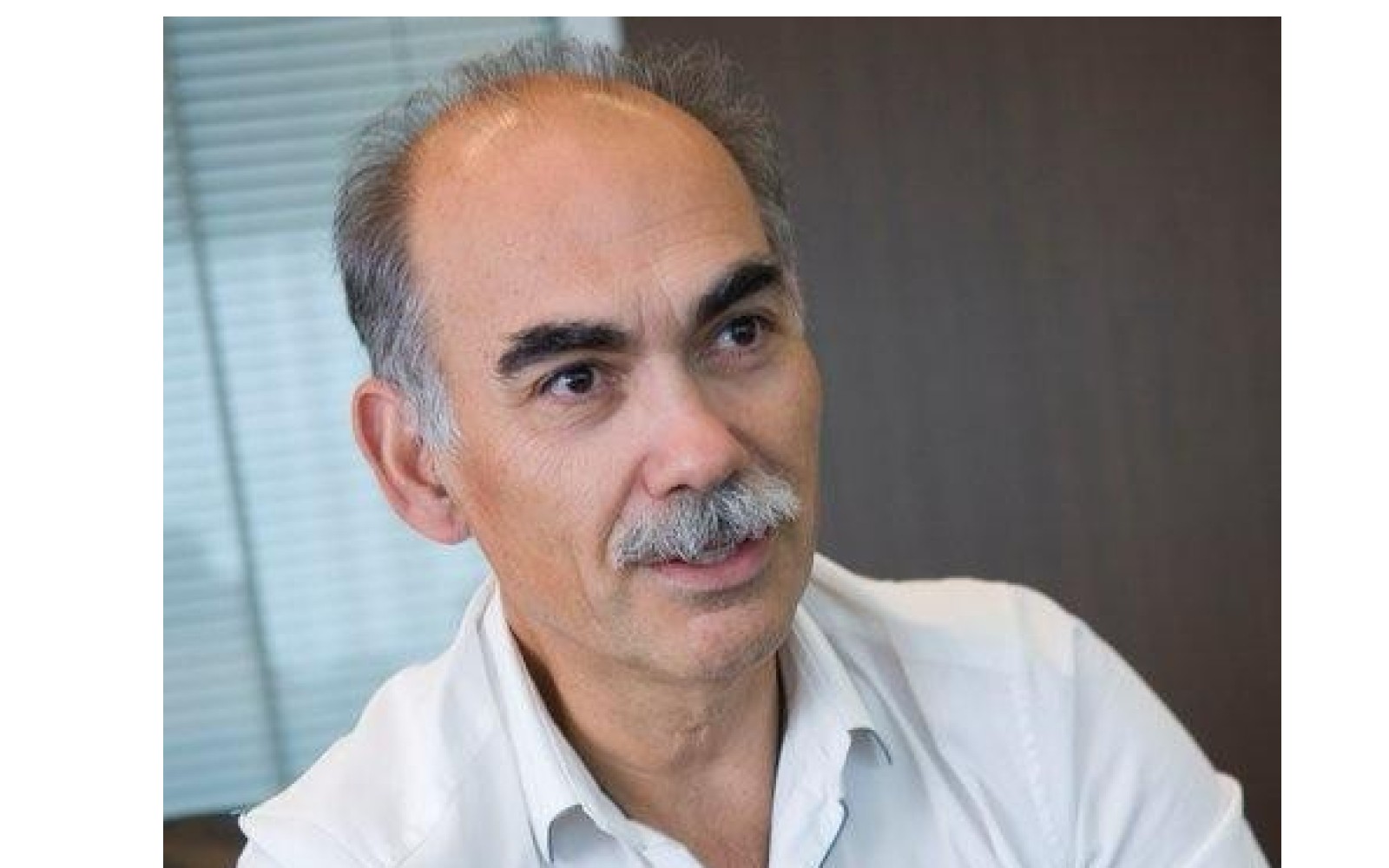
In a compelling and incisive analysis, António Matias Lopes, an academic residing in Munich, offers a critical perspective on **Barreiro**, a municipality strategically positioned within the **Lisbon Metropolitan Area**. His discourse transcends mere observation, presenting a robust argument for Barreiro to transcend its current state of passive anticipation and proactively harness its substantial, yet largely dormant, potential for urban development and strategic investment. The article's comparative framework with Munich serves as a powerful call to action, underscoring the imperative for decisive and ambitious municipal leadership.
### Key Takeaways
• ✓ Barreiro possesses significant, underutilized potential in its extensive riverfront, unique industrial heritage, and strategic geographical location.
• ✓ Transformative infrastructure projects, including the proposed **Third Tagus Crossing** and a new airport, are poised to radically redefine the municipality's economic and connectivity landscape.
• ✓ The analysis advocates for a paradigm shift towards proactive urban planning, technically proficient management, and a heightened sense of ambition to effectively attract and integrate foreign investment.
• ✓ The successful urban development and investment attraction strategies of cities like Munich serve as a compelling benchmark for Barreiro's future growth trajectory.
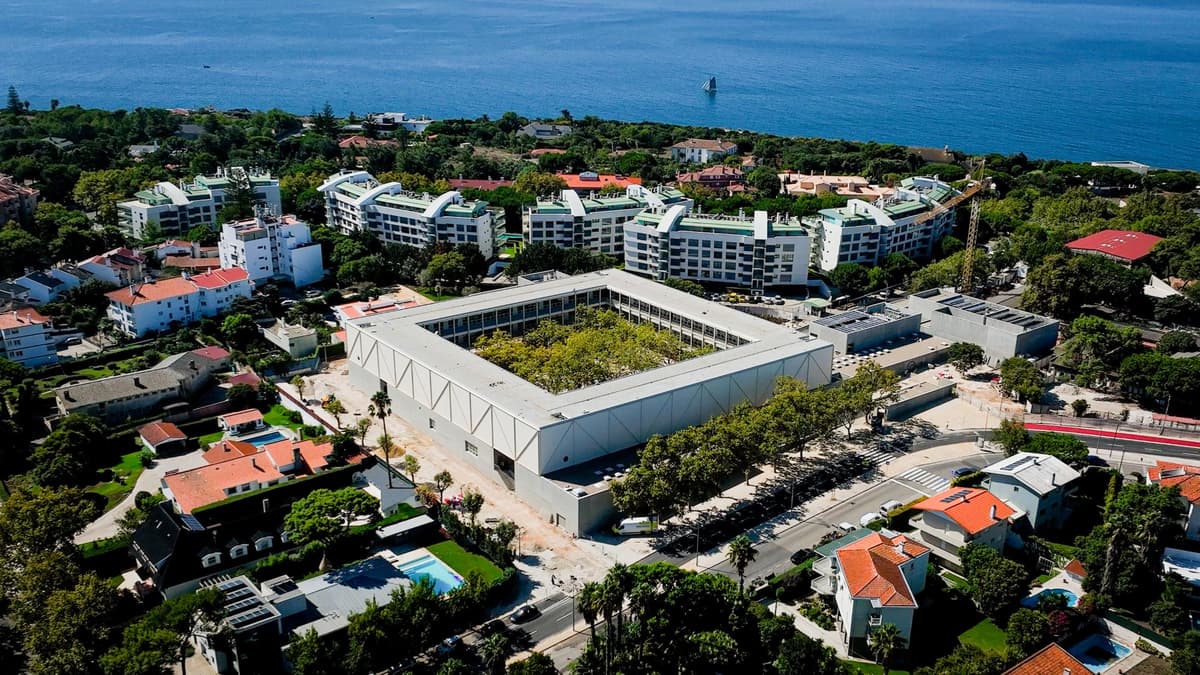
**Barreiro**, a municipality of considerable strategic importance within the broader **Lisbon Metropolitan Area**, is distinguished by its unique geographical attributes. Its expansive riverfront along the Tagus estuary, coupled with a rich and singular industrial heritage, collectively present a distinctive character and an enviable quantum of undeveloped territory—a rare commodity among its more densely populated metropolitan counterparts. This intrinsic locational advantage is on the cusp of radical transformation, primarily driven by the anticipated realization of the **Third Tagus Crossing** and the development of a new international airport. These monumental infrastructure projects are projected to fundamentally redefine Barreiro's regional connectivity, significantly enhancing its accessibility to **Lisbon** and the wider national and international networks, thereby catalyzing profound economic and demographic shifts.
Beyond its physical attributes, Barreiro's historical identity, deeply embedded in its working-class ethos and vibrant associative memory, constitutes a valuable cultural asset. This confluence of natural endowments, a tangible industrial legacy, and the promise of future-defining infrastructure positions Barreiro as an exceptionally compelling area for strategic urban development and long-term investment. However, the article critically observes that this substantial potential remains largely unrealized, languishing in a state of passive expectation, awaiting the emergence of decisive leadership and a clear, actionable vision to unlock and propel its inherent growth trajectory. For foreign investors, this context signals a unique opportunity to engage with a market segment poised for significant appreciation, provided the right catalysts are activated.
## Market Implications for Foreign Investors
For discerning foreign investors, António Matias Lopes's analysis of Barreiro's latent potential offers a compelling, albeit nuanced, narrative of future growth. The explicit mention of the **Third Tagus Crossing** and a new airport are not merely aspirational projects; they represent critical, tangible indicators of future infrastructure-driven appreciation in both property values and broader economic activity. Should these projects materialize, they are poised to fundamentally enhance Barreiro's strategic accessibility to **Lisbon** and the wider region, thereby elevating its attractiveness as a prime location for both residential and commercial real estate investments.
The article implicitly, yet powerfully, suggests that strategic, early-stage investment in areas earmarked for such transformative infrastructural upgrades could yield substantial long-term capital appreciation. However, it simultaneously underscores the inherent risks associated with the municipality's current "lethargy" and its perceived over-reliance on external, often national-level, decisions. Investors are therefore advised to meticulously monitor local governance, scrutinize municipal development plans (PDM [https://www.realestate-lisbon.com/barreiro/pdm]), and actively seek concrete evidence of proactive strategies designed to unlock this potential. The compelling comparison with Munich's demonstrable success in attracting and integrating investment through meticulous strategic planning serves as a potent blueprint for what Barreiro could realistically achieve with focused ambition and decisive action. This perspective is crucial for investors seeking to capitalize on future growth while mitigating the risks of delayed or unfulfilled potential, as further elaborated in comprehensive market insights [https://www.realestate-lisbon.com/market-insights].
## Barreiro's Development Trajectory and Leadership Imperatives
The central thesis of António Matias Lopes's discourse critically examines Barreiro's current developmental stasis, characterized by a posture of "waiting" for external directives, a stark contrast to the dynamic, proactive urban management exemplified by cities such as Munich. This passive stance, which prioritizes reliance on monumental national infrastructure projects—such as the proposed bridge and airport—over the cultivation of internal strategic planning and local initiative, is identified as a significant impediment to the municipality's holistic development. The author, drawing upon his academic background as a PhD student in Sociology of Cities and Urban Cultures, provides an insightful, scholarly perspective, emphasizing the critical importance of converting a city's symbolic capital—its reputation and inherent advantages—into tangible, actionable investment and future growth.
The article posits that while Barreiro is endowed with intrinsic advantages—its unique riverfront, rich industrial heritage, and substantial available territory—these assets remain largely underutilized. This underperformance is attributed to a perceived deficit in local ambition and a scarcity of proactive agents capable of galvanizing action and transforming an expectant territory into a vibrant, self-determining urban project. This contextual understanding is paramount for foreign investors. While the inherent potential is undeniably high, the actualization of that potential is inextricably linked to a fundamental shift in local governance, demanding a more assertive and strategic approach to attracting, integrating, and managing both domestic and international investment. The absence of such a proactive framework represents a significant risk factor that must be carefully weighed in any investment calculus.
## Broader Market Context: Lisbon Metropolitan Area's Evolving Dynamics
Barreiro's current developmental paradigm is not an isolated phenomenon but rather a microcosm of broader, evolving dynamics within the highly competitive **Lisbon Metropolitan Area**. Across this expansive region, various municipalities are actively engaged in a vigorous competition for foreign investment, talent, and sustainable urban development. The article draws a crucial distinction between urban centers that proactively formulate and execute strategic plans to attract capital and foster growth, and those that passively await external catalysts to dictate their trajectory. The compelling reference to **EXPO REAL**, one of the world's foremost real estate and investment fairs, powerfully underscores the intensely competitive nature of contemporary urban development. At such global platforms, cities of Barreiro's scale, and even smaller, actively present meticulously crafted projects and vigorously compete for essential funding and strategic partnerships.
Several critical factors are universally acknowledged as indispensable for successful urban development and the effective attraction of investment:
• **Strategic Urban Planning**: The formulation of a clear, long-term vision, underpinned by detailed and actionable plans, is absolutely essential for guiding sustainable development and effectively attracting both domestic and international capital.
• **Technically Proficient Management**: The implementation of efficient, transparent, and discreet public service management, with an unwavering focus on operational functionality rather than self-promotional endeavors, is fundamental in fostering an environment conducive to business and investment.
• **Continuity of Vision and Leadership**: Consistent leadership, coupled with sustained and concerted effort over extended periods, is a prerequisite for the successful realization of large-scale urban transformation projects and the achievement of long-term strategic objectives.
• **Proactive Investment Attraction**: A dynamic and proactive engagement with potential investors, coupled with the compelling presentation of viable and well-structured projects, is the cornerstone for securing the necessary capital and fostering economic growth.
The article cogently argues that Barreiro, despite its inherent and undeniable advantages, must assiduously cultivate these critical attributes to effectively compete within the highly dynamic metropolitan context. This strategic imperative is essential for converting its substantial latent potential into tangible economic prosperity and meaningful social progress.
## Strategic Investment Outlook for Barreiro
For foreign investors meticulously evaluating opportunities within the expansive **Lisbon Metropolitan Area**, Barreiro presents a unique and compelling proposition: a municipality characterized by significant latent value, poised for activation. The profound potential for transformative development, primarily driven by monumental infrastructure projects such as the proposed **Third Tagus Crossing** and a new international airport, positions Barreiro as an exceptionally attractive long-term investment prospect. However, the current reliance on external, often national-level, decisions necessitates a judicious, cautious, yet thoroughly informed approach to investment.
Discerning investors are strongly advised to undertake a comprehensive review of the municipal master plan (PDM [https://www.realestate-lisbon.com/barreiro/pdm]) and to meticulously track any forthcoming development initiatives. Engaging with highly experienced English-speaking real estate agents [https://www.realestate-lisbon.com/english-speaking-agents] who possess profound local knowledge of Barreiro's specific market dynamics and its identified future growth corridors is not merely advisable but essential. The article's emphatic emphasis on proactive planning and ambitious leadership suggests that investments strategically aligned with a clear, forward-thinking municipal development strategy will be optimally positioned for sustained success and significant capital appreciation. Furthermore, for investors seeking to understand the full scope of property legality and compliance, particularly in areas undergoing significant transformation, platforms like HomeOS's legal verification tools [https://www.homeos.pt/comprar/proteger/legalidade-do-imovel/] offer invaluable resources for comprehensive due diligence.
## Catalyzing Barreiro's Future
**Barreiro** stands at a pivotal juncture, possessing the distinct opportunity to transition from a municipality that passively awaits its destiny to one that actively and decisively shapes its own future. The full realization of its inherent and undeniable advantages—its extensive riverfront, unique industrial heritage, and strategic geographical location—is fundamentally contingent upon the adoption of ambitious, forward-thinking planning and the implementation of highly effective governance. The compelling lessons gleaned from the developmental trajectories of successful urban centers like Munich powerfully underscore that a city's size is ultimately less critical than the clarity of its vision and its demonstrated capacity to attract, integrate, and judiciously manage strategic investment.
For all stakeholders and prospective investors, Barreiro unequivocally represents a significant opportunity for substantial long-term value creation. This potential, however, is predicated on the unwavering commitment of local leadership to embrace a proactive, strategic, and meticulously planned approach to urban development. The future success of Barreiro will serve as a profound testament to its ability to effectively convert its vast latent potential into tangible economic prosperity and meaningful social progress. For unparalleled expert guidance on navigating the intricate investment opportunities within Barreiro and the wider Lisbon Metropolitan Area, contact realestate-lisbon.com [https://www.realestate-lisbon.com/].