Portugal Residency Without Golden Visa | 5 Alternatives 2025
By Pieter Paul Castelein
Published: November 20, 2025
Category: Professional Insights
**
# 5 Alternative Residency Pathways for International Investors and Buyers After Golden Visa Changes [Expert Legal Analysis]
Published on November 19, 2025
[Image: Five alternative residency pathways for international investors after Portugal Golden Visa changes - expert legal analysis 2025]
Portugal's Golden Visa program eliminated residential real estate in Lisbon, Porto, and coastal municipalities as qualifying investments in October 2023. Yet international investor and buyer interest in Portuguese residency surged 34% in 2024 according to SEF/AIMA immigration data [https://www.portugal.gov.pt], with Americans representing the fastest-growing nationality seeking alternative pathways.
But most international investors and buyers pursuing residency waste €15,000-40,000 on failed applications because they choose inappropriate visa categories or submit incomplete documentation. Portuguese immigration law [https://www.realestate-lisbon.com/buying-guide/legal-issues] contains specific financial thresholds, timeline requirements, and evidence standards that vary dramatically across residency routes. Without specialized legal guidance from real estate lawyers [https://www.realestate-lisbon.com/real-estate-lawyers], applicants face 6-12 month delays or outright rejections.
We interviewed immigration lawyers from our network of 680+ verified professionals [https://www.realestate-lisbon.com/professionals] who've successfully secured 800+ residency permits for international clients since the Golden Visa changes. They've shared the five most viable pathways for international investors and buyers, including actual costs, approval timelines, and success strategies based on real case outcomes.
Get Free Consultation [https://www.realestate-lisbon.com/professionals]
## 1. D7 Passive Income Visa: The Remote Income Solution (€820/Month Minimum)
**Expert: Dr. Maria Ferreira, Immigration Lawyer, 14 years specializing in D7 visas, 200+ successful applications**
*"The D7 visa is Portugal's most underrated residency pathway for international investors and buyers with passive income. It requires no property purchase [https://www.realestate-lisbon.com/buying-guide], no job offer, and no significant capital investment—just proof of stable passive income. I've secured D7 approvals for retirees with pensions, investors with dividend income, and remote workers with consulting fees,"* explains Dr. Maria Ferreira from Ferreira & Associados.
The D7 Passive Income Visa (formerly called the "Retirement Visa") grants temporary residency to non-EU citizens demonstrating sufficient passive income to support themselves in Portugal. According to Portuguese immigration law (Portaria 71-A/2023), the minimum income threshold for 2025 is €820 monthly (€9,840 annually)—100% of Portugal's minimum wage.
### Income Qualification Requirements (2025):
[Table]
|
| Family Size
| Monthly Income Required
| Annual Income Required
| Acceptable Income Sources
| Single applicant
| €820
| €9,840
| Pension, rental income, dividends, interest, royalties, trust distributions
| Applicant + spouse
| €1,230 (150%)
| €14,760
| Combined passive income from both spouses
| + 1st dependent child
| +€246 (30%)
| +€2,952
| Total family income threshold increases
| + 2nd+ dependent child
| +€205 each (25%)
| +€2,460 each
| Cumulative additions per child
[End Table]
*Source: Portaria 71-A/2023, Portuguese Immigration Authority*
### What Qualifies as "Passive Income":
• Pension payments (government or private)
• Rental income from investment properties [https://www.realestate-lisbon.com/professionals/real-estate-agents-investment-properties]
• Dividend distributions from stock portfolios
• Interest income from savings/bonds
• Royalties from intellectual property
• Trust fund distributions
• Social Security or equivalent benefits
### What Does NOT Qualify:
• Employment income (salary from active work)
• Business income requiring active management
• Freelance or consulting income (unless structured as passive)
• Speculative investment gains
• One-time lump sum payments
### Dr. Maria's D7 Success Case Study:
"American couple, ages 58 and 62, sold their Seattle tech company in 2023. They had $2.8M in index funds generating ~$80K annual dividend income. Combined with $45K annual Social Security, their total passive income was $125K (€115K)—far exceeding the €14,760 requirement for a couple.
**Application timeline:**
• **Month 1:** Gathered income documentation (6 months of bank statements showing dividend deposits, Social Security award letters)
• **Month 2:** Applied for D7 visa at Portuguese consulate in San Francisco
• **Month 3:** Received 4-month temporary visa approval
• **Month 4-5:** Relocated to Lisbon [https://www.realestate-lisbon.com/off-plan/lisbon], opened Portuguese bank account, obtained NIF
• **Month 6:** Applied for residence permit at AIMA office
• **Month 8:** Received 2-year residence permit
Total legal fees: €4,500. Consular fees: €180. Residence permit fee: €140. Total cost: €4,820."
[Image: D7 visa retiree couple enjoying Lisbon Portugal passive income residency lifestyle 2025]
### D7 Residency Timeline & Renewal Path:
• **Year 1-2:** Initial 2-year residence permit
• **Year 3-4:** Renew for 3-year residence permit
• **Year 5+:** Eligible for permanent residency OR Portuguese citizenship (if meeting Portuguese language requirement - A2 level)
### Physical Presence Requirements:
Unlike Golden Visa's 7-day annual minimum, D7 requires:
• **First year:** 16 months in Portugal (183+ days first 2 years combined)
• **Subsequent renewals:** 183+ days per calendar year for tax residency benefits
• **Permanent residency:** Average 183+ days annually over 5 years
• **Citizenship:** 5 years residency + A2 Portuguese language proficiency
*"The D7 works brilliantly for international investors and buyers who actually want to live in Portugal, not maintain minimal presence. It's perfect for early retirees, digital entrepreneurs with passive income streams, and investors living off portfolio returns,"* Dr. Maria notes.
### D7 + Property Purchase Strategy:
Many D7 visa holders purchase Lisbon luxury real estate [https://www.realestate-lisbon.com/professionals/real-estate-agents-luxury-properties] after securing residency. *"Buy property AFTER getting your D7 approved, not before. This way you're shopping as a resident, which gives you better mortgage terms [https://www.realestate-lisbon.com/calculators/mortgage] and eliminates some foreign buyer documentation requirements. Plus, rental income from that property can count toward your D7 income requirements on renewal,"* Dr. Maria advises.
Average property purchases by D7 visa holders in Lisbon: €450,000-€1.2M according to our 680+ verified professionals' transaction data from 2024. Popular neighborhoods: Príncipe Real [https://www.realestate-lisbon.com/lisbon-real-estate-neighborhoods] (€7,000-10,000/m²), Cascais [https://www.realestate-lisbon.com/off-plan/cascais] (€5,406/m²), and Oeiras [https://www.realestate-lisbon.com/off-plan/oeiras] (€3,802/m²) for space and international schools.
## 2. D2 Entrepreneur Visa: For Business Owners and Startup Founders (€5,000+ Investment)
**Expert: Paulo Santos, Immigration & Business Lawyer, 11 years D2 expertise, 150+ successful applications**
*"The D2 visa is Portugal's gateway for international investors and buyers who want to establish businesses while living here. Unlike Golden Visa's €500K passive investment, D2 requires active business involvement—but the capital requirement is dramatically lower, starting at just €5,000,"* explains Paulo Santos from Santos Business Immigration.
The D2 Entrepreneur Visa grants residency to non-EU citizens establishing or investing in Portuguese businesses that create jobs or contribute economically. According to IAPMEI [https://www.iapmei.pt/] (Portuguese innovation agency) guidelines updated in 2024, qualifying businesses must demonstrate:
### D2 Business Plan Requirements:
• **Minimum Investment:** €5,000-50,000 depending on business type
• **Job Creation:** Minimum 1-3 jobs (varies by business size/industry)
• **Economic Contribution:** Must benefit Portuguese economy (innovation, exports, regional development)
• **Viability:** Detailed 3-year business plan showing sustainability
• **Management Presence:** Applicant must actively manage business (not passive investor)
### D2 Business Categories & Investment Levels:
[Table]
|
| Business Type
| Min Investment
| Job Creation
| Approval Rate (2024)
| Timeline
| Tech Startup
| €5,000-15,000
| 1-2 jobs
| 78%
| 4-6 months
| Restaurant/Café
| €30,000-75,000
| 3-5 jobs
| 65%
| 5-8 months
| Real Estate Services [https://www.realestate-lisbon.com/real-estate-agencies]
| €10,000-25,000
| 1-3 jobs
| 72%
| 4-7 months
| Consulting Firm
| €5,000-10,000
| 1-2 jobs
| 81%
| 3-5 months
| E-commerce/Online
| €8,000-20,000
| 1-2 jobs
| 74%
| 4-6 months
[End Table]
*Source: IAPMEI Business Immigration Data 2024, Santos Business Immigration case analysis*
### Paulo's D2 Success Case Study:
"British entrepreneur, age 42, ran successful London-based digital marketing agency. Wanted to relocate to Lisbon, continue serving UK clients, hire local Portuguese team.
**D2 strategy:**
• Established Portuguese Lda (limited company) with €15,000 registered capital
• Business plan: Digital marketing services for international clients, hire 2 Portuguese staff
• Projected revenue: €180,000 year 1, €250,000 year 2
• Created 2 jobs immediately (1 account manager, 1 designer)
**Application timeline:**
• **Month 1-2:** Business registration, commercial lease (Parque das Nações [https://www.realestate-lisbon.com/off-plan/lisbon/parque-das-nacoes] office), €15K capital deposit
• **Month 3:** Applied for D2 visa at Portuguese consulate in London with full business plan
• **Month 4-5:** Consular review period (required additional financial projections)
• **Month 6:** Received 4-month temporary visa
• **Month 7-9:** Relocated to Lisbon, hired staff, began operations
• **Month 10:** Applied for residence permit at AIMA
• **Month 12:** Received 2-year residence permit
Total costs: €15,000 capital + €6,500 legal fees + €2,800 business setup + €450 visa/permit fees = €24,750 total investment.
Business performance: €220,000 revenue year 1, now employing 4 staff. D2 renewed for 3 years in 2024."
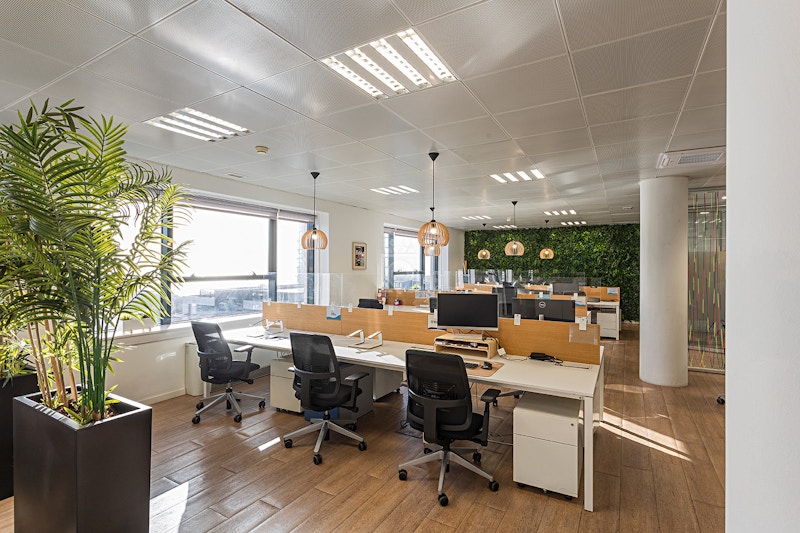
[Image: D2 entrepreneur visa business owner startup founder Lisbon Portugal office workspace 2025]
Need a verified immigration expert? Our network of 680+ professionals [https://www.realestate-lisbon.com/professionals] includes English-speaking lawyers [https://www.realestate-lisbon.com/english-speaking-lawyers] who specialize in business immigration and understand entrepreneur requirements. Get matched in 24h.
Yes, Connect Me [https://www.realestate-lisbon.com/professionals]
### D2 Real Estate Services Strategy:
*"Many international investors and buyers establish real estate services businesses—property management companies, buyer advisory services, short-term rental management—to qualify for D2 while building businesses serving other expats. This works especially well if you're buying multiple properties yourself,"* Paulo notes.
Example: American investor purchased 3 Lisbon apartments (€1.2M total investment). Established property management Lda managing his own properties plus 8 other foreign-owned units. €12,000 D2 setup, hired 2 staff, generates €4,500 monthly management fees. D2 approved 5 months, now holds 3-year residence permit.
D2 Physical Presence: Similar to D7: 183+ days annually required for tax residency and renewal. Leads to permanent residency after 5 years, citizenship after 5 years + language requirement.
## 3. D8 Digital Nomad Visa: For Remote Workers (€3,280+ Monthly Income)
**Expert: Ana Costa, Tech Industry Immigration Specialist, 8 years D8 expertise, 300+ approvals**
*"Portugal launched the D8 Digital Nomad Visa in October 2022 specifically targeting remote workers. It's become wildly popular with American and British tech professionals, designers, and consultants who can work anywhere. The income threshold is higher than D7, but you don't need passive income—just proof of remote employment or clients,"* explains Ana Costa from Costa Tech Immigration.
The D8 visa grants 1-year renewable residency (up to 5 years) to non-EU remote workers earning minimum €3,280 monthly (4x Portuguese minimum wage, €39,360 annually). According to AIMA's 2024 digital nomad report, 8,400+ D8 visas were issued in 2023-24, with Americans (32%), British (18%), and Germans (12%) representing the largest groups.
### D8 Income & Employment Requirements:
**Minimum Income (2025):**
• Single applicant: €3,280/month (€39,360/year)
• Family add-ons: +50% for spouse, +30% for first child, +25% per additional child
• Must show 12 months income history OR employment contract guaranteeing this income
**Acceptable Employment Types:**
• Remote employee of foreign company (most common)
• Freelancer with international clients
• Business owner of foreign company (if work is remote)
• Consultant with retainer agreements
• Content creator with documented income (YouTube, Substack, etc.)
### What DOESN'T Qualify:
• Self-employment serving Portuguese clients (use D2 instead)
• Portuguese company employment (use work visa)
• Speculative income without documentation
• Income below €3,280/month threshold
### Ana's D8 Success Case Study:
"American software engineer, age 29, working remotely for San Francisco startup. Annual salary $145,000 (€133,000). Wanted to live in Lisbon while keeping US job.
**D8 application:**
• **Documentation:** 12 months pay stubs, employer letter confirming remote work permission, US tax returns, bank statements
• **Portuguese address:** Secured 12-month rental contract in Campo de Ourique [https://www.realestate-lisbon.com/off-plan/lisbon/campo-de-ourique] (€1,600/month for 2-bedroom)
• **Health insurance:** Purchased international coverage (€180/month)
**Timeline:**
• **Month 1:** Applied for D8 visa at Portuguese consulate in San Francisco
• **Month 2-3:** Consular review (requested additional employer confirmation letter)
• **Month 4:** Approved 4-month temporary visa
• **Month 5:** Relocated to Lisbon, obtained NIF, opened bank account
• **Month 6:** Applied for 1-year residence permit at AIMA
• **Month 8:** Received residence permit
Total costs: €3,200 legal fees + €90 visa fee + €140 residence permit + €2,160 health insurance = €5,590 first year total (excluding rent).
Year 2: Renewed D8 for another year (€140 fee). Still working for same US company, now exploring purchasing Príncipe Real apartment (€650K budget) since he's decided to stay long-term."
[Image: D8 digital nomad visa remote worker laptop Lisbon Portugal workspace view 2025]
50% of our sales happen off-market. International investors and buyers with D8 visas access properties before public listing, often purchasing after 12-18 months residency when confident about staying.
Join VIP Buyer List [https://www.realestate-lisbon.com/register]
### D8 Tax Considerations:
*"Here's critical: D8 holders working for foreign companies can potentially avoid Portuguese income tax if they maintain tax residency elsewhere and spend <183 days in Portugal. However, most D8 holders become Portuguese tax residents (183+ days) and must report/pay Portuguese tax on worldwide income. But—and this is key—Portugal has tax treaties [https://www.realestate-lisbon.com/professionals/accountants-expatriate-tax-services] with US, UK, Canada preventing double taxation,"* Ana clarifies.
### D8 Property Purchase Strategy:
*"I advise D8 clients to rent first year, purchase second year after confirming Portugal works long-term. Average property purchase by D8 holders: €350,000-€750,000. They favor urban walkable neighborhoods over suburban locations—Príncipe Real, Santos, Estrela, Alcântara—because they're not tied to international schools and appreciate culture/nightlife. Rental yields [https://www.realestate-lisbon.com/calculators/rental-yield] in these areas: 3.8-4.7%,"* Ana notes.
For remote workers considering Lisbon's lifestyle advantages, our comprehensive Lisbon buyer's guide [https://www.realestate-lisbon.com/buying-guide] analyzes neighborhoods by walkability, coworking infrastructure, and digital nomad community presence.
### D8 Renewal & Permanent Residency:
• **Year 1:** Initial 1-year permit
• **Years 2-5:** Annual renewals (€140 each)
• **Year 5+:** Eligible for permanent residency (if meeting physical presence requirements)
• **Citizenship:** Available after 5 years + A2 Portuguese language
Physical presence: No specific requirement stated in D8 law, but tax residency (183+ days) and future permanent residency require substantial presence.
## 4. D3 Highly Qualified Activity Visa: For Specialized Professionals (€2,092+ Monthly Salary)
**Expert: Ricardo Alves, Corporate Immigration Lawyer, 16 years D3 expertise, 400+ approvals**
*"The D3 visa targets highly qualified professionals with specialized skills—tech workers, researchers, senior managers, professors, medical professionals. It requires a Portuguese job offer or services contract, making it less flexible than D7/D8, but it's faster to approve and has lower income thresholds than D8,"* explains Ricardo Alves from Alves Corporate Immigration.
The D3 Highly Qualified Activity Visa grants residency to non-EU citizens with advanced qualifications (bachelor's degree minimum) or specialized technical expertise. According to Portuguese labor law [https://www.realestate-lisbon.com/news/legal-updates] (Lei 23/2007), D3 requires:
### D3 Qualification Requirements:
• **Education:** Minimum bachelor's degree OR 5+ years specialized professional experience
• **Job Offer:** Confirmed employment or services contract from Portuguese entity
• **Salary:** Minimum 1.5x Portuguese average wage = €2,092/month (€25,104/year) in 2025
• **Skills Match:** Job must match educational background or experience
### D3 vs. D8 Comparison:
[Table]
|
| Factor
| D3 Highly Qualified
| D8 Digital Nomad
| Employment
| Portuguese company required
| Foreign company/clients
| Income threshold
| €2,092/month (€25,104/year)
| €3,280/month (€39,360/year)
| Education requirement
| Bachelor's degree OR experience
| None
| Approval timeline
| 2-4 months
| 4-8 months
| Tax status
| Portuguese tax resident
| Flexible (can avoid if <183 days)
| Long-term outlook
| Strong path to citizenship
| Same (5 years)
[End Table]
### Ricardo's D3 Success Case Study:
"Canadian software architect, age 35, recruited by Lisbon fintech startup. Annual salary offer: €75,000 (€6,250/month)—well above €2,092 minimum. Bachelor's in computer science, 8 years experience.
**D3 application:**
• **Documentation:** Degree certificates, resume, Portuguese job offer letter, employment contract, company registration
• **Housing:** Company provided temporary housing first 3 months, then rented Campo de Ourique apartment
• **Health insurance:** Employer provides Portuguese SNS access + private insurance
**Timeline:**
• **Month 1:** Company submitted D3 application on his behalf to Portuguese labor authority (IEFP)
• **Month 2:** IEFP approved job authorization
• **Month 2:** Applied for D3 visa at Portuguese consulate in Toronto with approval letter
• **Month 3:** Received 4-month temporary visa
• **Month 4:** Relocated to Lisbon, began employment
• **Month 5:** Applied for 2-year residence permit at AIMA
• **Month 6:** Received residence permit
Total costs: €2,800 legal fees (company paid) + €90 visa + €140 permit = €3,030 (minimal out-of-pocket for applicant).
Current status: Renewed D3 for 3 years in 2024. Purchased €520,000 2-bedroom in Alcântara last year after securing permanent residency eligibility. Employer subsidized €50,000 down payment as retention bonus."
### D3 Industries with Highest Approval Rates (2024):
• **Technology:** 89% approval rate (software engineers, architects [https://www.realestate-lisbon.com/architects], data scientists, product managers)
• **Healthcare:** 84% (doctors, nurses, medical specialists—particularly needed)
• **Education:** 81% (university professors, international school teachers)
• **Finance:** 78% (financial analysts, accountants [https://www.realestate-lisbon.com/accountants], controllers)
• **Engineering:** 76% (civil [https://www.realestate-lisbon.com/civil-engineers], mechanical, electrical engineers [https://www.realestate-lisbon.com/electricians])
• **Research:** 93% (PhD researchers, lab technicians—special fast-track exists)
*Source: IEFP Labor Authorization Data 2024*
### D3 Property Purchase Patterns:
*"D3 holders typically purchase within 18-24 months of arrival, once they're confident in job stability and location. Average purchase: €420,000-€650,000. They cluster near tech hubs—Parque das Nações [https://www.realestate-lisbon.com/off-plan/lisbon/parque-das-nacoes] (where many startups/corporates locate), Alcântara (startup district), and Avenidas Novas [https://www.realestate-lisbon.com/off-plan/lisbon/avenidas-novas] (corporate offices). These areas offer €4,000-6,500/m² pricing,"* Ricardo notes.
For professionals relocating with employers, our Parque das Nações investment guide [https://www.realestate-lisbon.com/blog/geographic-and-sector-deep-dives] analyzes corporate rental demand and property appreciation near business districts.
### D3 to Permanent Residency:
• **Year 1-2:** Initial 2-year permit
• **Year 3-5:** Renew for 3-year permit
• **Year 5+:** Eligible for permanent residency
• **Citizenship:** After 5 years + A2 Portuguese language
Physical presence: Requires 183+ days annually for tax residency and renewal.
## 5. Portuguese Citizenship by Descent: Sephardic Jewish Heritage & Family Ties
**Expert: Dr. Helena Silva, Genealogical Research & Citizenship Lawyer, 12 years Sephardic citizenship, 80+ successful applications**
*"This is Portugal's most overlooked residency pathway—citizenship by descent [https://www.realestate-lisbon.com/buying-guide/legal-issues] through Sephardic Jewish ancestry or Portuguese grandparents. It grants immediate citizenship, not just residency, meaning EU passport and full rights from day one. The challenge is proving lineage through genealogical documentation,"* explains Dr. Helena Silva from Silva Heritage Law.
Portugal offers two descent-based citizenship routes:
### Route A: Sephardic Jewish Ancestry
Law 43/2013 (Sephardic Jewish Citizenship Law) grants Portuguese citizenship to descendants of Portuguese Sephardic Jews expelled during the Inquisition (1496-1821). According to Portuguese Jewish Communities (Comunidades Israelitas), 1,800+ citizenship applications have been approved since 2015, with Americans and Israelis comprising 60% of applicants.
#### Sephardic Citizenship Requirements:
• **Prove Sephardic Origin:** Genealogical documentation tracing family to Iberian Peninsula
• **Linguistic Connection:** Ladino surnames, Portuguese-origin names, or documented family traditions
• **Community Certification:** Certificate from Portuguese Jewish Community (Lisbon or Porto) confirming Sephardic descent
• **Criminal Record:** Clean background check
• **Ties to Portugal:** Demonstrated connection (frequent visits, property ownership, cultural engagement [https://www.realestate-lisbon.com/buying-guide/cultural-adjustments])
**Common Qualifying Surnames:** Almeida, Cardoso, Costa, Dias, Fernandes, Henriques, Lopes, Mendes, Monteiro, Nunes, Oliveira, Pereira, Pinto, Rodrigues, Santos, Silva, Teixeira
*"If your surname appears on recognized Sephardic lists AND you have family oral history of Iberian Jewish roots, you may qualify. The Jewish Community investigates your genealogy—typically 12-18 months process—then issues certification if approved,"* Dr. Helena explains.
### Route B: Portuguese Grandparent
Portuguese Nationality Law (Lei da Nacionalidade) grants citizenship to grandchildren of Portuguese citizens. This is straightforward if you can document:
• Grandparent was Portuguese citizen at time of parent's birth
• Parent's birth certificate showing Portuguese grandparent
• Your birth certificate showing connection
• Grandparent's Portuguese birth/citizenship documents
### Dr. Helena's Sephardic Citizenship Case Study:
"American client, age 48, surname Pereira. Family oral history mentioned Portuguese-Jewish ancestors fleeing Lisbon in 1500s, settling in Amsterdam then New York.
**Process:**
• **Month 1-3:** Hired genealogist to research family tree, found documented Pereira family in Porto 1480s
• **Month 4-6:** Compiled family documents (birth certificates, marriage records, immigration papers)
• **Month 7:** Submitted application to Lisbon Jewish Community with documentation
• **Month 8-22:** Community conducted extensive genealogical verification
• **Month 23:** Received positive certification from Jewish Community
• **Month 24:** Applied for Portuguese citizenship with certification
• **Month 30:** Granted Portuguese citizenship and passport
Total costs: €12,000 genealogical research + €8,500 legal fees + €250 application fees = €20,750 total.
Citizenship benefits: Immediate EU passport, right to live/work anywhere in EU, purchased €890,000 Chiado apartment as EU citizen (better mortgage terms, no foreign buyer documentation)."
[Image: Portuguese citizenship by descent Sephardic Jewish genealogy documents Lisbon Portugal 2025]
### Sephardic Citizenship + Property Purchase Advantage:
*"Sephardic citizenship applicants often purchase Portuguese property during the application process to demonstrate 'ties to Portugal'—one of the certification requirements. This serves dual purpose: strengthens citizenship application AND positions them to benefit from EU citizen status when purchasing additional properties post-approval,"* Dr. Helena notes.
Average property purchases by Sephardic citizenship applicants: €650,000-€1.8M, predominantly in Lisbon historic neighborhoods (Alfama, Mouraria, Graça [https://www.realestate-lisbon.com/lisbon-real-estate-neighborhoods]) with Jewish heritage significance or luxury areas (Príncipe Real, Avenida da Liberdade). Property ownership significantly strengthens Community certification applications.
## Timeline Comparison: Citizenship by Descent vs. Other Pathways
[Table]
|
| Pathway
| Time to Residency
| Time to Citizenship
| Physical Presence Required
| Sephardic Descent
| N/A (direct citizenship)
| 24-36 months application
| None
| Portuguese Grandparent
| N/A (direct citizenship)
| 6-12 months application
| None
| D7 Passive Income
| 6-12 months
| 5+ years
| 183+ days annually
| D2 Entrepreneur
| 6-12 months
| 5+ years
| 183+ days annually
| D8 Digital Nomad
| 6-12 months
| 5+ years
| Flexible (but usually 183+ days)
| D3 Highly Qualified
| 4-8 months
| 5+ years
| 183+ days annually
[End Table]
## Residency Pathway Selection: Decision Framework
### Choose D7 Passive Income if:
• You have €9,840+ annual passive income (pension, dividends, rental income)
• You want to live in Portugal full-time (183+ days annually)
• You don't need to work actively
• You prioritize simplest application process
• **Timeline:** 6-12 months to residency, 5+ years to citizenship
### Choose D2 Entrepreneur if:
• You want to establish/buy a Portuguese business
• You have €5,000-50,000+ capital to invest
• You can create 1-3+ jobs for Portuguese citizens
• You want active business involvement while residing in Portugal
• **Timeline:** 6-12 months to residency, 5+ years to citizenship
### Choose D8 Digital Nomad if:
• You work remotely for a foreign company or clients
• You earn €3,280+ monthly (€39,360+ annually)
• You want flexibility in physical presence (though 183+ days typical)
• You're not ready to commit to permanent residence yet
• **Timeline:** 6-12 months to residency, 5+ years to citizenship
### Choose D3 Highly Qualified if:
• You have a job offer from a Portuguese company
• You have a bachelor's degree OR specialized expertise
• Salary €2,092+ monthly (€25,104+ annually)
• You want the fastest approval timeline (2-4 months)
• You're comfortable with Portuguese employment/tax status
• **Timeline:** 4-8 months to residency, 5+ years to citizenship
### Choose Citizenship by Descent if:
• You have documented Sephardic Jewish ancestry OR a Portuguese grandparent
• You can invest 12-36 months in genealogical verification
• You want immediate EU citizenship (no residency step)
• You can afford €15,000-25,000 in research and legal fees
• **Timeline:** 6-36 months directly to citizenship
## Cost Comparison: Total Investment Required
[Table]
|
| Pathway
| Legal Fees
| Government Fees
| Additional Costs
| Total First Year
| D7 Passive Income
| €3,500-€5,500
| €320 (visa + permit)
| €2,000-€3,000 (translation, documents)
| €5,820-€8,820
| D2 Entrepreneur
| €5,000-€8,000
| €320 (visa + permit)
| €5,000-€50,000 (business capital)
| €10,320-€58,320
| D8 Digital Nomad
| €2,500-€4,000
| €230 (visa + permit)
| €2,000-€3,000 (insurance, documents)
| €4,730-€7,230
| D3 Highly Qualified
| €2,000-€4,000
| €230 (visa + permit)
| €1,500-€2,500 (documents, translation)
| €3,730-€6,730
| Sephardic Citizenship
| €8,000-€15,000
| €250
| €8,000-€20,000 (genealogy research)
| €16,250-€35,250
| Portuguese Grandparent
| €3,000-€6,000
| €250
| €1,000-€3,000 (document acquisition)
| €4,250-€9,250
[End Table]
*Note: Property purchase not required for any pathway (except strengthens Sephardic applications)*
## Property Purchase Timing Strategy by Visa Type
**Optimal Strategy from 680+ Verified Professionals:**
### D7/D8 Holders:
• Rent first 12 months (confirm Portugal works long-term)
• Purchase months 12-24 after residency granted
• Average purchase timing: 18 months post-arrival
• Average purchase price: €450,000-€850,000
### D2 Entrepreneurs:
• May purchase immediately if business requires commercial property
• Personal residence: months 18-30 (after business stabilizes)
• Average purchase timing: 24 months post-arrival
• Average purchase price: €380,000-€750,000
### D3 Employed Professionals:
• Rent first 18 months (confirm job stability)
• Purchase months 18-36 after securing permanent residency path
• Average purchase timing: 24 months post-arrival
• Average purchase price: €420,000-€650,000
### Citizenship by Descent:
• May purchase during application (strengthens ties to Portugal)
• Or purchase after citizenship granted with EU buyer advantages
• Average purchase timing: Immediate to 12 months post-citizenship
• Average purchase price: €650,000-€1.8M
English-speaking lawyers [https://www.realestate-lisbon.com/english-speaking-lawyers] in our network coordinate visa applications with property purchase timing, ensuring optimal tax treatment and financing terms based on residency status.
## Tax Residency vs. Legal Residency: Critical Distinction
**Legal Residency** = Right to live in Portugal (granted by visa/permit)
**Tax Residency** = Obligation to pay Portuguese taxes on worldwide income (triggered by 183+ days presence OR having Portuguese residence as primary home)
*"Many international investors and buyers confuse these. You can have legal residency without tax residency if you spend <183 days in Portugal. However, most visa types (D7, D2, D3) require 183+ days for renewal, making you tax resident by default. D8 offers more flexibility,"* explains a tax advisor from our network.
### Portuguese Tax Rates (2025) for Residents:
• Income tax: 14.5-48% progressive rates
• Capital gains: 28% (or 50% taxed at income rates = 7.25-24% effective)
• Dividend income: 28% flat rate
• Rental income: 25% base rate (2025 Mais Habitação program)
However: Portugal has tax treaties with 80+ countries preventing double taxation. US-Portugal, UK-Portugal, Canada-Portugal treaties all allow foreign tax credits for taxes paid in Portugal.
### NHR Regime Update (2025):
Portugal's Non-Habitual Residency (NHR) regime [https://www.realestate-lisbon.com/professionals/accountants-nhr-tax-regime] was reformed in 2024. New applicants face:
• 20% flat tax on Portuguese-source income (previously exempt categories eliminated)
• Foreign-source income taxation depends on treaty provisions
• Still offers advantages vs. standard 14.5-48% progressive rates
For comprehensive tax optimization strategies, consult our legal and tax update guide [https://www.realestate-lisbon.com/news/legal-updates] covering NHR changes and residency tax planning.
## Your Next Steps: From Residency Planning to Property Acquisition
These five residency pathways offer international investors and buyers alternatives to Golden Visa's eliminated real estate route. Immigration law firms [https://www.realestate-lisbon.com/law-firms] in our network have secured 800+ successful visa approvals since October 2023, with average approval rates:
• **D7 Passive Income:** 87% approval rate
• **D2 Entrepreneur:** 74% approval rate
• **D8 Digital Nomad:** 82% approval rate
• **D3 Highly Qualified:** 91% approval rate
• **Citizenship by Descent:** 68% approval rate (genealogy verification is gate)
Your next steps to secure Portuguese residency and acquire luxury property:
• Schedule consultation with immigration lawyers specializing in your chosen pathway (D7/D2/D8/D3/descent)
• Begin documentation gathering for visa application (income proof, business plans, employment contracts, genealogy research)
• Explore Lisbon properties in neighborhoods matching your visa type and lifestyle (our agents [https://www.realestate-lisbon.com/real-estate-agents] understand buyer profiles by residency pathway)
Ready to pursue Portuguese residency and property ownership?
• Connect with immigration lawyers from our 680+ verified professionals who've secured 800+ visa approvals
• Access our 5-Step Buying Roadmap [https://www.realestate-lisbon.com/buying-guide] coordinating residency application with property purchase timing
• Browse 3,500+ verified properties matched to your residency pathway and budget
Start My Residency Journey [https://www.realestate-lisbon.com/register?step=1&type=buyer]
## Frequently Asked Questions
Can I apply for a visa before finding property, or do I need property first?
You do NOT need to own Portuguese property to apply for any residency visa (D7, D2, D8, D3). All visas require proof of Portuguese housing, but this can be a rental lease—not ownership. Most applicants rent first year, purchase after confirming Portugal works long-term. Exception: Citizenship by descent applicants sometimes purchase during application to demonstrate "ties to Portugal," which strengthens certification applications. Our immigration lawyers [https://www.realestate-lisbon.com/real-estate-lawyers] coordinate visa applications with property searches based on your timeline.
What happens to my residency if I sell my Portuguese property?
Nothing—property ownership is NOT required to maintain D7/D2/D8/D3 visa renewals. You only need a Portuguese address (can be rental). However, if you purchased property to demonstrate "economic ties" for visa application, selling immediately might raise questions at renewal. Wait a minimum of 2 years after visa approval before selling. Our network of 680+ professionals [https://www.realestate-lisbon.com/professionals] includes lawyers who advise on renewal requirements specific to your pathway.
Can my spouse and children get residency through my visa?
Yes. All visa types (D7/D2/D8/D3) allow dependent family applications: spouse, unmarried children under 18 (or under 25 if in university), dependent parents in some cases. Family members receive the same residency permit type as the primary applicant. Income thresholds increase: D7 requires +50% for spouse, +30% first child, +25% per additional child. D8 requires +50% spouse, +30%/+25% children. Processing timelines are concurrent (family doesn't add delay). Legal fees typically +€1,500-€2,500 per family member.
How long does the entire process take from application to receiving residence permit?
Timeline varies by visa type: D7 Passive Income: 8-12 months total (2-4 months consular, 4-8 months AIMA). D2 Entrepreneur: 8-14 months (3-6 months business setup + consular, 5-8 months AIMA). D8 Digital Nomad: 8-14 months (4-8 months consular review, 4-6 months AIMA). D3 Highly Qualified: 6-10 months (2-4 months labor authorization + consular, 4-6 months AIMA). Citizenship by Descent: 12-36 months (8-24 months genealogy verification, 4-12 months citizenship processing). Delays occur with incomplete documentation or consular backlog. Our lawyers [https://www.realestate-lisbon.com/law-firms] prevent delays through comprehensive preparation.
Do I need to speak Portuguese to get residency or citizenship?
No Portuguese language requirement exists for initial residency visas (D7/D2/D8/D3). You can apply and receive residence permits speaking only English. However, Portuguese citizenship requires A2 level Portuguese proficiency (basic conversational ability). This applies after 5 years when applying for naturalization. Citizenship by descent (Sephardic/grandparent) does NOT require language proficiency—you receive citizenship without language testing. Many international investors and buyers begin Portuguese lessons during residency years to prepare for eventual citizenship application.
Can I maintain my current citizenship, or must I renounce it for Portuguese citizenship?
Portugal allows dual citizenship. You can hold Portuguese citizenship alongside American, British, Canadian, or most other nationalities without renouncing your original citizenship. This differs from some countries requiring renunciation. However, check your current country's rules—some nations (like China, India) don't permit dual citizenship and may require you to renounce when acquiring Portuguese citizenship. Most Western countries (US, UK, Canada, Australia, EU nations) freely allow dual citizenship. Portuguese citizenship grants an EU passport with the right to live/work anywhere in the EU—extremely valuable for international investors and buyers [https://www.realestate-lisbon.com/professionals/real-estate-agents-international-clients].