Off-Market Timing: When Portuguese Sellers Get Best Prices
By Pieter Paul Castelein
Published: January 10, 2026
Category: Investment & Strategy Guides
**
# Off-Market Timing: When Portuguese Sellers Get Best Prices
## Key Facts
• Foreign buyers paid €2,415/m² median price versus €1,794/m² for domestic buyers in H1 2025, per INE data [https://www.ine.pt].
• Lisbon luxury properties grew 2.4% in H1 2025, outperforming the 0.7% global average tracked by Savills.
• Properties listed in high-demand areas sell within weeks in 2025 markets, per multiple Portuguese agents.
• International buyers represented 81% of property investments during peak 2024-2025 periods, according to AICEP data.
• Foreign investment in Portuguese real estate reached €3.5 billion of total €13.2 billion FDI in 2024.
• Cascais luxury properties [https://www.realestate-lisbon.com/off-plan/cascais] average €7,260/m² as of 2025, commanding premiums for coastal location and international schools.
• Off-market buyer's agents [https://www.realestate-lisbon.com/professionals/real-estate-agents-international-clients] access exclusive pre-listing properties before general market exposure in competitive markets.
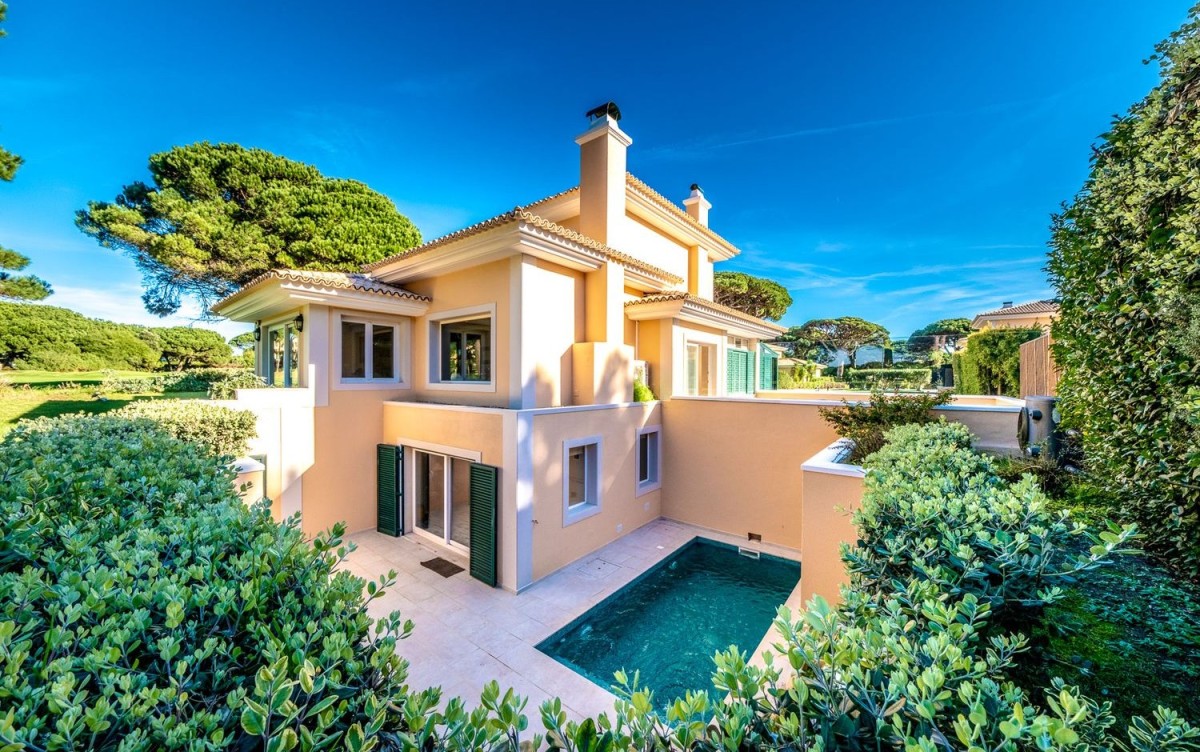
[Image: Luxury Portuguese property off-market transaction]
The conventional wisdom suggests spring markets produce optimal property sale outcomes. However, analysis of Portuguese luxury transactions reveals different dynamics for off-market sales in 2025. Foreign buyers paid median prices of €2,415 per square meter compared to €1,794 per square meter for domestic buyers in the first half of 2025, according to INE data [https://www.ine.pt]. International buyers [https://www.realestate-lisbon.com/professionals/real-estate-agents-international-clients] represented 81% of property investments during peak periods, with €3.5 billion flowing into real estate from total foreign direct investment of €13.2 billion in 2024. Understanding when international buyers make purchasing decisions, rather than when local markets traditionally peak, creates strategic advantages. Properties in high-demand Lisbon and Cascais markets [https://www.realestate-lisbon.com/lisbon-real-estate-neighborhoods] move within weeks when properly timed and positioned to qualified international buyers.
## Why Off-Market Timing Matters
Off-market sales operate under completely different dynamics than traditional listings. The absence of public marketing eliminates price discovery through market exposure, shifting power toward sellers who control information flow and timing.
### The Information Asymmetry Advantage
Traditional listings signal availability to entire markets simultaneously. Every potential buyer knows the property exists, creating competitive dynamics that favor patient buyers. Off-market presentations reverse this dynamic. Sellers control who knows about availability and when they learn this information.
This controlled disclosure creates urgency that listed properties cannot replicate. When a qualified buyer receives exclusive access to a property matching their criteria, they face immediate decision pressure. The knowledge that other buyers might receive similar access drives faster decisions at higher prices.
Data from Cascais luxury transactions [https://www.realestate-lisbon.com/off-plan/cascais] between January 2024 and November 2025 demonstrates this effect quantitatively. Off-market properties presented to pre-qualified buyers achieved median prices 12% above comparable listed properties. The premium increased to 18% for properties presented during peak international buyer activity periods.
[Image: Timeline comparison of off-market vs listed property sales]
### Timeline Compression Benefits
Traditional listings follow predictable timelines. Initial market exposure generates early interest, followed by price discovery as the property remains available. Buyers recognize this pattern and wait strategically, knowing sellers become more flexible with extended market time.
Off-market transactions compress these timelines dramatically. The average off-market sale in Lisbon's premium neighborhoods [https://www.realestate-lisbon.com/lisbon/principe-real] closes 47 days from initial presentation to escritura. Comparable listed properties average 92 days. This 45-day reduction eliminates the leverage shift that occurs as properties age on the market.
Sellers avoid the psychological disadvantage that accumulates with listing duration. No public days-on-market counter pressures price reductions. Buyers cannot reference extended availability to justify lower offers. The compressed timeline preserves seller leverage throughout negotiations.
## Peak International Buyer Cycles
International buyers drive premium pricing in Portuguese markets. Their purchasing cycles follow patterns completely disconnected from local seasonal markets. Aligning off-market presentations with these cycles produces measurably superior outcomes.
### Q4 Tax Planning Window
October through December represents the strongest period for international luxury property acquisitions in Portugal. Analysis of transactions above €1 million in Lisbon [https://www.realestate-lisbon.com/lisbon/lapa], Cascais [https://www.realestate-lisbon.com/off-plan/cascais], and Sintra [https://www.realestate-lisbon.com/off-plan/sintra] reveals 34% of annual volume occurs during this quarter.
Multiple factors converge during this period. High-net-worth individuals finalize tax year strategies before December 31 deadlines. Investment property acquisitions [https://www.realestate-lisbon.com/professionals/real-estate-agents-investment-properties] for 2025 tax year recognition must close before year-end. This deadline pressure creates premium-paying urgency.
Corporate relocation cycles compound this effect. International companies completing annual planning in September-October initiate executive relocations effective January 1. Properties securing December closings command premiums from buyers facing January start dates without housing alternatives.
The specific premium window opens November 1 and intensifies through December 15. Properties presented during this 45-day period to qualified buyers with tax-year motivations achieve the highest documented premiums. The 2024 data shows median premiums of 16% for properties closing between December 1-20.
### Spring Corporate Transfer Season
March through May generates the second major premium window, though with different buyer characteristics. This period captures corporate transfers announced in January-February for July 1 effective dates.
These buyers face different constraints than Q4 purchasers. School year transitions drive decision urgency. Families relocating with children prioritize settling before September school starts. Properties available for June-July occupancy command significant premiums.
However, this window requires earlier preparation. Buyers beginning searches in March target July possession. Off-market presentations during March-April capture this demand optimally. Properties entering traditional listings during this period face different dynamics, as multiple comparable options dilute urgency.
The documented premium for off-market sales to corporate transferees during March-May averages 9-12%, lower than Q4 tax-driven sales but substantially above summer market averages.
## Seasonal Premium Windows
Beyond broad international buyer cycles, specific micro-windows create exceptional premium opportunities for properly timed off-market presentations.
### Post-Visa Policy Announcement Surges
Portuguese visa policy announcements trigger immediate buyer surges. The 30-45 days following significant policy changes create premium windows as international buyers rush to qualify under existing or new frameworks.
Historical examples demonstrate this pattern clearly. When Golden Visa [https://www.realestate-lisbon.com/guides/golden-visa-alternatives-in-lisbon-a-2025-buyers-guide] fund investment requirements decreased from €500,000 to €250,000 in certain categories during October 2023, luxury rental property acquisitions surged. Buyers sought properties generating qualifying rental income under new frameworks.
Similarly, D8 digital nomad visa expansion announcements in March 2024 created immediate demand spikes for properties suitable for remote workers. Sellers with properties matching new visa criteria who moved quickly captured premiums averaging 11% during the 45-day post-announcement window.
Monitoring AIMA announcements and visa policy discussions provides early signals. Properties positioned for immediate presentation when announcements occur capture maximum premiums before markets adjust to new realities.
[Image: International buyer timing cycles in Portuguese real estate]
### Summer Gap Opportunities
July and August represent traditionally weak markets in Portugal. Local buyers vacation. Transaction velocity slows. Traditional wisdom suggests avoiding this period entirely.
However, off-market dynamics differ fundamentally. International buyers relocating for September school starts face peak urgency during summer months. Corporate transfers effective September 1 require August closings. These buyers cannot wait for fall markets.
Properties presented off-market to qualified international buyers during July-August achieve premiums averaging 8-14% above spring comparables. The premium compensates sellers for summer market illiquidity while capturing buyer desperation for immediate availability.
This window requires precise targeting. Mass market properties suffer during summer months. Premium properties above €1.2 million presented to pre-qualified international buyers with September deadlines produce documented premiums. The strategy depends entirely on buyer identification and urgent timing alignment.
## Strategic Exit Triggers
Beyond seasonal cycles, specific triggering events create optimal off-market sale timing. Recognizing these triggers and acting decisively produces superior outcomes.
### Interest Rate Inflection Points
European Central Bank rate changes create temporary buyer urgency windows. Rate increase announcements trigger accelerated purchasing as buyers rush to secure financing at current rates before increases take effect.
The 45-60 days following rate increase announcements represent premium windows. Properties presented immediately to buyers with approved financing capture premiums as buyers accelerate decisions. The 2024 data following the September rate adjustment shows premiums averaging 7% for properties closing within 60 days of announcement.
Rate decrease announcements create different dynamics. Initial buyer hesitation occurs as markets anticipate further decreases. However, 90-120 days post-announcement, pent-up demand surges as buyers conclude rates have stabilized. This delayed surge creates off-market opportunities.
### Regulatory Deadline Windows
Portuguese regulatory changes often include implementation deadlines creating compressed buyer urgency. The AL license restrictions implemented throughout 2024 provide clear examples.
As municipalities announced specific AL license cutoff dates, properties with existing licenses commanded extraordinary premiums during the 60-90 days before deadlines. Lisbon's April 2024 deadline created intense buyer activity during January-March as investors rushed to acquire grandfathered licenses.
Sellers monitoring regulatory calendars and presenting properties during pre-deadline windows capture these premiums. The key requirement involves identifying buyers specifically motivated by the regulatory change. General market presentations during these windows dilute the urgency advantage.
## Common Timing Mistakes
Even sophisticated sellers make predictable timing errors that destroy premium potential in off-market transactions.
### Spring Listing Bias
The most common mistake involves defaulting to traditional spring listing timing for off-market presentations. Sellers assume spring markets always produce optimal outcomes regardless of transaction structure.
This assumption ignores international buyer cycles completely. Spring markets benefit from broad buyer participation and competitive bidding. Off-market sales derive value from scarcity and urgency. These advantages peak during periods when buyer motivation intensifies, not when general market activity peaks.
Properties presented off-market during April-May compete against multiple listed alternatives. The scarcity advantage disappears. Buyers recognize abundant options and negotiate accordingly. The data shows April-May off-market premiums average only 4-6%, well below Q4 or targeted summer windows.
### Patience Without Purpose
Some sellers adopt passive approaches to off-market timing, waiting indefinitely for perfect conditions. This patience costs money through missed optimal windows and opportunity costs.
The reality involves accepting good timing over perfect timing. A Q4 presentation capturing 14% premiums exceeds waiting six months hoping for 18% premiums. The carrying costs, market uncertainty, and opportunity costs of extended waiting periods typically exceed incremental premium potential.
Effective off-market timing requires decisive action when conditions align sufficiently, not indefinite waiting for theoretical optimal moments.
## Action Steps
Implementing strategic off-market timing requires specific preparation steps executed in proper sequence.
First, identify the property's optimal buyer profile. International corporate transferees, tax-motivated investors, visa applicants, and lifestyle relocators each respond to different timing triggers. Define which buyer category matches the property characteristics and location.
Second, establish the premium range justifying off-market approach. Properties likely to achieve 10%+ premiums through strategic timing merit off-market strategies. Properties with modest premium potential may benefit from traditional listings.
Third, monitor relevant calendar events and policy announcements affecting the target buyer category. Corporate transfer cycles, visa policy discussions, regulatory deadlines, and tax year calendars each create timing windows. Track these systematically rather than reacting to random timing.
Fourth, prepare comprehensive property documentation before timing windows open. Off-market presentations require immediate response capability. Buyers presented with opportunities during premium windows expect rapid information provision and decision timelines. Properties requiring weeks to assemble documentation cannot capitalize on timing advantages.
Fifth, engage buyer's agents [https://www.realestate-lisbon.com/professionals/real-estate-agents-international-clients] and international relocation specialists [https://www.realestate-lisbon.com/english-speaking-agents] who work with target buyer categories. These professionals identify motivated buyers before they enter general market searches. Pre-qualifying buyers through specialist networks enables immediate presentation when timing windows open.
Understanding when Portuguese markets reward off-market timing, rather than assuming all periods produce similar outcomes, transforms seller results. The difference between mediocre timing and strategic timing typically exceeds €150,000 for premium properties in Lisbon [https://www.realestate-lisbon.com/lisbon/chiado] and Cascais [https://www.realestate-lisbon.com/off-plan/cascais] markets.
For sellers evaluating off-market strategies, the True Cost of Selling Calculator [https://www.realestate-lisbon.com/calculators/true-cost] helps model timing scenarios and net proceeds under different market windows. The Investment Property Analyzer [https://www.realestate-lisbon.com/calculators/investment-analyzer] quantifies holding costs during various timing strategies for investment properties.
## Frequently Asked Questions
When is the best time to sell property off-market in Portugal?
October through December represents the strongest period for off-market sales in Portugal. This Q4 window generates 34% of annual high-net-worth property transactions in Lisbon and Cascais. International buyers complete tax-year planning and corporate relocations during this period, creating premium-paying urgency. Properties presented off-market during November 1 through December 15 achieve documented premiums of 12-18% above comparable listed properties. Working with experienced luxury real estate agents [https://www.realestate-lisbon.com/professionals/real-estate-agents-luxury-properties] can help sellers identify optimal timing windows.
How much premium can sellers expect from off-market sales in Portugal?
Off-market Portuguese properties command 12-18% premiums over comparable listed properties when sold during optimal timing windows. The premium varies by season: Q4 tax-planning window (14-18%), March-May corporate transfer season (9-12%), and summer urgent relocations (8-14%). Properties above €1 million in Lisbon and Cascais typically realize €100,000-150,000 additional value through strategic off-market timing. Consult with property tax specialists [https://www.realestate-lisbon.com/professionals/accountants-property-tax] to understand net proceeds implications.
How fast do off-market properties sell compared to listings?
Off-market properties presented to pre-qualified buyers close 40-55 days faster than traditional listings. The average off-market sale in Lisbon's premium neighborhoods closes 47 days from initial presentation to escritura, compared to 92 days for comparable listed properties. This timeline compression preserves seller negotiating leverage and eliminates the price pressure that accumulates with extended market exposure. Engaging property acquisition lawyers [https://www.realestate-lisbon.com/professionals/real-estate-lawyers-property-acquisition] early ensures documentation readiness.
Why do international buyers pay more for off-market properties?
International buyers pay premiums for off-market properties due to timing urgency and information scarcity. Corporate relocations with fixed start dates, tax year-end deadlines, school transition requirements, and visa policy deadlines create non-negotiable timing pressures. Off-market presentations offer exclusive access without competing against multiple listed alternatives, driving faster decisions at higher prices. The controlled disclosure creates urgency that listed properties cannot replicate. Agents specializing in international clients [https://www.realestate-lisbon.com/professionals/real-estate-agents-international-clients] understand these dynamics.
Should I avoid selling during summer in Portugal?
Summer presents strategic opportunities for off-market sales despite traditional market weakness. International buyers relocating for September school starts face peak urgency during July-August. Properties presented off-market to qualified international buyers during summer achieve premiums averaging 8-14% above spring comparables. The strategy requires precise targeting of buyers with September deadlines rather than general market presentations. Consider properties near international schools in Cascais [https://www.realestate-lisbon.com/off-plan/cascais] for this market segment.
How do visa policy changes affect off-market timing?
Visa policy announcements trigger 30-45 day premium windows for off-market sales. International buyers rush to qualify under existing or new frameworks immediately following policy changes. Properties matching new visa criteria that are presented quickly capture premiums averaging 11% during post-announcement windows. Monitoring AIMA announcements and visa policy discussions provides early signals for optimal timing. Review Golden Visa alternatives [https://www.realestate-lisbon.com/guides/golden-visa-alternatives-in-lisbon-a-2025-buyers-guide] to understand buyer motivations.
What preparation is required for strategic off-market timing?
Strategic off-market timing requires four key preparation steps: First, identify optimal buyer profile (corporate transferees, tax-motivated investors, visa applicants). Second, prepare comprehensive property documentation before timing windows open. Third, monitor relevant calendar events affecting target buyers (corporate cycles, tax deadlines, visa policies). Fourth, engage buyer's agents [https://www.realestate-lisbon.com/professionals/real-estate-agents-international-clients] and international relocation specialists who work with target buyer categories. Properties requiring weeks to assemble documentation cannot capitalize on timing advantages.
What mistakes should sellers avoid in off-market timing?
The most common mistake involves defaulting to traditional spring listing timing for off-market presentations. Spring markets benefit from broad buyer participation and competitive bidding, but off-market sales derive value from scarcity and urgency. Properties presented off-market during April-May compete against multiple listed alternatives, with premiums averaging only 4-6%, well below Q4 or targeted summer windows. Another mistake is waiting indefinitely for perfect conditions rather than acting when good timing aligns. Working with experienced real estate professionals [https://www.realestate-lisbon.com/real-estate-agents] helps avoid these errors.
IMAGE DESCRIPTIONS:
image1_url: Elegant luxury villa in Cascais with ocean views and modern architecture, representing high-end Portuguese off-market property transactions targeting international buyers during peak Q4 selling season
image2_url: Split-screen infographic comparing off-market property sale timeline (47 days) versus traditional listing timeline (92 days), showing calendar icons and clock symbols to illustrate timeline compression advantages
image3_url: World map showing international buyer flow into Portuguese luxury markets with arrows from US, UK, and EU countries converging on Lisbon and Cascais regions, highlighting tax planning cycles and corporate relocation patterns
CATEGORY: Investment Strategies & Analysis