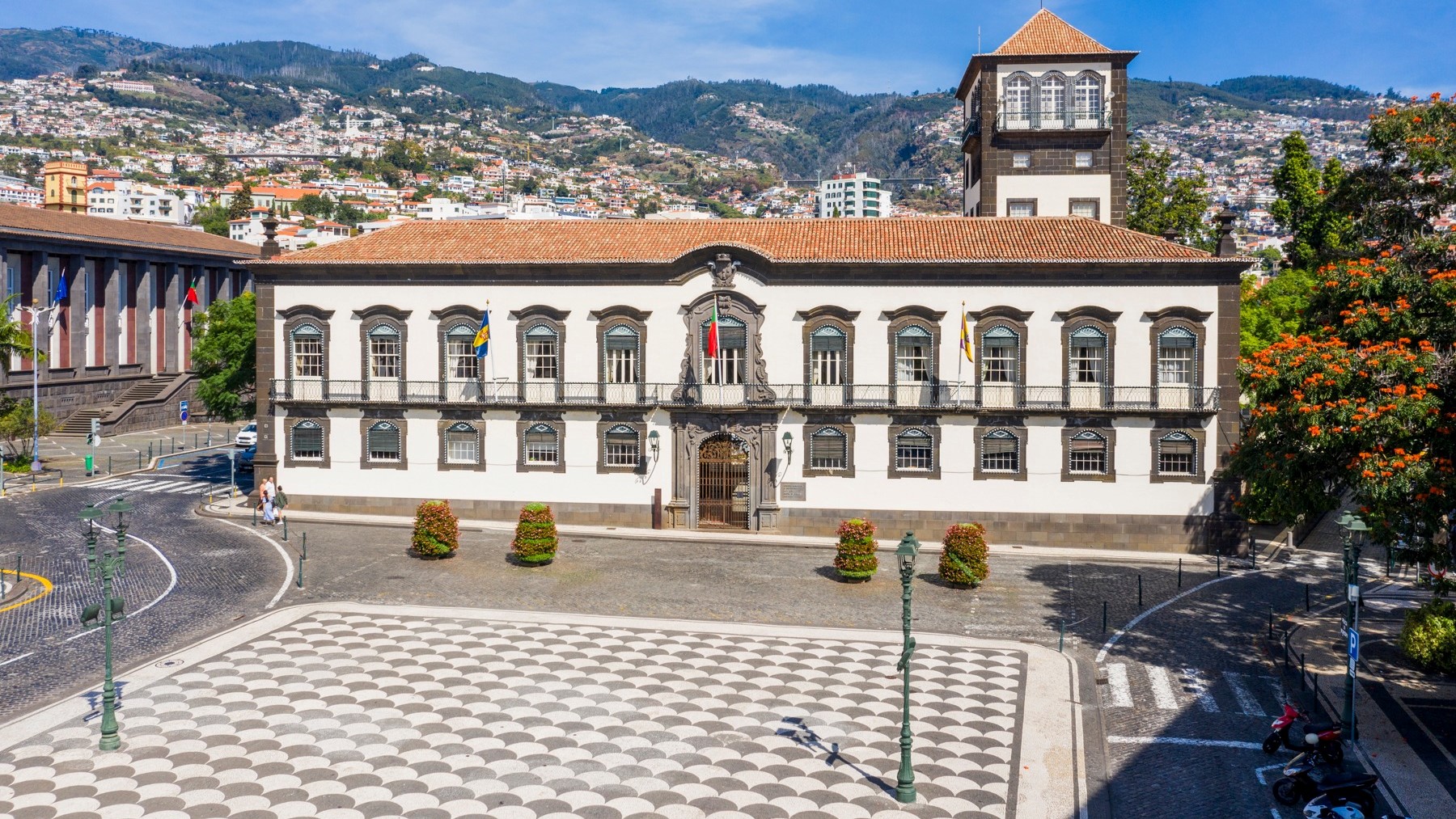
Funchal's New Local Accommodation Regulations: Key Insights for Portugal Real Estate Investors
By Pieter Paul Castelein
Published: May 15, 2026
Category: tourism
### Funchal's New Local Accommodation Regulations: Key Insights for Portugal Real Estate Investors
In a significant regulatory shift poised to redefine the landscape of short-term rentals, the **Funchal City Council** has concluded its public consultation on the Municipal Regulation for the Management of Local Accommodation (AL) establishments. This pivotal process, which attracted **146 participations**, underscores the growing imperative for structured oversight in Portugal's burgeoning tourism property sector, with direct implications for foreign investors and expats in Madeira [https://www.realestate-lisbon.com/news/tourism].
### Key Takeaways
• ✓ Funchal finalizes public consultation for new Local Accommodation (AL) regulatory framework
• ✓ Regulation aims to restrict AL in collective housing while promoting purpose-built tourism properties
• ✓ Current suspension of AL licenses until July creates strategic planning window for investors
• ✓ Proactive compliance and focus on sustainable tourism models are critical for future investment success
The conclusion of the public consultation marks a crucial step towards the formalization of Funchal's new AL regime. The municipality is now tasked with compiling a comprehensive report and drafting the definitive version of the regulation, which will subsequently undergo approval by both the municipal executive and the Municipal Assembly. Its eventual publication in the Diário da República will establish a legally binding framework, fundamentally altering the operational parameters for short-term rental properties. This structured approach to regulation, widely praised by participants for its foresight, reflects a broader trend in Portuguese municipalities to manage the impact of tourism on urban living.
At the core of the proposed regulation, initially approved in March, is a dual objective: to mitigate the impact of AL on housing availability for permanent residents in collective housing units, while simultaneously fostering and protecting AL operations that emerge from property rehabilitation or new constructions exclusively dedicated to tourism. Mayor Jorge Carvalho emphasized this strategic balance, indicating a clear preference for investment that aligns with sustainable urban development and high-quality tourism infrastructure. This nuanced approach necessitates a granular understanding from investors, distinguishing between permissible and restricted forms of AL investment within the city.
A critical, immediate implication for the market is the ongoing suspension of AL license attribution in Funchal, which remains in effect until July. This moratorium effectively halts the entry of new short-term rental units into the market, providing a temporary period of stability for existing operators but demanding strategic foresight from prospective investors. This window offers an invaluable opportunity for comprehensive due diligence, allowing investors to meticulously assess how the forthcoming regulations will impact their business models and long-term investment viability [https://www.realestate-lisbon.com/buying-guide/investment-risks] in Funchal's dynamic tourism property sector.
## Strategic Market Implications for Foreign Investors
For foreign investors and expats targeting the lucrative **Local Accommodation market in Funchal**, the impending regulatory changes demand a recalibration of investment strategies. The explicit intent to limit AL in collective housing units signals a shift away from converting traditional residential properties into short-term rentals. This policy direction will likely channel investment towards purpose-built tourist accommodations, renovation projects that transform existing structures into dedicated AL units, or properties in designated tourism zones. Understanding these distinctions is paramount for ensuring regulatory compliance and maximizing rental yield potential [https://www.realestate-lisbon.com/calculators/rental-yield].
The current suspension of AL licenses, while temporary, underscores the regulatory authority's commitment to implementing a controlled growth model for the sector. Investors should leverage this period to conduct exhaustive market research and engage with local experts. Consulting with real estate lawyers specializing in property acquisition [https://www.realestate-lisbon.com/professionals/real-estate-lawyers-property-acquisition] in Madeira is not merely advisable but essential to navigate the intricate legal framework and ensure that any planned investment aligns with the new municipal guidelines. Furthermore, a detailed financial analysis, potentially utilizing tools like HomeOS's rental yield calculator [https://www.homeos.pt/comprar/preco/rentabilidade/], will be crucial for projecting returns under the revised operational environment.
The Mayor's statements regarding the safeguarding of AL derived from property recovery and new tourism-specific constructions provide a clear strategic directive. This policy encourages investment in urban regeneration and the development of high-quality tourism infrastructure, aligning Funchal with broader European trends in sustainable tourism. Investors who focus on these segments are likely to find a more favorable regulatory environment and potentially higher long-term returns. This strategic alignment with municipal planning is a key factor for successful and sustainable tourism property investment [https://www.realestate-lisbon.com/blog/investment-and-strategy-guides].
## Funchal's Regulatory Framework and Tourism Vision
The **Funchal City Council**'s proactive stance on AL regulation is a direct response to the rapid expansion of short-term rentals, which, while economically beneficial, has exerted pressure on the city's housing market. With approximately **3,600 AL establishments** already operating, the need for a balanced regulatory framework has become undeniable to ensure both resident well-being and continued tourism prosperity.
The public consultation process, characterized by a high degree of public engagement and detailed technical submissions, highlights the complexity of balancing diverse stakeholder interests. This collaborative approach aims to forge a regulation that is robust, equitable, and reflective of the community's needs, from permanent residents seeking affordable housing to property owners and tourism operators contributing to the local economy. The transparency of this process is a positive indicator for future regulatory stability.
## Madeira's Evolving Tourism and Real Estate Landscape
Funchal, as the vibrant capital of Madeira, is a cornerstone of the island's globally renowned tourism industry. The regulation of Local Accommodation is an integral part of a broader strategy to ensure sustainable tourism growth, preserving the island's unique charm while maximizing economic benefits. This evolving regulatory landscape is a paramount consideration for any investor in tourism-dependent real estate [https://www.realestate-lisbon.com/news/expat-investor-focus].
Several interconnected factors are currently influencing the Local Accommodation market in Funchal and across Madeira:
• **Housing Affordability**: The ongoing challenge of balancing AL growth with the need for accessible long-term housing for local residents.
• **Premium Tourism Demand**: Madeira's strong appeal as a high-value tourist destination continues to drive demand for diverse and quality accommodation options.
• **Urban Regeneration Incentives**: The potential for regulatory frameworks to incentivize the renovation and revitalization of existing urban properties for tourism purposes.
• **Purpose-Built Developments**: The increasing focus on new constructions specifically designed as tourist accommodations, minimizing impact on residential supply.
These dynamics underscore the delicate equilibrium that authorities are striving to achieve. The new regulation is anticipated to provide a clearer, more predictable operational environment for investors, delineating specific zones and property types where AL is encouraged versus those where restrictions will apply. This clarity is crucial for long-term investment planning and risk assessment in the Madeiran property market [https://www.realestate-lisbon.com/blog/regulatory-and-legal-frameworks].
## Strategic Investment Considerations
For foreign investors eyeing the **Local Accommodation sector in Funchal**, a granular understanding of the forthcoming regulations is indispensable. The distinction between AL in collective housing and AL derived from property recovery or new builds is a critical nuance that will dictate viable investment pathways. Future investment strategies should proactively align with the city's vision for sustainable tourism development, prioritizing renovation projects or new constructions explicitly designed for short-term rentals. Engaging with real estate lawyers specializing in due diligence [https://www.realestate-lisbon.com/professionals/real-estate-lawyers-due-diligence] and property tax accountants [https://www.realestate-lisbon.com/professionals/accountants-property-tax] in Madeira is highly recommended to navigate the complex legal and fiscal implications effectively. The current suspension of AL licenses until July offers a strategic window for investors to conduct thorough feasibility studies and prepare for compliance, ensuring a seamless entry or continued operation in Funchal's evolving AL market. Furthermore, for those concerned about the legalities of their property, independent Simplex Safe legal verification [https://www.inspectos.pt/inspecoes-residenciais/simplex-safe] can provide peace of mind regarding compliance with local urban planning regulations.
The emphasis on purpose-built tourism accommodations and property recovery initiatives suggests a shift towards higher-quality, more integrated tourism offerings. Investors should explore opportunities in these segments, which are likely to benefit from a more favorable regulatory environment and potentially higher long-term returns. This strategic alignment with municipal planning is a key determinant for successful and sustainable tourism property investment [https://www.realestate-lisbon.com/blog/investment-and-strategy-guides]. The use of tools like HomeOS's legal verification [https://www.homeos.pt/comprar/proteger/legalidade-do-imovel/] can assist in understanding the legality of existing properties for AL purposes.
Moreover, the detailed nature of public participation in the consultation process indicates a robust and transparent regulatory development. This transparency, while demanding, ultimately contributes to a more predictable and stable investment environment, reducing the risks associated with sudden policy shifts. Investors should view these regulatory developments as an opportunity to refine their portfolios and focus on compliant, high-value AL offerings that contribute positively to Funchal's urban fabric and tourism economy. Consulting with English-speaking real estate agents [https://www.realestate-lisbon.com/english-speaking-agents] with local expertise in Madeira can provide invaluable guidance.
## Future Outlook for Funchal's Tourism Property Market
The imminent finalization and implementation of Funchal's Municipal Regulation for Local Accommodation will usher in a new era for the city's tourism and real estate sectors. This comprehensive regulatory framework is meticulously designed to foster a more balanced and sustainable approach to short-term rentals, ensuring that the economic benefits of tourism are harmonized with the social well-being of the local community.
Investors who proactively adapt to these new guidelines and strategically focus on compliant, high-quality AL offerings are well-positioned to capitalize on continued opportunities in Funchal. The city's commitment to structured and sustainable development provides a predictable and attractive environment for long-term investment. For unparalleled expert guidance on navigating Funchal's evolving real estate and tourism regulations, contact realestate-lisbon.com [https://www.realestate-lisbon.com/].