Portugal's Foreign Direct Investment Dips 11%, But Real Estate Attracts €1 Billion in Q3
By Nikola Zdraveski
Published: November 26, 2025
Category: market-trends
### Portugal's €1 Billion Q3 Real Estate Inflow Signals Resilient Investment Appeal Despite Broader FDI Decline
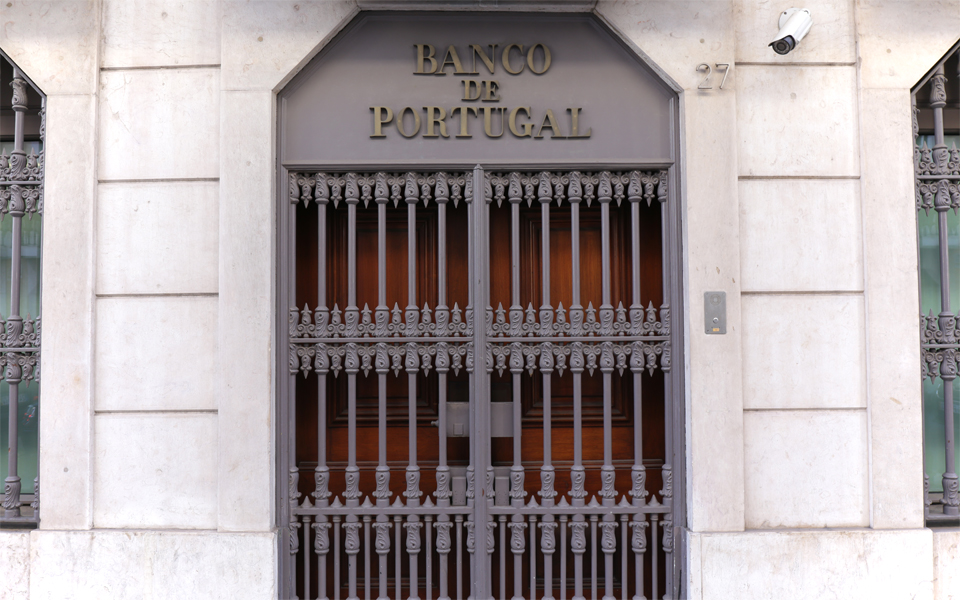
Portugal attracted **€1.0 billion in foreign real estate investment** during the third quarter of 2025, according to **Banco de Portugal**, the country's central bank responsible for monetary policy and financial stability. This robust property sector performance occurred despite an overall 11.1% decline in total Foreign Direct Investment (FDI) to €4.8 billion, demonstrating the real estate market's continued attractiveness to international investors seeking European exposure.
The figures reveal a compelling narrative for property investors. While total FDI dropped from €5.4 billion year-over-year, real estate maintained its €1 billion quarterly pace, representing approximately 21% of all foreign investment in Portuguese assets. This resilience underscores real estate's role as a defensive investment category within Portugal's broader economic landscape, particularly significant for investors evaluating European property market opportunities [https://www.realestate-lisbon.com/market-insights].
European investors dominated the investment landscape, with Spain leading at €1.4 billion, followed by Luxembourg (€0.8 billion), France (€0.4 billion), and the United Kingdom (€0.4 billion). This geographic concentration suggests Portugal's real estate market benefits from its strategic position within the European Union and its appeal to investors from established European economies seeking diversification within the Eurozone.
### Key Takeaways
• ✓ Real estate attracted €1 billion in Q3 2025, maintaining 21% share of total €4.8 billion FDI
• ✓ Despite 11.1% overall FDI decline, property investment levels held steady year-over-year
• ✓ European investors dominated with Spain, Luxembourg, France, and UK leading capital flows
• ✓ €208.1 billion FDI stock represents 69% of GDP, highlighting Portugal's external investment dependence
Portugal's real estate market demonstrates remarkable stability amid broader investment volatility. The **Iberian Peninsula**'s westernmost country has transformed from an economic periphery into a strategic investment destination, particularly for foreign buyers seeking residential and commercial property exposure [https://www.realestate-lisbon.com/lisbon-real-estate-neighborhoods] in Southern Europe. Lisbon and Porto have emerged as primary targets, with the capital's metropolitan area attracting significant international capital due to its combination of historical charm, modern infrastructure, and competitive pricing relative to other European capitals.
The country's appeal extends beyond traditional tourism-dependent regions. Foreign investors increasingly target Portugal's interior municipalities and emerging secondary cities, driven by Golden Visa program requirements and value-seeking strategies. This geographic diversification spreads investment across the country, creating opportunities in previously overlooked markets while supporting regional economic development initiatives.
## Market Implications for Property Investors
The sustained €1 billion quarterly real estate inflow signals several important trends for international investors. First, it demonstrates **portfolio diversification strategies**—where investors spread capital across different asset classes and geographies—remain firmly in place despite macroeconomic uncertainties. Real estate's ability to maintain investment levels while overall FDI declined suggests property assets serve as defensive holdings within broader investment portfolios.
Second, the European concentration of investors indicates Portugal benefits from **regional capital rotation** within the Eurozone. Spanish, Luxembourgish, French, and British investors view Portuguese real estate as offering superior risk-adjusted returns compared to their domestic markets. This pattern creates sustainable demand driven by yield differentials and currency stability within the Eurozone, particularly attractive for investors seeking European property exposure [https://www.realestate-lisbon.com/blog/investment-and-strategy-guides] without currency risk.
Third, the €208.1 billion FDI stock representing 69% of GDP reveals Portugal's transformation into an externally financed economy. This dependency creates both opportunities and risks for property investors. While foreign capital inflows support asset values and development activity, the market becomes sensitive to international investment sentiment and global capital flows. Investors should monitor broader FDI trends as leading indicators for real estate market health.
## Investment Stock Analysis and Portfolio Implications
Portugal's **FDI stock accumulation**—growing from approximately €100 billion in 2008 to €208.1 billion by Q3 2025—represents one of Europe's most dramatic investment transformations. This doubling reflects structural changes in Portugal's economy, including privatizations, infrastructure development, and real estate market liberalization that opened sectors previously restricted to foreign ownership.
The parallel growth in **Portuguese Direct Investment Abroad (IPE)** to €78.4 billion indicates domestic companies expanding internationally, creating reciprocal investment relationships. While IPE declined 27.6% in Q3, the long-term trajectory shows Portuguese businesses building international presence, potentially creating future investment inflows as these operations mature and generate returns for domestic investors.
## European Capital Flows and Competitive Positioning
Portugal's ability to attract €1.4 billion from Spain, €0.8 billion from Luxembourg, and significant amounts from France and the UK demonstrates its competitive positioning within European investment hierarchies. These flows reflect several structural advantages: **comparative property valuations** relative to investors' home markets, **Golden Visa program** residency benefits, **Non-Habitual Resident (NHR)** tax advantages, and **EU regulatory framework** providing investor protections.
The Spanish investment dominance makes geographic sense given shared borders, cultural similarities, and integrated business relationships. However, Luxembourg's substantial €0.8 billion contribution likely represents institutional investment through funds and holding companies rather than direct property purchases. This pattern suggests sophisticated investors use Portuguese real estate as portfolio components within broader European strategies.
Several factors continue driving European capital toward Portuguese real estate:
• **Yield Differentials**: Portuguese property yields often exceed those available in core European markets like Paris or London by 100-200 basis points
• **Currency Stability**: Euro-denominated assets eliminate exchange rate risk for Eurozone investors while offering UK investors euro exposure
• **Regulatory Harmonization**: EU-wide property ownership laws provide familiar legal frameworks for European investors
• **Market Maturity**: Improved transparency, professional services, and transaction efficiency reduce investment barriers
These advantages create sustainable competitive positioning that extends beyond temporary market conditions, suggesting Portuguese real estate can maintain investment attractiveness even during broader economic uncertainty.
## Strategic Investment Considerations
The Q3 data reveals several strategic implications for foreign investors evaluating Portuguese real estate. The €1 billion quarterly pace suggests annual real estate FDI of approximately €4 billion, representing significant liquidity for a market of Portugal's size. This volume creates opportunities for both individual and institutional investors while maintaining market depth for exit strategies.
Investors should consider the concentration risk inherent in European-dominated capital flows. While European investment provides stability through geographic and cultural proximity, diversification across investor nationalities could provide additional market resilience. The current pattern suggests opportunities to attract capital from North American, Asian, or Middle Eastern investors seeking European property exposure.
For investors structuring Portuguese property acquisitions, the sustained investment levels indicate healthy market fundamentals supporting various investment strategies. Whether pursuing income-generating residential properties [https://www.realestate-lisbon.com/professionals/real-estate-agents-investment-properties], development projects, or commercial real estate, the consistent foreign capital inflow provides underlying market support. However, investors should consult with English-speaking tax advisors [https://www.realestate-lisbon.com/english-speaking-accountants] to optimize structures for their specific circumstances and home country tax implications.
## Looking Ahead: Market Trajectory and Investment Outlook
Portugal's ability to maintain €1 billion quarterly real estate investment despite broader FDI decline positions the market favorably for continued foreign capital attraction. The data suggests real estate has achieved status as a core holding within international portfolios targeting Southern Europe, providing defensive characteristics during investment volatility periods.
The long-term trajectory remains positive based on structural factors including demographic trends toward urbanization, tourism industry growth supporting hospitality real estate, and Portugal's role as a technology and services hub attracting skilled workers requiring housing. These fundamentals support sustained property investment demand beyond cyclical fluctuations, making Portuguese real estate an attractive component of diversified European property portfolios. For expert guidance on navigating Portugal's property investment landscape, contact realestate-lisbon.com [https://www.realestate-lisbon.com/].