Portugal's Luxury Real Estate: Why a Good Postcode is No Longer Enough for Investors
By Pieter Paul Castelein
Published: November 24, 2025
Category: investment-insights
### Portugal's Luxury Property Market Transforms as Premium Experiences Trump Prime Postcodes
Portugal's luxury real estate sector has fundamentally evolved beyond location-based premiums, with **Portugal Sotheby's International Realty** reporting that sophisticated buyers now prioritize distinctive design, sustainability, and personalized services over traditional prestige addresses. This transformation signals a maturing market where experiential value and property differentiation drive investment decisions rather than mere geographic positioning.
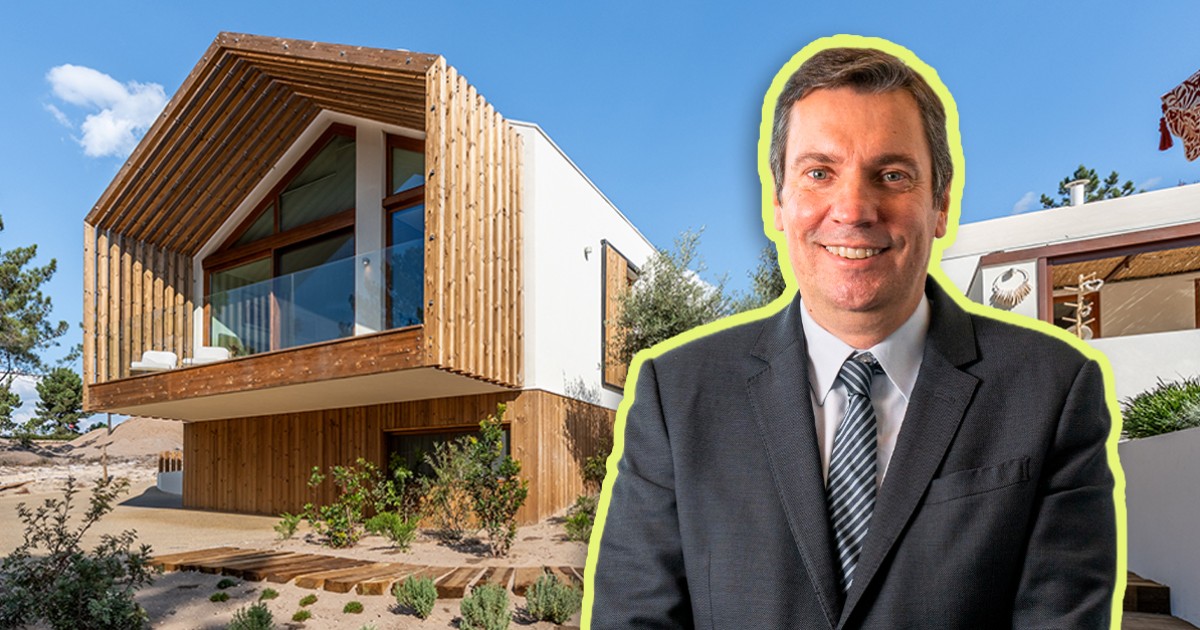
The shift represents a critical inflection point for foreign investors who have historically focused on established luxury enclaves. According to **Miguel Poisson**, CEO of Portugal Sotheby's International Realty, the international luxury real estate brokerage that dominates Portugal's high-end market, "Properties incorporating differentiated concepts related to design, sustainability, technology and personalized services command the highest premiums. A good postcode is no longer sufficient."
This evolution reflects broader global luxury trends while highlighting Portugal's emergence as a sophisticated destination for ultra-high-net-worth individuals seeking more than traditional property investments. The market's resilience during global uncertainty demonstrates its structural strength and long-term investment appeal.
### Key Takeaways
• ✓ Portugal Sotheby's reports 34% transaction increase and 40% revenue growth in first half 2025
• ✓ Portuguese buyers represent 50% of luxury transactions, signaling strong domestic confidence
• ✓ Premium properties now require unique experiences, not just prestigious locations
• ✓ Emerging areas like Comporta and Melides redefine luxury with nature-integrated living
Portugal's luxury market spans five primary regions, each offering distinct value propositions for international investors. **Lisbon**, the capital city perched on seven hills overlooking the Tagus River, combines historic charm with modern business infrastructure, served by Humberto Delgado Airport and extensive metro connectivity. The **Linha de Cascais**, a coastal strip stretching 25 kilometers west of Lisbon, offers seaside luxury living with direct rail connections to the capital. **Porto**, Portugal's second city 300 kilometers north, provides Atlantic-front living with growing international recognition. The **Algarve** region in southern Portugal delivers Mediterranean climate and championship golf courses, while **Madeira**, the subtropical archipelago 900 kilometers southwest, offers year-round warmth and unique tax advantages.
These locations have demonstrated exceptional resilience, maintaining liquidity and value during global uncertainty. According to recent market analysis [https://www.realestate-lisbon.com/market-insights], luxury buyers typically operate with substantial equity, seeking secure assets in politically stable environments. Portugal's combination of safety, quality of life, and mild climate creates structural demand that transcends economic cycles.
## Market Implications for Investors
The luxury market's evolution toward experience-driven value propositions carries significant implications for foreign investors. Properties must now offer compelling narratives beyond location, incorporating architectural distinction, technological integration, and lifestyle amenities that create emotional connections with sophisticated buyers.
This transformation elevates investment risk for those purchasing solely on location metrics. **Branded residences**—properties associated with luxury hospitality brands offering concierge services, private clubs, and curated experiences—represent the market's fastest-growing segment. These developments command premium pricing while providing investors with differentiated assets less susceptible to market volatility.
The scarcity of supply meeting these elevated standards creates substantial opportunities for investors willing to develop or acquire properties aligned with new luxury paradigms. Current market dynamics suggest four to seven years [https://www.realestate-lisbon.com/blog/market-intelligence-and-analysis] will be required to balance supply with demand, ensuring sustained premium pricing for appropriately positioned assets.
Foreign investors should note that Portuguese buyers now represent 50% of luxury transactions, indicating strong domestic confidence and creating dual-market appeal that enhances resale liquidity. This domestic participation provides market stability often absent in purely foreign-driven luxury markets.
## Portugal Sotheby's International Realty's Market Position
**Portugal Sotheby's International Realty**, the luxury real estate brokerage affiliated with the global Sotheby's auction house network, dominates Portugal's high-end property market through exclusive listings and international buyer access. The company's 2025 performance demonstrates market leadership with first-half transactions increasing 34% and revenue growing 40% year-over-year.
Their buyer profile analysis reveals sophisticated market segmentation: Portuguese nationals represent 50% of transactions, Americans 20%, British 15%, Brazilians 10%, with Germans and other Europeans comprising the remainder. This diversification provides market stability while their transaction volume data offers valuable insights into luxury market trends and pricing dynamics.
## Emerging Luxury Destinations Redefine Portuguese Market
Traditional luxury enclaves like **Cascais**, **Estoril**, and **Quinta da Marinha** along the Lisbon coastline maintain their appeal through established infrastructure, international schools, and marina facilities. However, **Comporta** and **Melides**, rural villages 130 kilometers south of Lisbon, have emerged as the new frontier of Portuguese luxury, offering protected natural environments with sophisticated amenities.
This geographic expansion reflects evolving luxury preferences toward privacy, authenticity, and environmental integration. Investors should understand that these emerging markets offer higher appreciation potential but require longer investment horizons as infrastructure develops. Understanding local development patterns [https://www.realestate-lisbon.com/lisbon-real-estate-neighborhoods] becomes crucial for identifying optimal entry points.
Several factors drive this geographic diversification:
• **Environmental Consciousness**: Buyers seek properties harmonizing with natural surroundings rather than dominating them
• **Privacy Premium**: Seclusion and private spaces become increasingly valuable in connected world
• **Cultural Authenticity**: Integration with local culture and traditions creates unique value propositions
• **Sustainability Requirements**: Eco-friendly construction and renewable energy integration become standard expectations
These trends create opportunities for investors to enter emerging markets before full recognition, potentially capturing significant appreciation as areas develop luxury infrastructure and recognition.
## Investment Considerations for Luxury Market Entry
Foreign investors entering Portugal's luxury market must navigate sophisticated requirements beyond traditional property acquisition. **Branded residences** and **unique architectural properties** require specialized due diligence regarding brand agreements, architectural significance, and future market positioning.
Given the market's emphasis on personalized experiences, investors should engage English-speaking real estate lawyers [https://www.realestate-lisbon.com/english-speaking-lawyers] familiar with luxury property transactions, particularly for reviewing service agreements in branded developments and ensuring compliance with evolving luxury standards. Tax implications for non-resident owners also require careful planning, especially with recent changes affecting foreign buyers.
The market's technological evolution means properties must integrate smart home systems, sustainable technologies, and connectivity infrastructure to maintain competitive positioning. Investors should budget for these upgrades even in newly constructed properties, as luxury standards continue advancing rapidly.
## Looking Ahead: Portugal's Luxury Market Trajectory
Portugal's luxury real estate market demonstrates remarkable sophistication, having evolved from location-dependent investments to experience-driven acquisitions. This maturation creates opportunities for informed investors while raising barriers for those relying solely on traditional investment approaches.
The market's structural advantages—political stability, safety, climate, and quality of life—provide long-term investment security. Combined with supply constraints and growing international recognition, these factors support continued appreciation for appropriately positioned luxury assets. For expert guidance on navigating Portugal's evolving luxury property market, contact realestate-lisbon.com [https://www.realestate-lisbon.com/].