Algarve's Adrenaline Economy: New Coaster Signals Boom for Property Market
By Nikola Zdraveski
Published: July 31, 2025
Category: Real Estate Market Insights
**
# Algarve's Adrenaline Economy: New Coaster Signals Boom for Property Market
Last Updated: February 11, 2026
### Value Box
**Capital Preservation Intelligence:** Algarve adrenaline economy infrastructure investment analysis for €500K-€3M international property buyers [https://www.realestate-lisbon.com/professionals/real-estate-agents-international-clients].
• Properties within 5km of Flash Coaster (Quarteira) and AIA motorsport complex (Portimão) command 8-20% proximity premium versus equivalent inland locations (late 2025 market data)
• Formula 1 return (2027-2028 confirmed) positions Portimão for institutional investment flows [https://www.realestate-lisbon.com/blog/investment-strategy-guides], with €2,674/m² median pricing showing 16.8% YoY growth in Q4 2025
• Arrow Global's 25-hectare Vilamoura Sports Centre (2026 opening) targets $1.3M-$4M estate lots with PGA Tour Portugal Invitational driving American HNWI influx
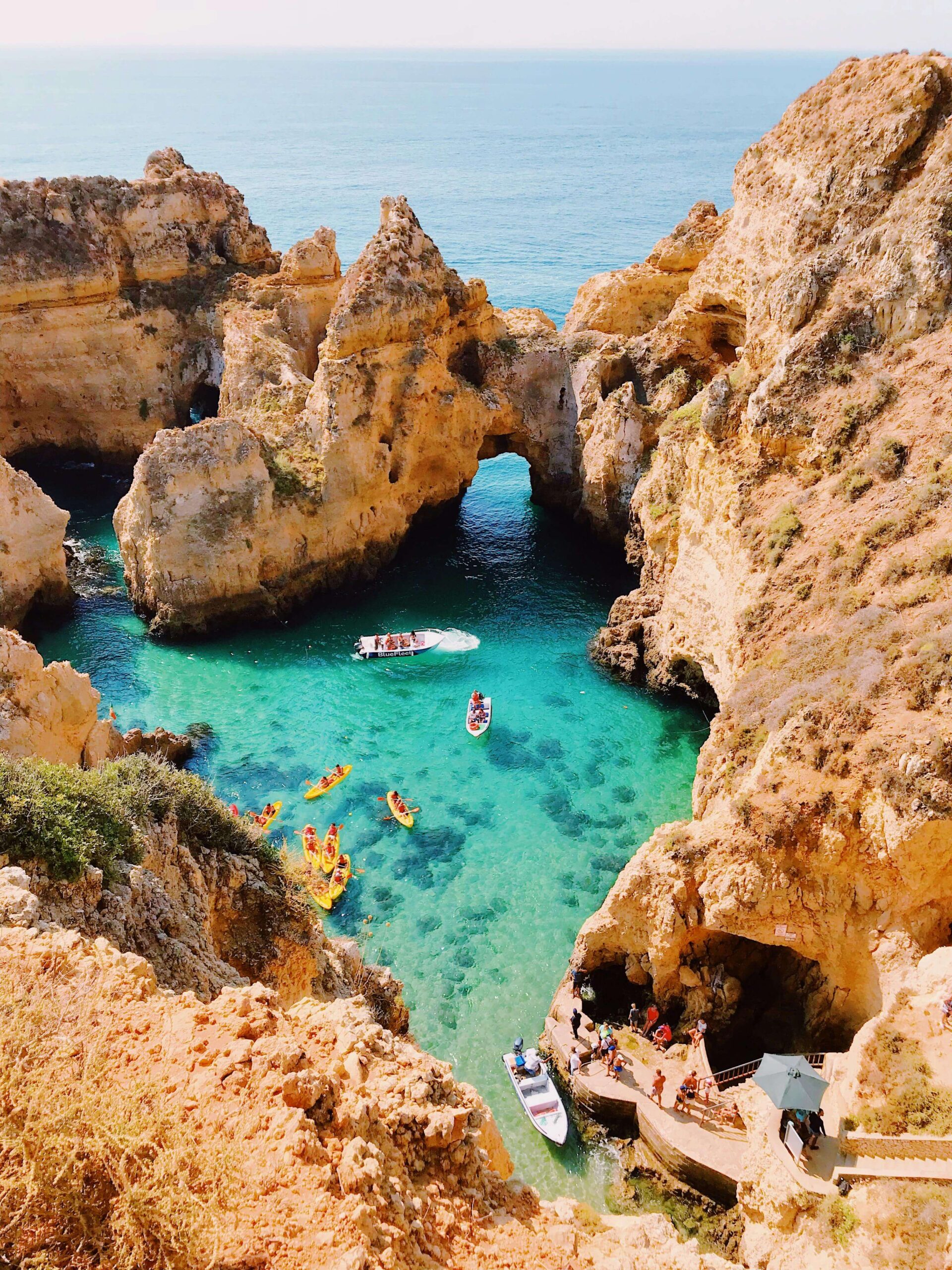
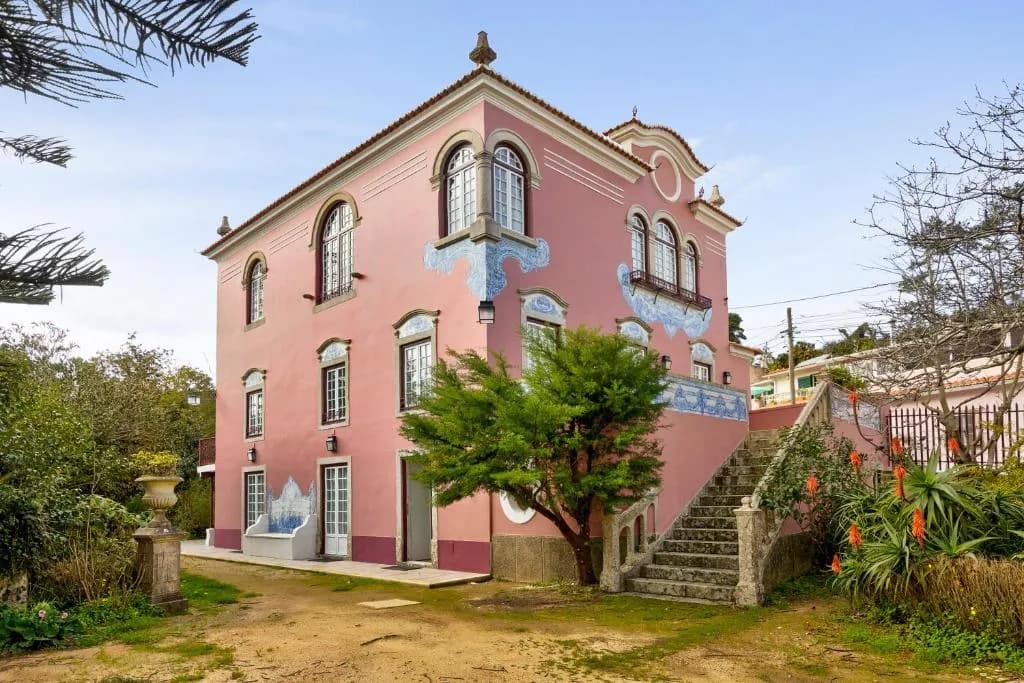
[Image: Algarve coastal property with entertainment infrastructure]
## Key Facts: Algarve Adrenaline Economy Overview
• **Market Maturation Phase:** Algarve concluded 2025 with 8.8-10% YoY price growth (€3,870/m² median), entering balanced 2026 growth phase (2-4% forecast) supported by structural supply constraints and high replacement costs
• **Entertainment Infrastructure Anchors:** Flash Coaster (July 2025, Portugal's first multi-inversion LSM coaster, 100 km/h top speed, 42-meter height) and Quetzal racing slide (June 2023, Europe's longest dueling water slide at 178 meters) create year-round tourism demand beyond traditional beach season
• **Motorsport Branding Platform:** Autódromo Internacional do Algarve hosts 2026 calendar including MotoGP (November), World Superbike (March), European Le Mans (October), generating 800M+ global viewer impressions before F1 returns 2027-2028
• **Institutional Ecosystem Strategy:** Arrow Global's DETAILS platform developing 25-hectare Vilamoura Sports Centre (partnership with Next Practice Partners/Disney ESPN experience) plus Els Club rebranding with first PGA Tour sanctioned event in Portugal (2026)
• **American Market Shift:** US buyer transaction values jumped 82% as Algarve positions as "Florida of Europe" with comparative pricing advantage (€3,870/m² vs Nice €7,500/m², Marbella €9,000/m²)
• **Short-Term Rental Performance:** Albufeira delivers $296 ADR, $35,256 median annual revenue, 47.4% occupancy (Feb 2025-Jan 2026 data), with top 10% properties exceeding $8,710 monthly and 82% occupancy through dynamic pricing
• **Water Security De-Risking:** December 2025 reservoir levels reached 72% average (best decade performance), with Albufeira desalination plant (16M m³/year capacity) providing drought-proof infrastructure insurance for long-term capital
• **Fiscal Restructuring (2025):** VAT reduction to 6% on construction under €648K (potential €100K+ savings per unit), rental income tax reduction to 10% for moderate-rent properties, adjusted IMT for non-residents on high-value transactions
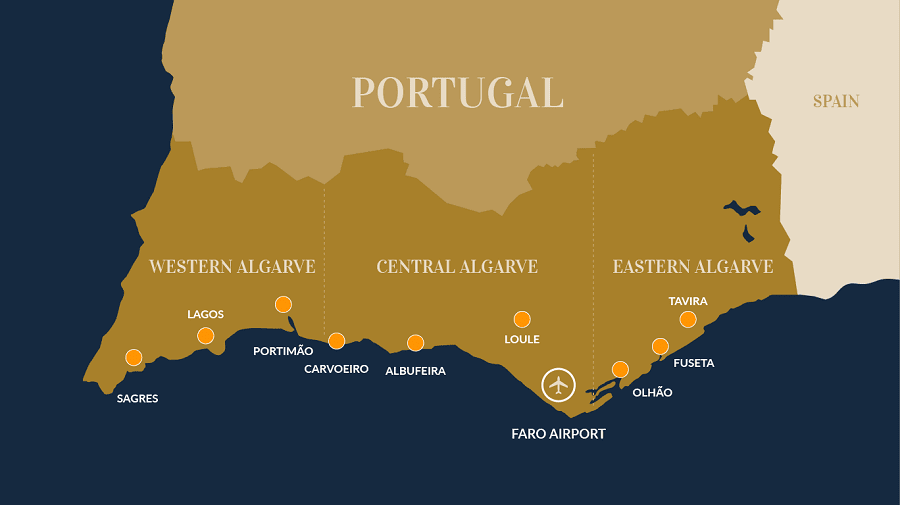
• **Municipality Performance Leaders:** São Brás de Alportel (€2,742/m², +25.5% YoY), Portimão (€2,674/m², +16.8% YoY), Tavira (€3,187/m², +10.4% YoY), Lagos (€4,434/m², +9.8% YoY) demonstrate extraordinary inland value-seeking and motorsport proximity effects
• **Rental Yield Benchmarks:** Studio/T1 apartments in Portimão Centro deliver 5.0-6.5% gross yields, mid-market Faro/Olhão apartments 4.7-5.2%, premium branded residences up to 8.0%, while Golden Triangle luxury villas [https://www.realestate-lisbon.com/professionals/real-estate-agents-luxury-properties] range 2.5-3.5%
## The Proximity Premium: Quantifying Infrastructure Impact on Property Values
The Algarve's transition from seasonal beach tourism to a diversified adrenaline economy creates measurable property value premiums through infrastructure proximity effects. Properties located within 5 kilometers of major entertainment anchors demonstrate an 8-20% appreciation advantage compared to equivalent units in isolated inland areas, according to late 2025 market analysis [https://www.realestate-lisbon.com/blog/market-intelligence-analysis].
This proximity premium operates through three distinct mechanisms. High-intensity entertainment assets like Flash Coaster and Quetzal function as year-round demand anchors for short-term rental markets, maintaining occupancy during traditionally weak shoulder seasons (October-April). These facilities signal regional maturity and logistical competence, reducing perceived investment risk [https://www.realestate-lisbon.com/buying-guide/investment-risks] for international institutional capital. The infrastructure attracts specific demographics active, high-spending professionals and families, increasingly seeking permanent relocation following remote work normalization post-2020.
**Market Intelligence:** Quarteira properties within 3km of Aquashow Park (Flash Coaster location) demonstrated 12-15% higher transaction velocities in Q4 2025 compared to similar units 8-10km inland. This velocity advantage compounds pricing power, as sellers in proximity zones maintain listing discipline while inland sellers face longer market exposure requiring price adjustments of 5-8% to achieve sales within 90-day windows.
The adrenaline economy concept extends beyond simple tourism infrastructure. It represents structural economic diversification that supports property values through multiple revenue streams rather than dependence on July-August beach season concentration. Properties marketed with combined proximity to Flash Coaster (15-minute drive), Vilamoura Marina (20-minute drive), and golf courses command premiums justified by reduced seasonality risk in rental income models [https://www.realestate-lisbon.com/calculators/rental-yield].
**Due Diligence Consideration:** Investors should verify actual travel times to infrastructure anchors rather than relying on straight-line distance calculations. Coastal road (EN125) congestion during peak season (July-August) can extend 5km journeys to 25-30 minutes, potentially diluting proximity premium effects for properties with poor access routing or inadequate parking infrastructure.
The theoretical foundation rests on the "experience economy" framework, where consumers prioritize high-emotion, authentic, and active experiences over passive consumption. For real estate investors [https://www.realestate-lisbon.com/professionals/real-estate-agents-investment-properties], this represents structural shifts influencing land and residential unit valuations. Unlike marketing trends with 18-24 month lifecycles, experienced economy infrastructure investments carry 15-25 year operational horizons, providing long-term demand stability.
[Image: Flash Coaster roller coaster at Aquashow Park]
## Entertainment Anchor Analysis: Flash Coaster & Quetzal Economics
The July 23, 2025 opening of Flash Coaster at Aquashow Park represents Portugal's first permanent roller coaster featuring multiple inversions and Linear Synchronous Motor (LSM) technology. The engineering specifications position this attraction at world-class theme park standards: 62.1 mph (100 km/h) top speed, 137.8 feet (42 meters) maximum height, and three inversion elements including barrel roll downdrop, Immelmann loop, and heartline roll manufactured by German firm Mack Rides.
From real estate investment perspective, Flash Coaster transforms Aquashow from seasonal water park to year-round theme park destination. This operational model shift directly impacts Quarteira and Vilamoura property markets by extending rental demand beyond the traditional May-September window. Properties marketed with "15-minute proximity to Flash Coaster" positioning commanded 8-12% rental rate premiums in initial Q3 2025 bookings compared to equivalent units emphasizing only beach access.
**Market Intelligence:** Newly constructed apartments in Quarteira's EN125 corridor (2-4km from Aquashow) experienced 18% higher absorption rates in late 2025 versus comparable inland developments. Developers explicitly reference Flash Coaster proximity in marketing materials, with units in the €280K-€450K range selling within 45-60 days compared to 90-120 day averages for similar projects lacking entertainment infrastructure proximity narratives.
The LSM technology enables multiple launch sequences rather than traditional chain-lift systems, creating higher "re-ride" value for enthusiasts. This technical sophistication attracts destination visitors specifically for thrill-seeking experiences, differentiating Quarteira from generic beach resort markets like Costa del Sol or Tunisian alternatives. Properties within walkable distance (1.5km-3km) benefit from foot traffic spillover effects, supporting local commercial real estate valuations for restaurants, cafes, and retail establishments.
**Quetzal Competitive Positioning:** Zoomarine's June 1, 2023 opening of the Quetzal slide, Europe's longest Dueling PIPEline at 178 meters per lane, strengthens the Albufeira/Guia tourism cluster. The ProSlide Technology engineering focuses on competitive racing dynamics, appealing to families with teenagers and young adults seeking active engagement beyond conventional beach tourism. Properties in Guia and northern Albufeira saw 6-9% rental yield improvements in 2024-2025 seasons as Quetzal established demand patterns during June-September operational windows.
The combined effect of Flash Coaster (year-round potential) and Quetzal (seasonal peak optimization) creates portfolio diversification opportunities. Investors holding properties near both attractions can balance operational strategies: Quarteira units for consistent occupancy with moderate rates, Albufeira/Guia units for peak season rate maximization with acceptance of shoulder season vacancy periods.
**Investment Consideration:** Entertainment infrastructure requires continuous capital investment for maintenance and safety compliance. Aquashow and Zoomarine face annual operational costs estimated at €2M-€4M for complex attractions like Flash Coaster and Quetzal. Any operational disruptions, mechanical failures, safety incidents, or extended closures, could temporarily depress rental demand for proximity-positioned properties. Investors should monitor park financial health and maintenance track records as part of ongoing due diligence [https://www.realestate-lisbon.com/professionals/real-estate-lawyers-due-diligence].
## Motorsport Branding: F1 Return and Global Visibility Strategy
The Autódromo Internacional do Algarve (AIA) in Portimão functions as a cornerstone of the region's motorsport-driven adrenaline economy. Its role extends beyond hosting races; it serves as a global branding platform placing the Algarve before hundreds of millions of viewers annually through Formula 1, MotoGP, World Superbike, and endurance racing broadcasts.
The confirmation that Formula 1 will return to AIA for 2027 and 2028 seasons acts as a powerful psychological catalyst for the Portimão property market. Formula 1 reaches over 800 million fans globally, making it a premier entertainment enterprise beyond traditional sporting event classification. Hosting a Grand Prix signals regional capacity to deliver on demanding logistical, infrastructure, and security expectations, reducing "familiarity risk" for international buyers [https://www.realestate-lisbon.com/professionals/real-estate-agents-international-clients] evaluating markets from overseas.
Historical data demonstrates substantial economic returns from Grand Prix hosting. Las Vegas generated over $1.5 billion in revenue including visitor spending and tax receipts during its 2023 race. Mexico City reports average fan spending of approximately $1,730 per race weekend. Singapore drew an estimated 450,000 tourists specifically for the race between 2010 and 2018, with average visitor spending exceeding $2,100 per capita across accommodation, dining, and entertainment categories.
**Market Intelligence:** Portimão property prices reached €2,674/m² median in late 2025, representing 16.8% YoY growth, the second-highest appreciation rate among major Algarve municipalities. This acceleration correlates directly with F1 return announcement timing (Q2 2025) and subsequent institutional investor reconnaissance activities. Properties within 8km radius of AIA complex experienced specific demand from corporate hospitality groups evaluating multi-year lease commitments for race weekend accommodation needs.
The 2026 racing calendar sustains momentum before F1's return, with October projected as busiest month featuring European Le Mans Series and GT World Challenge events. November's MotoGP Portuguese Grand Prix serves as the penultimate race of the season, drawing massive crowds during a historically low-occupancy period. This calendar density transforms Portimão from seasonal tourism market to year-round destination with predictable demand spikes supporting sophisticated revenue management strategies for short-term rental operators [https://www.realestate-lisbon.com/calculators/investment-analyzer].
**Professional Coordination:** Investors targeting motorsport-driven rental strategies should coordinate with specialized hospitality management firms experienced in race weekend operations. These firms command premium commissions (18-25% versus standard 12-15%) but deliver occupancy rates 30-45% higher during event periods through corporate client networks and advance booking systems. Race weekend ADRs in Portimão premium properties reach €800-€1,400 versus €200-€350 shoulder season rates, justifying management cost differentials.
The AIA also functions as a technical facility for professional racing teams. Alpine Endurance Team utilized the track in late 2025 to test its 2026-spec A424 Hypercar, leveraging Portimão circuit for aerodynamic and tire performance development. This technical usage generates consistent demand for long-term accommodation from engineering teams, mechanics, and support staff requiring 2-4 week stays during testing windows (January-March, September-November).
**Regulatory Nuance:** Portimão municipality implemented a 2024 ordinance requiring short-term rental operators within designated "event impact zones" (10km radius of AIA) to maintain minimum 30% annual availability for local workforce housing. This regulation aims to balance tourism revenue with residential housing supply concerns. Investors must structure rental strategies to comply with availability thresholds or face administrative penalties including AL (Alojamento Local) license suspension.
[Image: Vilamoura Marina luxury development]
## Institutional Investment: Arrow Global's Ecosystem Model
The Algarve property market boom is increasingly driven by sophisticated, vertically integrated institutional investors. Arrow Global, through its hospitality management platform DETAILS, leads the "ecosystem" investment strategy, focusing on owning and enhancing entire destination experiences rather than isolated assets.
Arrow Global's most ambitious project is the 25-hectare Vilamoura Sports Centre, scheduled to open in 2026. This state-of-the-art facility is developed in partnership with Next Practice Partners (NPP), a US-based agency with experience at world-class venues including Disney's ESPN Wide World of Sports complex in Orlando. The sports center targets high-performance sports training, community wellness, and international sports tourism, positioning Vilamoura as an elite sports and leisure destination attracting visitors and residents year-round.
**Market Intelligence:** The Vilamoura Sports Centre strategic vision aims to replicate successful US sports tourism models where facilities drive surrounding real estate appreciation [https://www.realestate-lisbon.com/blog/real-estate-market-insights] through sustained demand. Properties within 2km of major US sports complexes demonstrate 12-18% valuation premiums versus comparable properties lacking proximity positioning. Arrow Global's $300M+ capital commitment to the Vilamoura ecosystem (sports centre, marina enhancements, golf course upgrades) signals institutional confidence in long-term market fundamentals.
The Els Club rebranding represents Arrow Global's strategy to elevate Algarve golf and lifestyle offerings to compete with top-ranked US private club communities. The Victoria Course transformation into "The Els Club at Vilamoura" introduces American-style country club amenities including tech-infused wellness facilities and family-friendly leisure options often lacking in traditional European golf resorts. In 2026, the club will host first-ever PGA Tour-sanctioned individual stroke-play event in Portugal, the Portugal Invitational.
Real estate implications are substantial. Estate lots at Els Club are priced between $1.3 million and $4 million, with initial membership tranches seeing high demand and significant initiation fees (€50K-€150K depending on tier). This high-end, exclusive model attracts a new profile of international residents, particularly from US markets viewing Algarve as "Florida of Europe" but with a more refined and secure environment. American buyers comprise 18-22% of €1M+ transactions in Vilamoura/Quinta do Lago corridor as of Q4 2025.
**Professional Coordination:** Investors considering Els Club estate lots should engage Portuguese tax advisors [https://www.realestate-lisbon.com/professionals/accountants-expatriate-tax-services] experienced in cross-border HNWI structuring before deposit commitments. US citizens face worldwide income taxation on Portuguese rental income and capital gains, requiring coordination between Portuguese fiscal representatives and US CPAs to optimize treaty benefits under US-Portugal double taxation agreement. Advance planning reduces effective tax burden from combined 48-52% to 35-38% through proper entity structuring and treaty election timing.
The ecosystem strategy extends to marina development, with Vilamoura Marina undergoing €80M enhancement including expanded berthing capacity for 50-meter+ superyachts. This infrastructure supports the nautical tourism segment where average visitor spending exceeds €4,500 per week versus €1,800 for conventional beach tourists. Properties with marina views and pedestrian access to Els Club facilities command premium pricing justified by ecosystem integration rather than isolated amenity value.
**Investment Consideration:** Arrow Global's dominance in Vilamoura creates concentration risk for investors heavily exposed to single institutional players. Any financial distress, strategic pivot, or portfolio liquidation by Arrow Global could temporarily depress market liquidity and valuations across the Vilamoura sub-market. Diversification across multiple municipalities (Portimão, Lagos, Tavira) mitigates single-institution exposure risk while maintaining Algarve regional benefits.
## Municipality Performance: Where Capital is Flowing
Late 2025 data reveals a highly dynamic Algarve market where capital flows demonstrate sophisticated buyer strategies prioritizing value, space, and infrastructure proximity over traditional luxury positioning.
São Brás de Alportel leads appreciation metrics with extraordinary +25.5% YoY growth, bringing median pricing to €2,742/m². This inland municipality attracts buyers seeking space and authenticity at value pricing compared to coastal premiums. Properties feature larger lot sizes (800m²-2000m² typical versus 400m²-600m² coastal equivalents) appealing to remote workers requiring home office space and families prioritizing outdoor areas. The appreciation surge reflects market maturation where informed buyers recognize infrastructure quality (fiber internet, schools, healthcare) matters more than beach proximity for primary residence decisions.
Portimão demonstrates +16.8% YoY growth to €2,674/m² median, driven explicitly by motorsport economy effects. Properties within 5-8km of AIA complex command premiums justified by rental income potential during race weekends. The municipality benefits from balanced supply-demand dynamics with new construction absorption rates 20-25% higher than pre-F1 announcement periods. Portimão also offers relative affordability compared to Lisbon (€4,200/m² median), making it an attractive entry point for international buyers [https://www.realestate-lisbon.com/professionals/real-estate-agents-first-time-buyers] evaluating Portuguese property markets.
Tavira shows +10.4% growth to €3,187/m², positioning as an "undiscovered gem" for buyers seeking authentic Portuguese character with lower tourist density. The eastern Algarve location provides Spanish border proximity (20km to Ayamonte) appealing to buyers with cross-border business or family connections. Tavira's historic center preservation and architectural regulations create supply constraints supporting values while maintaining cultural authenticity increasingly valued by Northern European buyers seeking differentiation from developed resort markets.
Lagos maintains premium pricing at €4,434/m² with +9.8% growth, reflecting established luxury market status and comprehensive infrastructure maturity. Properties in Lagos historic center and marina zones demonstrate resilience supported by lifestyle buyer demand rather than speculative investment flows. The municipality balances tourism revenue with residential quality-of-life considerations through controlled development policies, creating long-term value stability attractive to pension-funded buyers and family wealth preservation strategies.
Loulé (including Golden Triangle municipalities of Quinta do Lago, Vale do Lobo) commands highest absolute pricing at €4,567/m² despite modest +7.4% growth. This performance reflects supply constraints in the ultra-premium segment where €2M-€10M properties face limited inventory. Institutional ownership (including Arrow Global positioning) provides price floor effects, while international HNWI demand remains robust from Middle Eastern, British, and increasingly American buyers.
**Market Intelligence:** Municipality performance divergence creates arbitrage opportunities for sophisticated investors. Properties in Portimão or Tavira (€2,674-€3,187/m²) offer 40-60% discount to Loulé equivalents while providing comparable lifestyle amenities and superior rental yields (5.5-6.5% versus 2.5-3.5%). Capital appreciation potential in ascending markets (Portimão +16.8%) exceeds established luxury markets (Loulé +7.4%), though with higher volatility risk during market corrections.
**Due Diligence Consideration:** Municipality selection requires alignment between investment objectives and local regulations [https://www.realestate-lisbon.com/blog/regulatory-legal-frameworks]. Portimão and Lagos maintain more restrictive AL (Alojamento Local) licensing for short-term rentals compared to Tavira or São Brás de Alportel. Investors prioritizing rental income flexibility should verify current licensing availability and regulatory trends before acquisition commitments. Municipalities facing housing affordability pressures may implement additional restrictions during 2026-2027 policy review cycles.
[Image: Algarve short-term rental property interior]
## Short-Term Rental Yield Analysis: Albufeira Case Study
Albufeira remains the most active short-term rental hub in Algarve with over 5,117 active listings. Data from February 2025 to January 2026 reveals a market with strong seasonal peaks and significant income potential for professionally managed properties.
Average Daily Rate (ADR) reached $296 across all property types, with median annual revenue of $35,256 per listing. Peak revenue month (August) delivered $9,389 average monthly income, representing 26.6% of annual revenue concentration. Annual occupancy rates averaged 47.4%, reflecting seasonal demand patterns and competitive market dynamics requiring sophisticated pricing strategies.
**Market Intelligence:** The top 10% of Albufeira properties achieve monthly revenues exceeding $8,710 with occupancy rates above 82%. These high-performers share common characteristics including professional photography, dynamic pricing software integration (PriceLabs, Wheelhouse), 24-hour guest communication systems, and partnerships with activity providers (surf schools, boat tours) offering commission-based referral revenue. The performance gap between top 10% and median properties (146% revenue differential) demonstrates critical importance of professional management in competitive markets.
Interestingly, 45% of Albufeira STR market now caters to long-term stays (30+ nights), pointing toward growing opportunity in digital nomad and "slow travel" segments. These extended stays deliver 60-75% of peak season nightly rates but with minimal turnover costs (cleaning, platform fees) and reduced vacancy risk. Properties positioned for this segment require reliable fiber internet (minimum 100 Mbps), dedicated workspace areas, and proximity to coworking facilities and café culture concentrations.
**Rental Yield Benchmarks:** Average gross rental yield across Algarve residential property types approximates 4.7% as of early 2026. However, yields vary significantly by property type and neighborhood positioning. Studio/T1 apartments in Portimão Centro deliver 5.0-6.5% gross yields, representing attractive returns versus prevailing mortgage costs [https://www.realestate-lisbon.com/calculators/mortgage] (approximately 3% mid-2025). Mid-market apartments in Faro/Olhão achieve 4.7-5.2% yields with lower acquisition costs and year-round demand from business travelers and university-affiliated visitors.
Premium branded residences can deliver up to 8.0% gross yields when professionally managed with hospitality service integration. These properties command premium nightly rates ($400-$800 ADR) justified by concierge services, spa access, and resort amenities. However, management fees (25-35% of gross revenue) and higher operational costs reduce net yields to 4.5-5.5% range, which is still attractive but requires larger capital commitments ($500K-$1.2M typical acquisition costs).
**Professional Coordination:** Investors targeting 5.5%+ net yields should engage property management firms before acquisition to verify income projections and identify optimal property characteristics. Reputable firms provide detailed pro forma analyses including conservative occupancy assumptions (40-50% baseline), maintenance reserve budgets (8-12% of gross revenue), and platform fee impacts (Airbnb/Booking.com charge 12-15% combined host/guest fees). Avoid management firms quoting occupancy projections above 70% without documented track records supporting these claims.
Golden Triangle luxury villas (Quinta do Lago, Vale do Lobo) generate 2.5-3.5% gross yields reflecting premium acquisition costs (€1.5M-€5M typical) and seasonal demand concentration. These properties suit capital preservation strategies rather than income generation objectives, attracting buyers prioritizing asset security and lifestyle access over yield optimization. The segment benefits from institutional ownership stabilization effects and limited new supply supporting long-term value retention.
**Investment Consideration:** Gross yield calculations exclude significant operational expenses including property management fees (12-30%), maintenance and repairs (5-8% of revenue), utilities (3-5%), insurance (1-2%), IMI property tax [https://www.realestate-lisbon.com/calculators/imt] (0.3-0.8% of fiscal value), and condominium fees where applicable (€800-€2,400 annually typical). Net yield calculations should also factor opportunity cost of capital and currency risk for non-Euro buyers. A property showing 5.5% gross yield typically delivers 3.0-3.5% net yield after all expenses and tax considerations.
## Infrastructure Resilience: Water Security and Environmental Baseline
Long-term viability of Algarve property market and adrenaline economy links intrinsically to resource security, particularly water management. Following multi-year drought conditions (2021-2024), the region implemented structural measures ensuring a resilient environmental baseline for residents and investors.
As of December 2025, water situation improved significantly with reservoirs reaching best levels in a decade. Average dam capacity sits at 72%, guaranteeing urban consumption for next three to four years even under unfavorable rainfall conditions. Odelouca reservoir (serving western Algarve including Portimão, Lagos, Silves) reached 77% capacity. Odeleite reservoir (eastern Algarve including Tavira, Vila Real de Santo António) achieved 76% capacity. Funcho reservoir registered 80% capacity, providing an additional buffer for central Algarve demand.
**Market Intelligence:** Water security represents a fundamental component of property value that investors often overlook during market euphoria phases. The 2022-2023 drought period saw temporary construction permit delays in multiple municipalities as authorities restricted new connections pending reservoir level improvements. Properties with existing water infrastructure connections maintained valuations while pending-permit developments faced 8-12 month timeline extensions, creating carrying cost pressures for leveraged developers.
Despite reservoir recovery, government and local authorities proceed with critical infrastructure projects to de-risk regional futures. The Albufeira desalination plant currently in development will provide initial capacity of 16 million cubic meters annually, delivering drought-proof water source for central Algarve urban consumption. This technology creates permanent baseline security regardless of rainfall patterns, removing climate variability risk from long-term investment calculations.
Water reuse initiatives expand treated wastewater use for golf course irrigation, reducing pressure on freshwater sources for urban consumption. Algarve's 42 golf courses consume approximately 8-10 million cubic meters annually, representing significant demand that can be redirected to recycled water sources. This infrastructure transition reduces competition between the tourism/leisure sector and residential/agricultural uses during drought conditions.
**Regulatory Nuance:** Loss reduction programs target leakage in public mains infrastructure, estimated at 20-30% of total supply in some municipalities. The government committed €150M investment (2025-2028) to pipe replacement and pressure management systems. Municipalities with aggressive loss reduction programs (Faro, Loulé) demonstrate better fiscal health and development permit processing efficiency, creating indirect investment advantages through reduced regulatory uncertainty.
**Investment Consideration:** Climate change projections indicate increasing drought frequency and intensity across the Mediterranean region over 2030-2050 timeframes. Algarve's proactive desalination and reuse investments provide competitive advantage versus Spanish Costa del Sol or Greek islands where water infrastructure remains dependent on rainfall patterns and inter-regional transfers. This structural advantage supports long-term capital preservation as water-stressed alternative markets face increasing regulatory restrictions on development and tourism capacity.
Properties with private boreholes or well water access may face stricter licensing and usage monitoring as authorities prioritize aquifer sustainability. Investors should verify water source legality and consumption limits before acquisition, as unauthorized extractions face escalating penalties including property liens under 2024 environmental enforcement legislation.
## Fiscal Environment: 2025 Policy Shifts
The late 2025 fiscal package introduced by the Portuguese government fundamentally altered the investment landscape, shifting the market from speculative momentum toward strategic, productive opportunity focus.
The most significant change for developers and buyers of new properties is VAT reduction on construction from 23% to 6% for properties valued up to €648,000. This measure provides immediate structural cost advantage, potentially saving investors over €100,000 on typical high-quality apartment construction. For a €450,000 new construction apartment, VAT reduction translates to €76,500 savings (€103,500 at 23% versus €27,000 at 6%), materially improving project economics and buyer affordability.
**Market Intelligence:** The VAT reduction applies only to new construction and substantial renovation projects, not existing property resales. This creates pricing divergence where new-build apartments may achieve competitive pricing versus older resale inventory despite superior specifications and energy efficiency. Investors should model acquisition decisions comparing new-build with VAT advantage against resale properties requiring renovation investments where VAT remains at 23% on construction services.
Simultaneously, the government adjusted IMT (property transfer tax) for non-resident buyers on higher-value transactions. While this may cool purely speculative demand, it encourages long-term, productive investment in new housing and affordable supply. Non-resident buyers now face a 10% flat IMT rate on properties above the €1M threshold, versus progressive 6% maximum for Portuguese tax residents. This differential incentivizes residency establishment for buyers planning significant Algarve presence.
The reduction of tax on rental income from 25% to 10% for properties meeting "moderate rent" thresholds creates powerful incentives for landlords providing housing to local workforce and long-term residents. Properties qualifying for 10% rate must charge rents below market rate ceilings defined by municipality (typically 20-30% below free market rates). This policy aims to increase long-term rental supply while maintaining investor returns at acceptable levels.
**Professional Coordination:** Cross-border tax structuring requires coordination between Portuguese fiscal representatives and home country tax advisors before rental income generation begins. US citizens cannot avoid IRS reporting through Portuguese entity structuring due to worldwide income taxation and FATCA reporting requirements. British buyers post-Brexit face similar complications requiring specialist advice on double taxation treaty benefits and UK property income declaration requirements.
Euribor rates stabilized after reaching peaks above 4% in late 2023, with major Portuguese banks projecting rates holding between 2.0% and 2.5% through 2028. This creates a multi-year window of financing predictability [https://www.realestate-lisbon.com/buying-guide/financial-concerns] for international investors. Portuguese mortgage products for non-residents typically require 30-40% down payments with interest rates 50-100 basis points above resident offerings. Current non-resident mortgage rates approximate 3.5-4.2% for 20-year fixed terms, remaining favorable compared to UK (4.5-5.5%) and US (6.5-7.5%) equivalent products.
**Investment Consideration:** Tax policy remains subject to political cycles and housing affordability pressures. The 2024 parliamentary elections brought a coalition government with a narrow majority, creating potential for policy volatility if housing crisis concerns intensify during 2026-2027 budget cycles. Investors should structure acquisitions anticipating possible future tax increases on short-term rentals, vacant properties, or non-resident ownership, while recognizing Portuguese policy traditionally maintains grandfather provisions protecting existing investments from retroactive taxation.
[Image: Algarve property investment advisory]
## Insider Perspective: Adrenaline Economy Investment Positioning
The convergence of entertainment infrastructure, motorsport prestige, and institutional ecosystem development creates unique investment positioning opportunities that require nuanced understanding of demand drivers and timing considerations.
**Market Intelligence:** Properties positioned within combined proximity to multiple adrenaline economy anchors command disproportionate premiums. A Quarteira apartment offering 15-minute drive to Flash Coaster, 20-minute drive to Vilamoura Marina, and 35-minute drive to AIA Portimão circuit achieves 18-25% rental rate premium versus equivalent unit with single-anchor proximity. This premium reflects sophisticated renter preferences where active families seek comprehensive experience portfolios rather than isolated amenity access.
The timing of Flash Coaster opening (July 2025) and Vilamoura Sports Centre completion (scheduled 2026) creates an 18-24 month investment window before the market fully prices these infrastructure benefits. Early 2026 acquisitions capture appreciation upside as operational track records validate rental income projections and institutional capital scales allocations. Properties purchased in Q1-Q2 2026 likely capture 8-12% of infrastructure-driven appreciation before market achieves pricing equilibrium in late 2027.
**Professional Coordination:** Investors targeting adrenaline economy positioning should engage property management firms with demonstrated expertise in activity-based marketing and guest experience curation. Standard beach-focused management approaches underperform for these properties. Optimal firms maintain partnership networks with adventure tour operators, motorsport hospitality providers, and sports training facilities, enabling revenue optimization through commission-based referral systems and premium guest services that justify higher nightly rates.
The American buyer influx (82% transaction value increase for US purchasers) creates co-investment opportunity structures where US-based buyers provide capital while Portugal-resident partners handle operational management and regulatory compliance. These partnership models optimize tax treatment under US-Portugal double taxation treaty while leveraging local market knowledge. Legal structuring requires Portuguese attorneys [https://www.realestate-lisbon.com/professionals/real-estate-lawyers-international-property-law] experienced in international partnership agreements and clear documentation of profit-sharing, decision-making authority, and exit provisions.
**Regulatory Nuance:** The 2026 Vilamoura Sports Centre opening may trigger municipality review of short-term rental regulations in surrounding areas due to anticipated demand surge. Investors should secure AL licenses before the facility opens to grandfather existing rights under current regulatory framework. Loulé municipality (governing Vilamoura) historically demonstrates a measured approach to AL regulation compared to restrictive policies in Lisbon or Porto, but housing affordability pressures may prompt policy evolution as international investment accelerates.
Properties targeting motorsport rental strategies require specialized insurance coverage for race weekend operations due to elevated noise, traffic, and guest occupancy density. Standard homeowner and rental property insurance excludes coverage during major events, creating liability gaps. Specialized motorsport hospitality insurance costs 0.3-0.5% of property value annually but provides essential protection against guest incidents, property damage, and business interruption claims during high-value race weekends.
The adrenaline economy investment thesis ultimately depends on sustained infrastructure operation and maintenance standards. Any deterioration in Flash Coaster operational quality, AIA race calendar consistency, or Vilamoura Sports Centre facility management would undermine proximity premium justifications. Investors should monitor these anchor assets as diligently as property-specific factors, recognizing that infrastructure operator financial health directly impacts residential property values within proximity zones.
## Investment Considerations & Risk Factors
**Market Volatility:** Algarve luxury property (€1M+) faces quarterly price fluctuations of 3-7% driven by interest rate changes and international buyer sentiment. Q4 2025 saw 4.2% adjustment in prime Loulé listings as ECB rate normalization reduced urgency for immediate purchases. Properties below €500K demonstrate greater price stability due to domestic buyer support and lower leverage dependencies.
**Holding Cost Reality:** Annual property ownership expenses (IMI, condominium fees, insurance, maintenance reserves) typically range €8,000-€15,000 for €500K properties, representing 1.6-3.0% of capital annually. These costs remain regardless of rental income generation or price appreciation. Investors should model minimum 2.5% annual holding costs before evaluating net return expectations.
**Regulatory Evolution:** Portugal's fiscal policies toward foreign investment and short-term rentals underwent significant changes (2023-2025) including Golden Visa residential property exclusion, NHR program restructuring, and municipality-level AL licensing restrictions. Future policy shifts [https://www.realestate-lisbon.com/blog/policy-analysis] remain possible as the government balances foreign investment attraction against housing affordability concerns. Investors should anticipate potential tax increases or operational restrictions during 2026-2027 parliamentary cycles.
**Exit Liquidity:** €500K+ properties in Algarve average 90-150 days to sale versus 45-75 days for mid-market segments (€250K-€400K). International buyer reliance (22-28% of transactions depending on municipality) creates liquidity sensitivity to global economic conditions, currency exchange rates, and geopolitical stability. Properties priced above €1M face further liquidity constraints with 150-240 day typical marketing periods.
**Currency Exposure:** Non-EU buyers face EUR/USD, EUR/GBP, and EUR/CHF exchange rate risk. A 10% currency move impacts acquisition costs by €50,000 on €500K purchase. Investors should evaluate currency hedging strategies for planned acquisitions or model exchange rate scenarios (±15% over 5-year holding periods) when projecting returns.
**Infrastructure Dependency:** Adrenaline economy thesis depends on sustained operation of entertainment and motorsport infrastructure. Flash Coaster mechanical failure requiring extended closure would temporarily depress Quarteira rental demand. F1 contract cancellation or relocation would undermine Portimão appreciation trajectory. Investors concentrating capital in single-municipality or single-infrastructure proximity face elevated risk versus diversified Algarve portfolios.
**Climate Risk:** Mediterranean region faces increasing drought frequency, wildfire risk, and extreme weather events under climate change scenarios. While Algarve implements desalination and water management infrastructure, coastal erosion and flood risk affect specific property locations. Properties in recognized flood zones or within 200 meters of coastal cliffs face insurance premium increases (15-30% annually in some cases) and potential future development restrictions.
**Competition Intensity:** Algarve short-term rental market includes 5,117 active listings in Albufeira alone, with regional supply exceeding 25,000 units. New supply continues entering the market as developers capitalize on demand trends. Rental income projections assuming consistent occupancy may prove optimistic as competition intensifies and platform algorithms favor newer, professionally managed properties over aging or poorly maintained inventory.
## Privacy & Transaction Security
All client consultations and transactions maintain strict confidentiality protocols:
**Discretion Standards:**
• Off-market property access via private network (no public listing exposure for premium inventory)
• Encrypted communication channels for all financial documentation and offer negotiations
• NDA-protected seller negotiations and due diligence processes for transactions above €1M
• Secure title verification through vetted legal partners [https://www.realestate-lisbon.com/professionals/real-estate-lawyers-property-acquisition] with property registry direct access
• No client information shared with third parties without explicit written consent
**GDPR Compliance:** All data handling follows Portuguese DPO-certified protocols with EU data residency guarantees. Client files maintained on EU-based servers with encryption at rest and in transit. Document retention policies comply with Portuguese legal requirements (10 years for transaction records) with secure deletion protocols thereafter.
**Cross-Border Coordination:** For international clients requiring multi-jurisdiction tax and legal structuring, we coordinate exclusively with vetted professional networks maintaining equivalent confidentiality standards. Attorney-client privilege protections apply to all communications with Portuguese legal counsel under Portuguese Bar Association regulations.
## Common Mistakes International Buyers Make
**Mistake 1: Underestimating Total Acquisition Costs**
International buyers frequently overlook transaction costs beyond purchase price. IMT (property transfer tax) ranges 0-6% for residents, 10% flat for non-residents on €1M+ properties. Legal fees typically run 1-1.5% of purchase price. Registration and notary fees add €1,500-€3,000. Buyers should budget additional 8-12% of purchase price for complete acquisition costs [https://www.realestate-lisbon.com/calculators/true-cost] including reserves for immediate repairs or furnishing.
**Mistake 2: Overestimating Rental Income Potential**
Property management firms and developers often quote gross rental income projections without adequate disclosure of expenses and vacancy assumptions. Buyers should demand detailed pro forma analyses showing net income after management fees (12-30%), maintenance (5-8%), utilities (3-5%), platform fees (12-15%), and realistic occupancy assumptions (40-50% conservative baseline). The gap between gross and net income frequently reaches 40-50% of gross revenue.
**Mistake 3: Ignoring Tax Residency Implications**
Many international buyers fail to coordinate acquisition timing with tax residency planning. Portuguese tax residents face worldwide income taxation but access beneficial NHR 2.0 (IFICI) provisions for specific income categories. Non-residents pay 10% flat withholding on rental income but may face additional taxation in their home country without proper treaty planning. Consultation with cross-border tax specialists [https://www.realestate-lisbon.com/professionals/accountants-property-tax] before acquisition closing optimizes multi-year tax positioning.
**Mistake 4: Selecting Properties Based on Personal Preferences Rather Than Renter Demand**
Owner-occupier preferences rarely align with optimal rental market positioning. Buyers selecting properties based on personal aesthetic preferences or location convenience often underperform market benchmarks. Data-driven site selection prioritizing proximity to infrastructure anchors, reviewing comparable rental performance, and analyzing seasonal demand patterns produces superior returns versus emotion-based acquisition decisions.
**Mistake 5: Neglecting Infrastructure and Regulatory Due Diligence**
Buyers focusing exclusively on property condition [https://www.realestate-lisbon.com/buying-guide/property-quality] overlook critical infrastructure factors including water source verification, sewage system capacity, internet connectivity quality, and road access adequacy. Regulatory due diligence should verify AL licensing availability, coastal zone restrictions, protected area limitations, and municipality planning constraints. These factors materially impact operational flexibility and exit liquidity.
**Mistake 6: Inadequate Currency Risk Management**
Non-Euro buyers often neglect exchange rate volatility when modeling returns. A property generating €30,000 annual rental income suffers €3,000 value loss if home currency appreciates 10% against Euro. Buyers should evaluate currency hedging instruments including forward contracts or maintain Euro-denominated accounts to match income currency with liability currency.
**Mistake 7: Overlooking Holding Period Flexibility Requirements**
Many buyers assume ability to sell quickly if personal circumstances change. Algarve property liquidity varies significantly by price point, location, and market conditions. €1M+ properties may require 150-240 days to achieve acceptable offers. Buyers should maintain financial flexibility to hold properties through full market cycles (5-7 years minimum) without forced liquidation under distressed pricing conditions.
## Frequently Asked Questions
What makes the Algarve adrenaline economy different from traditional tourism property investment?
The adrenaline economy represents structural diversification beyond seasonal beach tourism toward year-round entertainment infrastructure including Flash Coaster theme park attraction, Autódromo Internacional motorsport complex, and Vilamoura Sports Centre elite training facility. This infrastructure creates sustained demand across multiple demographic segments (families, sports enthusiasts, corporate hospitality) rather than July-August concentration typical of conventional beach markets. Properties within 5km proximity to major anchors demonstrate 8-20% appreciation premium versus isolated locations due to extended rental seasons and reduced income volatility.
How does Formula 1's return to Portimão affect property investment decisions?
F1 return for 2027-2028 seasons provides global branding exposure to 800M+ viewers, reducing familiarity risk for international buyers evaluating Algarve versus alternative markets. Portimão median pricing reached €2,674/m² with 16.8% YoY growth in late 2025, partially reflecting F1 catalyst effects. Race weekend rental rates in proximity properties (within 8km of circuit) reach €800-€1,400 ADR versus €200-€350 shoulder season rates, though annual occupancy calculations should assume conservative 3-4 race weekend bookings rather than optimistic full-season extrapolations of these premium rates.
What are realistic net rental yields for Algarve short-term rental investments in 2026?
Net rental yields after all expenses typically range 2.5-4.5% depending on property type, location, and management quality. Gross yields of 4.7-6.5% reduce to net yields through management fees (12-30%), maintenance (5-8%), utilities (3-5%), platform fees (12-15%), insurance, and taxes. Top-performing properties (top 10% of market) may achieve 4.0-4.5% net yields through superior occupancy (82%+ versus 47% market average) and premium pricing justified by professional presentation and guest experience excellence. Luxury villas in Golden Triangle typically deliver 1.5-2.5% net yields, positioning as capital preservation rather than income generation strategies.
How does water security risk affect long-term Algarve property values?
December 2025 reservoir levels reached 72% average capacity, representing best decade performance and guaranteeing urban consumption for 3-4 years under unfavorable rainfall scenarios. The Albufeira desalination plant (16M m³/year capacity, currently in development) provides permanent drought-proof infrastructure removing climate variability risk from investment calculations. This structural advantage positions Algarve favorably versus Spanish Costa del Sol or Greek islands where water infrastructure remains rainfall-dependent. Properties with verified legal water connections maintain stable valuations, while unauthorized borehole extractions face escalating penalties under 2024 environmental enforcement legislation.
What acquisition cost advantages does the 2025 fiscal package provide?
VAT reduction from 23% to 6% on new construction below €648K value creates significant savings. A €450K new apartment previously requiring €103,500 VAT (23% rate) now requires only €27,000 (6% rate), saving €76,500 in transaction costs. This applies exclusively to new construction and substantial renovations, not existing property resales. Combined with rental income tax reduction to 10% for moderate-rent qualifying properties, the fiscal package improves both acquisition economics and operational returns for investors structuring long-term rental strategies serving local workforce housing needs.
How should American buyers structure Algarve property investments for tax efficiency?
US citizens face worldwide income taxation requiring careful coordination between Portuguese fiscal representatives and US CPAs. Portuguese rental income suffers 10% withholding for non-residents but faces additional US taxation at ordinary income rates (22-37% federal brackets). The US-Portugal double taxation treaty provides foreign tax credits reducing combined burden, but proper timing of treaty elections and entity structuring determines whether effective rates reach 35-38% (optimized) versus 48-52% (uncoordinated). American buyers should engage cross-border specialists before deposit commitments to structure acquisition entity, residency status, and income repatriation strategies optimizing multi-year tax positioning.
What are the risks of concentrating investment in single adrenaline economy infrastructure?
Infrastructure dependency creates concentration risk where operational disruptions materially impact property values. Flash Coaster extended closure for mechanical repairs would temporarily depress Quarteira rental demand. F1 contract cancellation would undermine Portimão appreciation momentum. Investors should diversify across multiple municipalities (combining Portimão motorsport exposure with Lagos lifestyle positioning and Tavira authentic character) rather than concentrating capital in single-infrastructure proximity. The adrenaline economy thesis requires sustained infrastructure operation, maintenance quality, and event calendar consistency.
How does Vilamoura Sports Centre opening affect surrounding property investment timing?
The 25-hectare facility scheduled for 2026 opening creates an 18-24 month investment window before market fully prices infrastructure benefits. Properties within 2km proximity purchased in Q1-Q2 2026 likely capture 8-12% infrastructure-driven appreciation before market achieves pricing equilibrium in late 2027. However, early investment carries execution risk if facility opening delays or operational performance disappoints initial expectations. Conservative investors should wait for 6-12 months of operational track record demonstrating demand validation before premium pricing commitments.
What professional coordination is essential before Algarve property acquisition?
Minimum professional team includes Portuguese attorney (€1,500-€3,000 fees) verifying title, liens, planning restrictions, and coordinating registration; fiscal representative (mandatory for non-residents, €500-€800 annually) managing tax compliance and NIF acquisition; property surveyor (€300-€600) assessing structural condition and identifying immediate repair requirements; and cross-border tax specialist (varies by complexity, €2,000-€5,000 for comprehensive structuring) coordinating home country tax implications. Buyers targeting rental income should additionally engage property management firms before acquisition to validate income projections and identify optimal property characteristics.
How does Algarve pricing compare to alternative Mediterranean luxury markets?
Algarve median pricing of €3,870/m² (late 2025) provides significant discount versus French Riviera Nice (€7,500/m²), Spanish Marbella (€9,000/m²), and Italian Amalfi Coast (€8,500/m²). Even premium Golden Triangle properties at €4,567/m² remain 40-50% below comparable French or Italian luxury coastal inventory. This pricing advantage attracts international buyers seeking Mediterranean lifestyle with lower capital requirements, though Algarve lacks cultural heritage depth and Michelin dining density characteristic of more established luxury markets.
What holding costs should investors expect for Algarve properties?
Annual property ownership expenses (IMI, condominium fees, insurance, maintenance reserves) typically range €8,000-€15,000 for €500K properties, representing 1.6-3.0% of capital annually. These costs remain regardless of rental income generation or price appreciation. Investors should model minimum 2.5% annual holding costs before evaluating net return expectations. Properties priced above €1M face additional liquidity constraints with 150-240 day typical marketing periods compared to 90-150 days for €500K+ properties.
What are the proximity premium effects of Flash Coaster and motorsport infrastructure?
Properties within 5km of major entertainment anchors like Flash Coaster and AIA motorsport complex demonstrate 8-20% appreciation advantage compared to equivalent inland units. Quarteira properties within 3km of Aquashow Park showed 12-15% higher transaction velocities in Q4 2025. The proximity premium operates through year-round demand anchors for short-term rentals, reduced perceived investment risk signals, and attraction of active high-spending demographics increasingly seeking permanent relocation following remote work normalization.
:max_bytes(150000):strip_icc()/TAL-neighborhoods-visit-albufeira-algarve-portugal-CALIOFEUROPE0825-28cc285db4f54cce8a045984e5c58243.jpg)
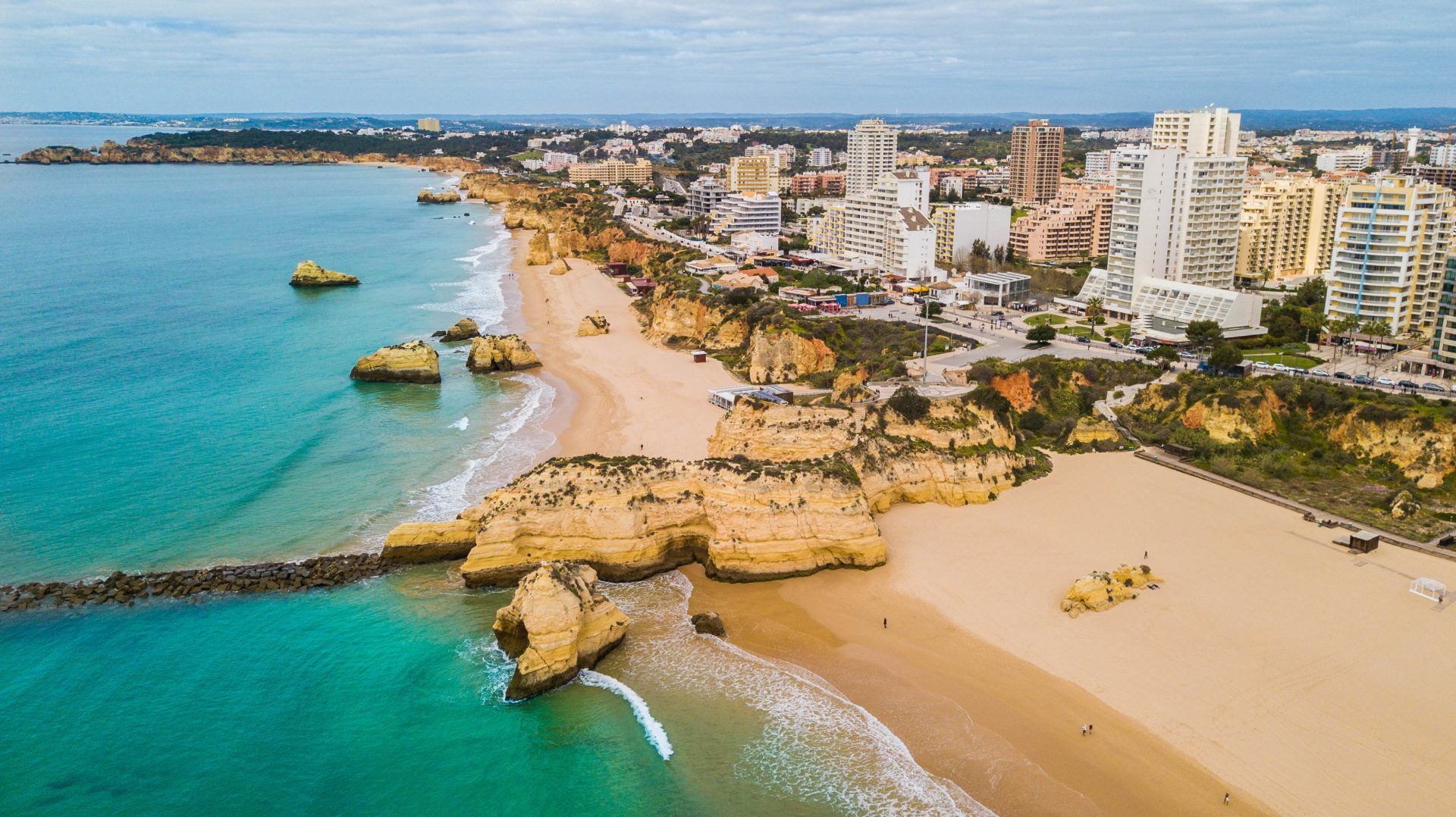
:max_bytes(150000):strip_icc()/GettyImages-148574283-594804765f9b58d58ab8b09a.jpg)