Seixal's Future: A New Vision for Growth & Real Estate
By Pieter Paul Castelein
Published: July 31, 2025
Category: Policy Analysis
**
# Seixal at a Tipping Point: Can a New Vision Unlock Its Riverside Potential?
Rapid growth has pushed Seixal to a critical juncture. As the municipality grapples with an overburdened infrastructure and a housing crisis, a new political vision emerges, challenging decades of policy and promising a future of strategic planning, economic dynamism, and urban regeneration. For investors and residents, the stakes have never been higher.
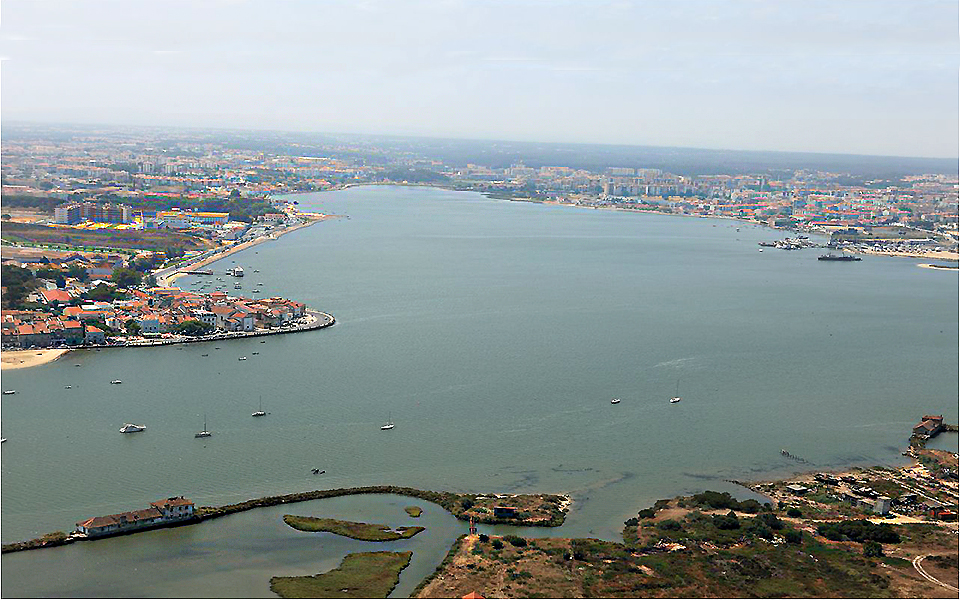
[Image: A panoramic view of the Seixal bay at sunset, with the historic town center on one side and undeveloped land on the other, symbolizing its potential.]
Seixal is a paradox. Blessed with a stunning riverside location and a fast-growing population, it simultaneously suffers from chronic infrastructure deficits and what critics call a profound lack of strategic vision. For years, the municipality has been governed by a philosophy that has led to what PSD candidate Bruno Vasconcelos terms “disordered growth,” a policy of “unrestrained construction without thinking about the consequences.”
The results are plain to see: schools are saturated, transport is insufficient, and the local health system is failing to meet demand. As the price per square meter hits an all-time high, the very families and young professionals drawn to Seixal are finding it increasingly difficult to live here. This policy analysis delves into the critique of the current model and explores the alternative blueprint being proposed—one that could fundamentally reshape Seixal's real estate market and its future identity.
## The Critique: A Municipality 'With Its Back to the River'
The core of the argument against the incumbent CDU administration is that Seixal has been managed as an “ideological enclave” rather than an integrated part of the dynamic Lisbon Metropolitan Area. According to Vasconcelos in a July 2025 interview, this has resulted in a governance model characterized by stagnation and a failure to tackle structural problems.
Key criticisms include a housing policy that is more reactive than proactive, a transportation network that cannot cope with the population boom, and a glaring failure to capitalize on its greatest natural asset: the waterfront. The northern bayfront, in particular, is described as an abandoned zone, a symbol of missed opportunity. This inward-looking approach, critics argue, has prevented Seixal from attracting high-value investment, leaving it as a “dormitory town” rather than a thriving economic hub. For anyone considering investment properties in Portugal [https://www.realestate-lisbon.com/buying-guide/investment-risks], understanding this political risk is crucial.
### A New Blueprint for Seixal: The Core Proposals
The alternative vision for Seixal is built on a foundation of transparency, economic development, and intelligent urbanism. It represents a radical departure from the status quo, with clear, actionable proposals aimed at transforming the municipality.
📈
#### Economic Dynamism
Creation of a Municipal Agency for Investment to attract new businesses, especially in the tech sector. The goal is to reduce bureaucracy, accelerate licensing, and actively promote Seixal internationally to end its reliance on residential construction revenue.
🏡
#### A 'Shock of Supply' in Housing
Tackle the housing crisis head-on with municipal programs for affordable housing, incentives for rehabilitating vacant properties, and a determined push to legalize and infrastruture the longstanding Áreas Urbanas de Génese Ilegal (AUGI).
🌊
#### Reclaiming the Waterfront
Prioritize the complete requalification of the northern bayfront, transforming it from an abandoned area into a vibrant space for leisure, tourism, and sport, fully integrated with the urban fabric and serving as a magnet for quality investment.
## Market Implications for Real Estate Investors
A potential shift in governance carries profound implications for the Seixal real estate market [https://www.realestate-lisbon.com/blog]. A more pro-business, efficient administration could dramatically de-risk development and investment in the area. The promise to lower municipal property taxes (IMI), income tax (IRS), and corporate tax (Derrama) would immediately improve ROI calculations for both individual and corporate investors.
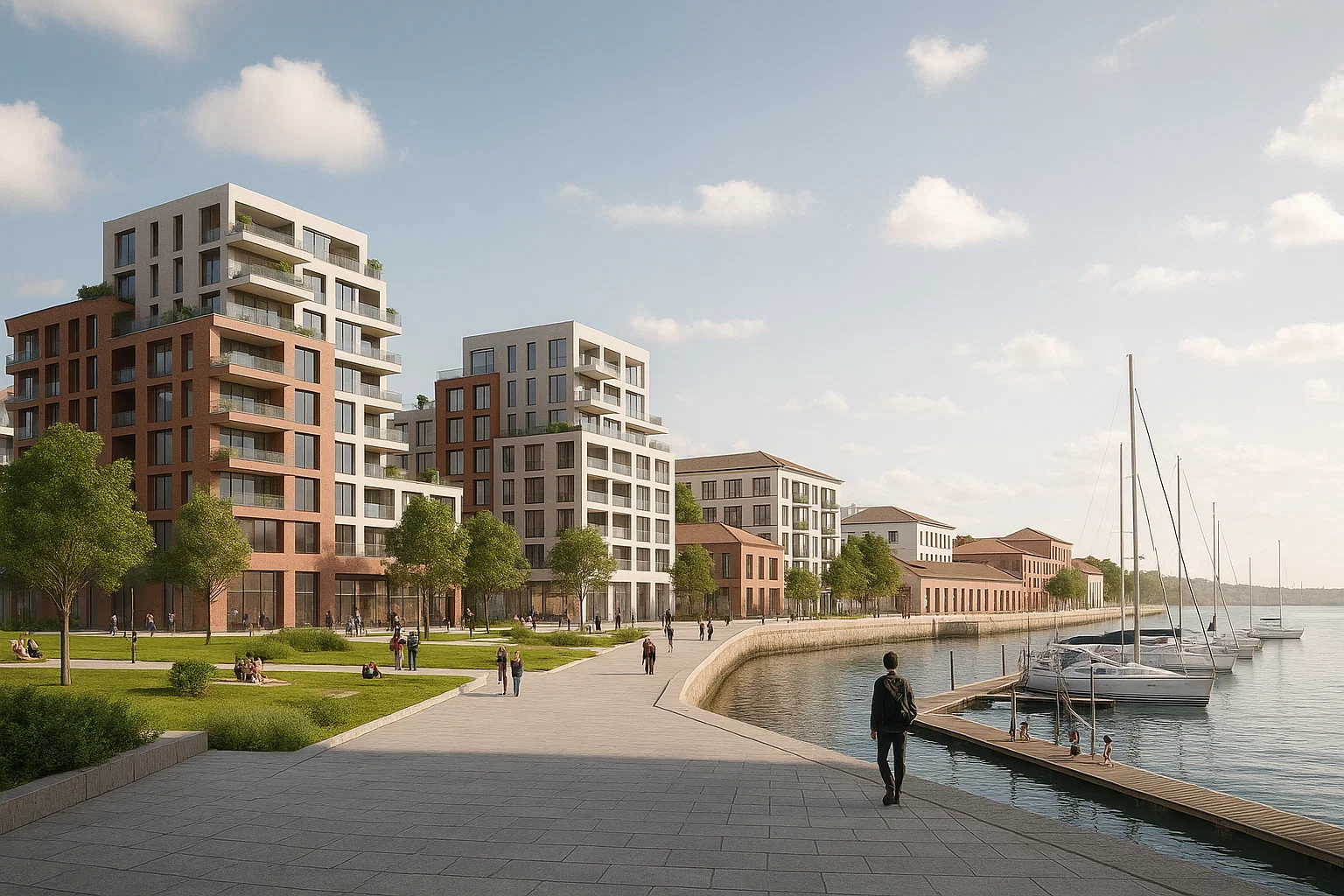
[Image: A modern architectural rendering of a revitalized Seixal waterfront, with mixed-use buildings, green spaces, and a marina.]
The most significant opportunity lies in the waterfront. Its regeneration could trigger a revaluation of all adjacent properties, similar to what has been seen in other revitalized riverside areas across Europe. Furthermore, a streamlined and transparent licensing process would be a game-changer for developers, potentially unlocking projects that have been stalled for years. This new approach would position Seixal not as a high-risk bet, but as a calculated opportunity for growth, particularly for those looking to partner with agents experienced with international clients [https://www.realestate-lisbon.com/professionals/real-estate-agents-international-clients].
## Frequently Asked Questions
What is the main challenge facing Seixal's development?
According to political challenger Bruno Vasconcelos (PSD), the primary challenge is 'disordered growth without a strategic plan.' This has led to immense pressure on infrastructure, schools, transport, and healthcare. The critique suggests the current administration has prioritized construction for fiscal revenue over sustainable, long-term quality of life for its residents. Addressing this is key to unlocking Seixal's potential. For more on this, see our market trends [https://www.realestate-lisbon.com/news/market-trends] analysis.
What is the proposed alternative vision for Seixal's urban planning?
The alternative vision focuses on intelligent urban planning, including the absolute priority of requalifying the neglected northern bayfront. It calls for an end to the 'dormitory town' model by creating a municipal agency to attract investment, especially in technology, and fostering a competitive business environment. This approach aims to create qualified jobs and make Seixal a hub of economic activity, not just a residential suburb. Explore our Amora neighborhood guide [https://www.realestate-lisbon.com/seixal/amora] for local insights.
How does the political situation in Seixal affect real estate investors?
The long-standing CDU governance is being challenged by a pro-business, transparency-focused platform. A potential political shift could lead to faster, more transparent licensing processes, lower municipal taxes (IMI, IRS, Derrama), and a more welcoming environment for private investment. Investors should watch the upcoming municipal elections closely, as the outcome could significantly alter the risk and reward profile of property investment [https://www.realestate-lisbon.com/buying-guide/investment-risks] in the area.
What solutions are proposed for Seixal's housing crisis?
The proposed strategy is a 'shock of supply.' This includes launching municipal affordable housing programs in partnership with private and social sectors, providing incentives for rehabilitating vacant buildings, and, crucially, accelerating the resolution of illegal housing areas (AUGI). The goal is to increase the availability of quality homes for both purchase and rent, targeting young people and middle-class families who are currently priced out of the market. Our first-time buyer agents [https://www.realestate-lisbon.com/professionals/real-estate-agents-first-time-buyers] can offer guidance.
Is the Seixal waterfront a good investment opportunity?
The Seixal waterfront, especially the northern bay, is identified as a massively undervalued and neglected asset. A new political direction would prioritize its transformation into a hub for leisure, tourism, and economic activity. According to INE data from 2024, waterfront regeneration projects can increase property values in adjacent areas by 15-30%. This makes the Seixal bay a prime target for investors with a medium to long-term horizon.
What does 'desburocratizar os licenciamentos' mean for developers?
'Debureaucratizing licensing' means streamlining the currently slow and opaque process for obtaining building and development permits from the municipality. The proposal involves digitalizing procedures and setting maximum response times. For developers and individual builders, this would reduce project delays, lower holding costs, and create a more predictable and efficient environment for bringing new housing and commercial projects to market. This is a key part of the buying process [https://www.realestate-lisbon.com/buying-guide].
How does Seixal plan to improve its relationship with the Lisbon Metropolitan Area?
The proposed strategy is to move away from an 'ideological enclave' and engage in constant, constructive dialogue with the central government and neighboring municipalities. The aim is to actively participate in metropolitan structures to solve shared problems in mobility, health, and housing, rather than using protests for political points. This collaborative approach could unlock significant state and EU funding for crucial projects.
What are the first steps a new administration in Seixal would take?
The first 100 days would involve launching an independent audit of the municipality's finances and contracts to ensure transparency. An emergency plan would be enacted to tackle mobility, security, and urban hygiene. Furthermore, a new administration would immediately move to lower municipal taxes to provide relief to families and businesses, signaling a clear break from past fiscal policies. For legal advice on these matters, consult our tax law experts [https://www.realestate-lisbon.com/professionals/real-estate-lawyers-tax-law].