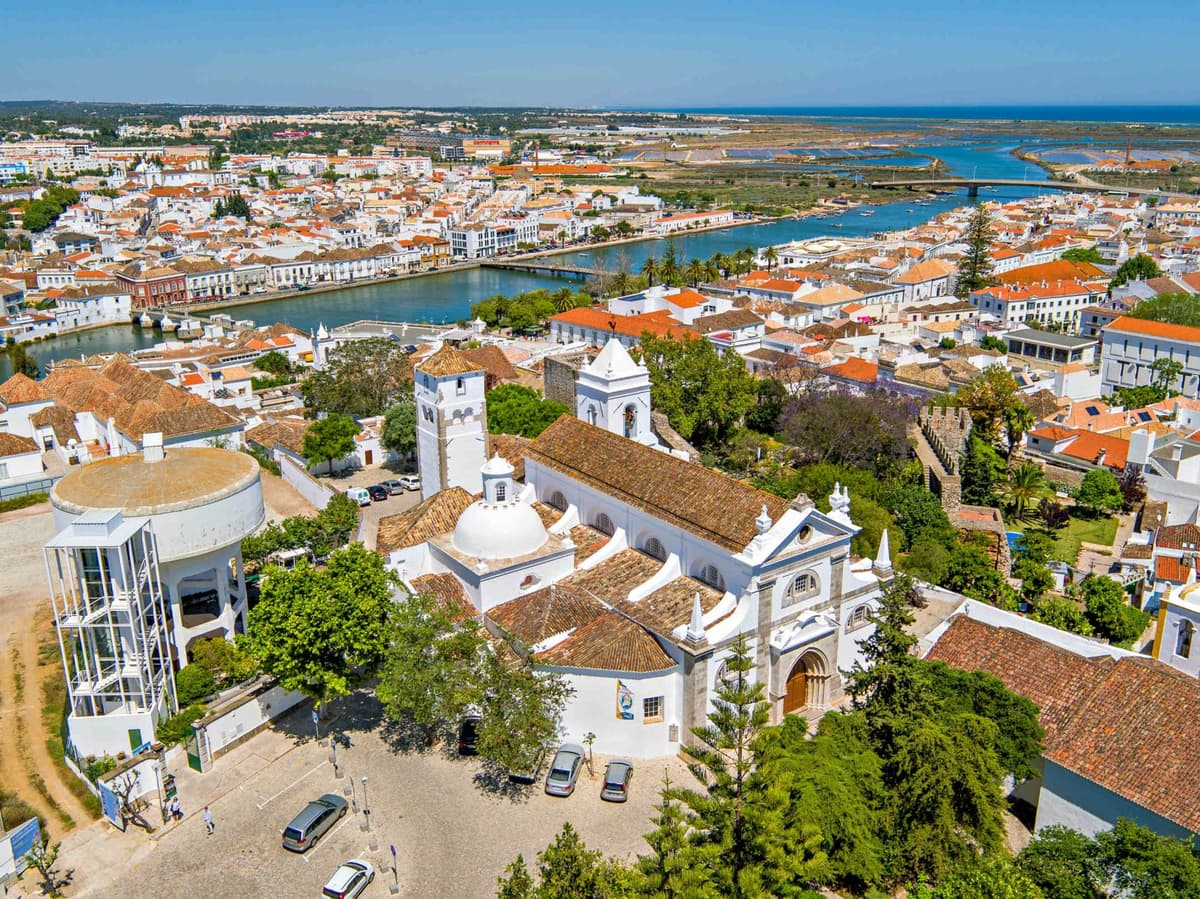
Portuguese Government to Buy Back Pousadas de Portugal Stake from Pestana Group, Reshaping Hotel Investment Landscape
By Mihail Talev
Published: November 14, 2025
Category: politics
### Portugal's Government Hotel Repurchase Signals Strategic Tourism Shift for Real Estate Investors
In a significant move reshaping Portugal's tourism infrastructure, the Portuguese government plans to reacquire the 49% stake in **Empresa Nacional de Turismo (Enatur)** currently held by **Grupo Pestana**, one of Portugal's largest hotel operators. This strategic repurchase, facilitated through **Turismo de Portugal**—the national tourism authority overseeing destination marketing and infrastructure development—would return full state ownership of the Pousadas de Portugal network by late 2025, coinciding with the concession's expiration on December 31, 2026.
The proposed buyback targets a stake originally divested in 2003 for €28 million after years of accumulated losses, positioning the government to completely control a network of 34 historic luxury properties spread across Portugal's most culturally significant locations. This development arrives as **Lisbon** and **Porto** recorded unprecedented tourism density levels in 2024, with Albufeira and Porto Santo experiencing slight moderation in their previously peak intensity metrics.
### Key Takeaways
• ✓ Portuguese government to repurchase 49% Enatur stake from Pestana Group by end-2025
• ✓ Pousadas de Portugal concession expires December 2026 with public tender planned
• ✓ Original 2003 divestment cost €28 million following decade of operational losses
• ✓ Lisbon and Porto lead 2024 tourism density indicators at record levels
The strategic importance of this transaction extends beyond hospitality operations into the broader real estate investment landscape. **Pousadas de Portugal** operates a collection of 34 properties positioned in converted monasteries, convents, castles, and palaces across Portugal's most desirable destinations—from the Alfama district in central Lisbon to the Douro Valley wine region. These properties, typically featuring 20-50 rooms each, represent unique hospitality real estate assets that combine cultural heritage with luxury accommodation.
The government's move toward full ownership signals potential restructuring of tourism infrastructure management, particularly significant for foreign investors monitoring Portugal's hospitality sector. For comprehensive analysis of tourism-adjacent real estate opportunities, see our Lisbon neighborhoods guide [https://www.realestate-lisbon.com/lisbon-real-estate-neighborhoods].
## Market Implications for Investors
This repurchase initiative demonstrates the Portuguese government's commitment to maintaining strategic control over premium tourism assets, creating both opportunities and considerations for hospitality real estate investors. The state's re-engagement with direct tourism infrastructure ownership suggests potential shifts in concession terms, operational frameworks, and public-private partnership structures that could influence future hospitality investments.
For investors evaluating Portugal's tourism real estate sector, this development provides insights into government priorities regarding heritage property utilization and luxury tourism positioning. The Pousadas network's unique portfolio—comprising properties in locations like **Óbidos** (the medieval walled city 85 kilometers north of Lisbon), **Évora** (UNESCO World Heritage site 130 kilometers southeast), and **Braga** (Portugal's religious capital 55 kilometers northeast of Porto)—represents irreplaceable hospitality real estate that benefits from both cultural significance and premium positioning.
The timing coincides with tourism intensity reaching new peaks in Portugal's primary markets, according to recent market data [https://www.realestate-lisbon.com/market-insights]. This sustained demand reinforces the strategic value of hospitality assets in well-located, culturally significant properties—a factor particularly relevant for investors considering alternative hospitality concepts or heritage property conversions.
## Grupo Pestana's Market Position
**Grupo Pestana**, founded in 1965 and now operating 100+ properties across Portugal, Brazil, and Africa, has evolved from its original Pousadas partnership into one of Portugal's dominant hospitality players. The company's expansion beyond the historic properties concession demonstrates successful hospitality investment strategy, with a portfolio spanning luxury resorts, city hotels, and golf properties.
The divestment of its Enatur stake, while significant, represents strategic repositioning rather than market exit. Pestana's continued expansion—including recent developments in the Algarve and Madeira—indicates confidence in Portugal's tourism fundamentals and suggests the company may redirect capital toward properties with greater development flexibility or higher return potential.
## Tourism Infrastructure Investment Context
Portugal's tourism sector has demonstrated remarkable resilience and growth, with international arrivals consistently exceeding pre-pandemic levels. The government's move to reclaim full Pousadas ownership occurs within a broader context of infrastructure investment and strategic asset management that directly impacts real estate investment opportunities.
Several factors continue driving tourism real estate dynamics:
• **Heritage Property Premium**: Converted historic buildings command 20-40% higher rates than comparable modern properties in premium locations
• **Regional Dispersion Strategy**: Government policy encourages tourism development beyond Lisbon and Porto, creating opportunities in secondary markets
• **Concession Restructuring**: Public tender requirements may introduce new operational models or partnership structures for investors
• **Cultural Tourism Growth**: Increasing demand for authentic experiences drives occupancy at culturally significant properties
These dynamics create a complex but potentially rewarding environment for hospitality real estate investment, particularly for investors who understand the intersection of cultural heritage, tourism policy, and operational requirements.
## Investment Considerations
Foreign investors monitoring Portugal's hospitality sector should view this government repurchase as a signal of strategic tourism asset value rather than market restriction. The state's willingness to invest approximately €50-70 million (estimated current valuation) to regain full control demonstrates confidence in long-term tourism fundamentals and the irreplaceable nature of heritage hospitality properties.
For investors considering hospitality real estate opportunities, this development suggests focusing on properties with similar characteristics—unique locations, cultural significance, or operational flexibility that could benefit from future concession opportunities. Consulting with English-speaking real estate lawyers [https://www.realestate-lisbon.com/english-speaking-lawyers] experienced in hospitality transactions becomes particularly important given the regulatory complexity surrounding tourism concessions and heritage property operations.
Additionally, the concentration of tourism intensity in Lisbon and Porto, while creating operational challenges, reinforces demand for alternative accommodation formats and locations—a factor relevant for investors considering development opportunities in emerging tourism areas or adaptive reuse projects.
## Looking Ahead
The Pousadas de Portugal repurchase represents more than a simple asset transaction—it signals Portugal's strategic approach to balancing public asset management with private investment opportunities in tourism real estate. As the government prepares for the 2026 concession tender, investors should monitor developments for potential partnership opportunities or similar assets that may benefit from changing operational frameworks.
Portugal's sustained tourism growth, combined with strategic government involvement in premium hospitality assets, creates a supportive environment for well-positioned hospitality real estate investments. For expert guidance on navigating hospitality property opportunities and concession structures, contact realestate-lisbon.com [https://www.realestate-lisbon.com/].