Bank of Portugal Holds 4% Systemic Risk Buffer on Residential Mortgages: What It Means for Investors
By Mihail Talev
Published: November 17, 2025
Category: politics
### Bank of Portugal Maintains 4% Systemic Risk Buffer on Residential Mortgages: Strategic Implications for Real Estate Investors
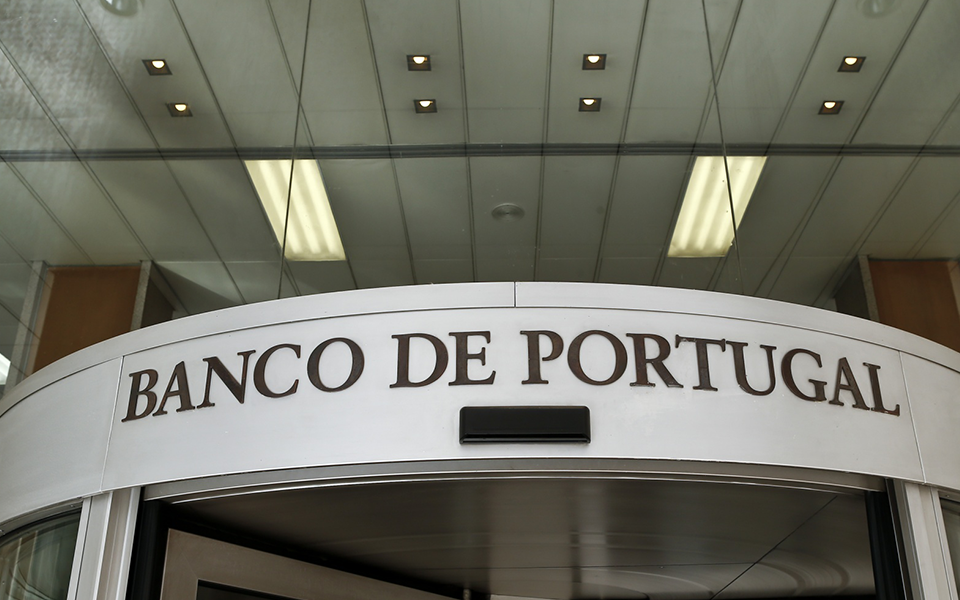
In a decisive move that reinforces Portugal's cautious approach to housing market stability, **Banco de Portugal**—the country's central bank and national macroprudential authority—has announced it will maintain its 4% systemic risk buffer on residential mortgage exposures. This decision, announced following consultation with the **European Central Bank** and national financial supervisors, demonstrates the regulator's commitment to preventing overheating in Portugal's residential real estate market.
The buffer, which applies specifically to banks using the Internal Ratings Based (IRB) approach for risk assessment, represents a strategic safeguard against potential systemic risks in Portugal's housing sector. For foreign investors monitoring Lisbon's property market dynamics [https://www.realestate-lisbon.com/market-insights], this policy stance provides crucial insights into the regulatory environment shaping mortgage availability and lending conditions.
The timing of this announcement coincides with ongoing discussions about housing affordability and market sustainability in major Portuguese cities, particularly Lisbon and Porto, where international investment has played a significant role in market development.
### Key Takeaways
• ✓ Banco de Portugal maintains 4% systemic risk buffer on IRB banks' residential mortgage portfolios
• ✓ Policy targets banks with lower risk weights, addressing potential underpricing of mortgage risk
• ✓ Buffer can be released during systemic stress to maintain credit flow to the economy
• ✓ Decision signals regulatory vigilance toward housing market stability and foreign investor confidence
The systemic risk buffer applies to residential properties located throughout Portugal, with particular relevance for high-demand areas including **Lisbon's metropolitan region**, stretching from Cascais in the west to Setúbal in the south, encompassing prime neighborhoods like **Chiado**, **Príncipe Real**, and **Parque das Nações**. These areas, served by extensive Metro networks and proximity to Humberto Delgado Airport, have attracted significant foreign investment in recent years.
The **IRB methodology**—a sophisticated risk assessment approach used by major Portuguese banks—allows institutions to use their own internal models to determine capital requirements for mortgage exposures. This system, while promoting efficiency, can result in lower capital charges compared to standardized approaches, potentially creating systemic vulnerabilities if housing markets face correction.
For investors considering residential property investments in Lisbon's prime areas [https://www.realestate-lisbon.com/lisbon-real-estate-neighborhoods], understanding these regulatory dynamics is essential for anticipating future lending conditions and market liquidity.
## Market Implications for Investors
The maintenance of the 4% buffer carries significant implications for Portugal's residential real estate ecosystem. By requiring IRB banks to hold additional capital against mortgage exposures, Banco de Portugal effectively increases the cost of mortgage lending, which could influence both credit availability and pricing for property purchases.
This **macroprudential measure**—regulatory tools designed to mitigate systemic financial risks—demonstrates authorities' proactive stance in preventing housing market bubbles. For foreign investors, this regulatory vigilance provides confidence in market stability but may signal constraints on rapid price appreciation in overheated segments.
The policy particularly affects **instituições de crédito**—Portuguese banking institutions including **Caixa Geral de Depósitos**, **Millennium BCP**, and international subsidiaries operating under IRB frameworks. These banks must now maintain higher capital ratios, potentially limiting their mortgage lending capacity during periods of rapid credit growth.
According to recent market analysis [https://www.realestate-lisbon.com/market-insights], the buffer's maintenance suggests regulators view current housing market conditions as requiring continued prudential oversight, particularly given Portugal's attractiveness to international property investors seeking European Union exposure.
## Banco de Portugal's Regulatory Framework
**Banco de Portugal** serves as Portugal's central bank and primary financial regulator, wielding significant influence over the country's banking and real estate sectors. The institution's macroprudential mandate includes monitoring systemic risks and implementing countercyclical measures to ensure financial stability.
The central bank's decision-making process involves comprehensive consultation with European banking authorities and domestic stakeholders, reflecting the sophisticated regulatory environment foreign investors must navigate. This collaborative approach ensures policy alignment with broader European Union financial stability objectives while addressing Portugal-specific market conditions.
## Portuguese Residential Mortgage Market Context
Portugal's residential mortgage market has experienced significant transformation since the global financial crisis, with regulatory reforms enhancing both transparency and stability. The current environment reflects balanced growth, supported by foreign investment and domestic demand recovery.
Several factors continue to influence mortgage market dynamics:
• **Foreign Investment Patterns**: Continued international buyer interest in Lisbon, Porto, and Algarve maintains upward pressure on prime property values
• **Interest Rate Environment**: European Central Bank policy rates directly impact mortgage affordability and lending volumes
• **Golden Visa Evolution**: Changes to Portugal's investor residence programs affect high-value property demand patterns
• **Rental Market Regulation**: Local accommodation laws and rental caps influence investment property calculations
These interconnected factors create a complex environment where regulatory measures like the systemic risk buffer play crucial stabilizing roles, particularly in managing credit cycles and preventing excessive leverage accumulation.
The **IMT** (Property Transfer Tax) and **stamp duty** considerations, combined with mortgage availability constraints, require careful analysis for optimal investment structuring. Foreign investors should consult with English-speaking tax advisors [https://www.realestate-lisbon.com/english-speaking-accountants] familiar with Portugal's property taxation system.
## Strategic Investment Considerations
The maintenance of the systemic risk buffer suggests several strategic considerations for residential property investors. First, regulatory authorities remain vigilant about housing market stability, which could limit speculative price bubbles but also constrain rapid appreciation potential in overheated segments.
Second, the policy's design—targeting IRB banks specifically—acknowledges the competitive advantages these institutions hold through sophisticated risk modeling. This regulatory attention indicates authorities' awareness of potential market distortions from differential capital requirements across banking segments.
Foreign investors should consider the **buffer's countercyclical nature**—its potential release during market stress to support credit availability—as providing downside protection for property values during economic downturns. This mechanism effectively creates a regulatory put option supporting market liquidity when most needed.
When structuring property acquisitions, investors must evaluate financing strategies considering potential future regulatory changes. Engaging experienced real estate lawyers [https://www.realestate-lisbon.com/english-speaking-lawyers] familiar with Portuguese mortgage regulations ensures optimal transaction structuring and risk mitigation.
## Looking Ahead
Banco de Portugal's decision to maintain the 4% systemic risk buffer reflects balanced regulatory approach—acknowledging current market stability while preparing for potential future challenges. This measured stance supports sustainable market development while protecting financial system resilience.
For international investors, Portugal's transparent regulatory framework and proactive supervision provide confidence in market integrity. The systemic risk buffer represents just one component of a comprehensive regulatory toolkit ensuring housing market stability, supporting long-term investment attractiveness. For expert guidance on navigating Portugal's residential property market and regulatory environment, contact realestate-lisbon.com [https://www.realestate-lisbon.com/].