Historic Lisbon Building on Avenida da República Proposed for Monument Status, Impacting Future Development
By Kellogg Fairbank
Published: November 26, 2025
Category: neighborhood-news
### Lisbon's Avenida da República Heritage Building Poised for Monument Status, Reshaping Neighborhood Development Prospects
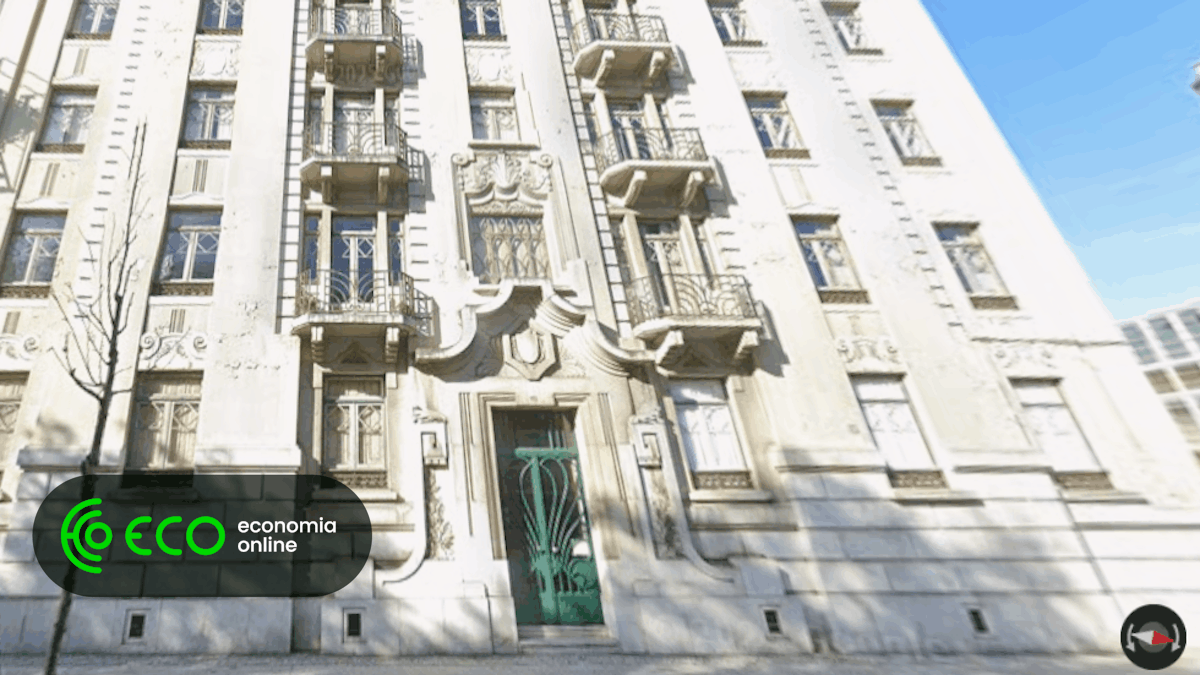
In a significant development for **Lisbon's heritage property sector**, the Instituto do Património Cultural has formally proposed classifying the 1933 building at numbers 71-73 **Avenida da República** as a Monument of Public Interest (MIP). This designation, now pending final approval from the Secretary of State for Culture, would impose strict development controls within a 50-meter protection zone around the property, fundamentally altering investment dynamics in this prime **Avenidas Novas** location.
The proposed classification follows a previous attempt in 2022 and reflects the architectural significance of Manuel Joaquim Norte Júnior's work throughout Lisbon. Foreign investors eyeing development opportunities in this central Lisbon corridor must now factor potential heritage restrictions into their acquisition strategies, as any construction, renovation, or demolition within the protection zone requires approval from heritage authorities.
### Key Takeaways
• ✓ Historic 1933 building at Avenida da República 71-73 proposed for Monument of Public Interest status
• ✓ 50-meter protection zone would require heritage approval for all construction and renovation works
• ✓ Manuel Joaquim Norte Júnior-designed property represents significant architectural heritage value
• ✓ 30-day public consultation period allows stakeholder input before final classification decision
**Avenida da República** stretches through the heart of Lisbon's **Avenidas Novas** district, positioned 2 kilometers north of Marquês de Pombal and served by the yellow metro line at Entre Campos and Campo Pequeno stations. This strategic location combines excellent connectivity with the prestige of one of Lisbon's most established residential and commercial corridors, making it perennially attractive to foreign investors seeking stable real estate opportunities.
The avenue's evolution from its original name **Reno Garcia** to Avenida da República mirrors Lisbon's transformation into a modern European capital. For detailed insights into this neighborhood's development patterns and investment potential, consult our comprehensive Lisbon neighborhoods guide [https://www.realestate-lisbon.com/lisbon-real-estate-neighborhoods].
## Market Implications for Investors
The proposed monument designation carries profound implications for **real estate development strategies** within the affected zone. Properties within 50 meters of the classified building face enhanced scrutiny for any construction activities, potentially increasing project timelines and compliance costs for developers.
This **regulatory overlay** typically creates two distinct market segments: heritage-protected properties that command premium prices due to their irreplaceable character, and adjacent properties whose development potential becomes constrained. According to Lisbon market data [https://www.realestate-lisbon.com/market-insights], heritage-designated areas often experience price appreciation as supply becomes effectively capped.
Foreign investors should understand that **Monument of Public Interest** status protects not just the building's facade but also its structural integrity and surrounding urban context. Any property acquisition within the protection radius requires thorough due diligence regarding permitted uses and renovation possibilities.
## Manuel Joaquim Norte Júnior's Architectural Legacy
**Manuel Joaquim Norte Júnior** (1888-1962) stands among Portugal's most celebrated 20th-century architects, having trained in both Lisbon and Paris before creating iconic buildings across the capital. His portfolio includes the **Pastelaria Versailles** in Avenidas Novas, **Café A Brasileira** and **Café Nicola** in Baixa, plus the **Casino de Sintra** and numerous landmark buildings in Cascais and Faro.
The architect's seven **Valmor Architecture Prizes**, including his first for Casa Malhoa in 1905, establish him as a leading figure in Portuguese architectural history. Buildings bearing his signature represent significant cultural heritage value, making them natural candidates for protected status as Portugal strengthens its heritage preservation framework.
## Heritage Protection Market Dynamics
Lisbon's heritage protection framework operates through a tiered system where buildings of exceptional architectural or historical significance receive Monument of Public Interest designation. This mechanism serves dual purposes: preserving Portugal's cultural patrimony while creating clear development guidelines for property owners.
The classification process involves multiple stakeholders and typically influences market behavior well before final approval. Several factors drive heritage designation decisions:
• **Architectural Significance**: Buildings designed by renowned architects or representing important stylistic movements receive priority consideration
• **Historical Context**: Properties connected to significant events or cultural developments gain enhanced protection status
• **Urban Integration**: Buildings that define neighborhood character or streetscape continuity often qualify for heritage recognition
• **Rarity Factor**: Structures representing rare examples of architectural styles or construction techniques face higher protection probability
These designations create **dual-speed markets** where protected properties trade at premiums while adjacent development sites face value adjustments based on new constraints.
## Investment Considerations
Investors evaluating opportunities near heritage-designated properties must incorporate **regulatory risk assessments** into their acquisition strategies. The 50-meter protection zone extends beyond immediate neighbors, potentially affecting multiple properties along Avenida da República.
Foreign buyers should engage English-speaking real estate lawyers [https://www.realestate-lisbon.com/english-speaking-lawyers] familiar with Portugal's heritage legislation to understand specific restrictions and approval processes. Additionally, consulting international property specialists [https://www.realestate-lisbon.com/english-speaking-agents] who understand heritage market dynamics proves essential for informed decision-making.
The consultation period provides an opportunity for stakeholders to understand implications and potentially influence final designation parameters. However, investors should assume the classification will proceed and plan accordingly.
## Looking Ahead
The Avenida da República monument proposal reflects Lisbon's broader commitment to balancing heritage preservation with urban development needs. As the city attracts increasing foreign investment, heritage protection mechanisms help maintain architectural character while providing clear development frameworks.
This designation will likely influence investor perceptions of Avenidas Novas as a stable, heritage-protected district where architectural quality receives official recognition. For guidance on navigating heritage property investments in Lisbon, contact realestate-lisbon.com [https://www.realestate-lisbon.com/].