Cascais Secures €30M Deal for Major Urban Park and Housing Project, Ending Speculation
By Mihail Talev
Published: November 12, 2025
Category: neighborhood-news
### Cascais €30M Land Acquisition Creates Portugal's Largest Municipal Park, Halting Luxury Development Speculation
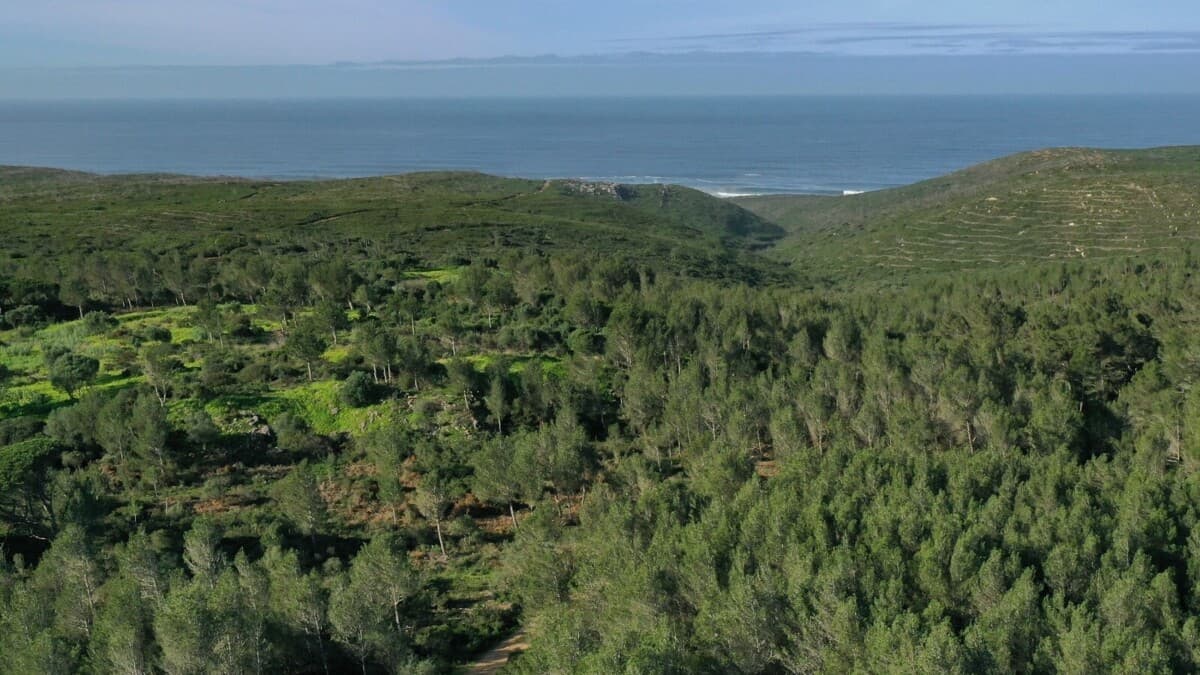
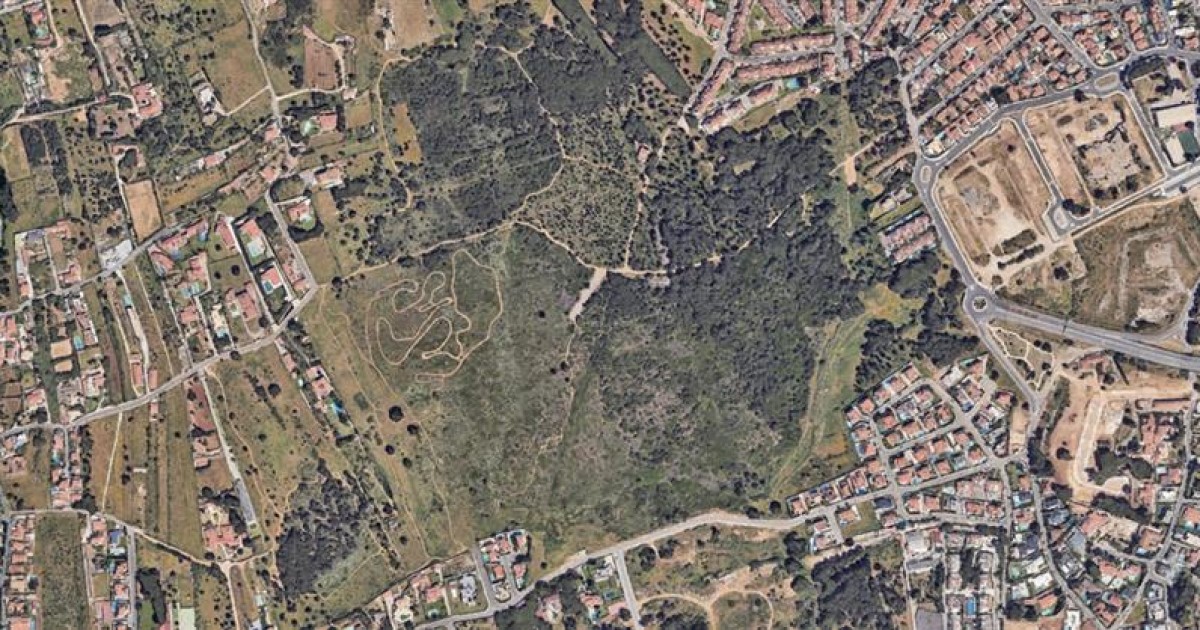
**Cascais Municipal Council**, the local government authority for Portugal's affluent coastal municipality, has exercised preemptive rights to purchase 434,607 square meters of strategically located land for €30.2 million, permanently blocking high-end residential development speculation in the area. The acquisition, announced November 11th, will transform the **Aldeia de Juso-Birre-Areia** corridor—situated between the A5 motorway terminus and the villages of Areia and Birre—into Portugal's largest municipal urban park while enabling affordable housing construction.
This landmark transaction demonstrates how Portuguese municipalities are actively shaping urban development patterns, creating significant implications for **foreign real estate investors** evaluating opportunities in premium markets. The move permanently removes approximately 45 hectares from private development potential while establishing Cascais as a leader in sustainable urban planning initiatives.
### Key Takeaways
• ✓ Cascais Municipality acquires 434,607m² for €30.2M through preemptive rights exercise
• ✓ Transaction blocks luxury residential speculation near Sintra-Cascais Natural Park
• ✓ New urban park will be 5x larger than existing Parque Marechal Carmona
• ✓ Municipal affordable housing construction planned for southern portion of acquired land
The acquired land sits in **Cascais**'s northern corridor, approximately 25 kilometers west of central Lisbon and 5 kilometers northeast of Cascais's historic center, positioned between the A5 motorway's western terminus and the protected **Sintra-Cascais Natural Park**. This location has experienced intense development pressure due to its proximity to both the protected natural area and established luxury residential zones like Birre and Areia. The area's combination of environmental sensitivity and development potential has made it a focal point for speculative investment activity over the past decade.
For foreign investors unfamiliar with Cascais's premium market dynamics [https://www.realestate-lisbon.com/lisbon-real-estate-neighborhoods], this intervention represents a significant shift in municipal development policy. The municipality's willingness to leverage debt financing for land banking demonstrates unprecedented commitment to controlling urban growth patterns in environmentally sensitive areas.
## Market Implications for Investors
This transaction signals fundamental changes in Portuguese municipal approaches to **land use planning** and development control. By exercising preemptive purchase rights, Cascais has established a precedent that could influence similar interventions across Portugal's high-value coastal markets, particularly in areas adjacent to protected environmental zones.
The €30.2 million investment—equivalent to approximately €69 per square meter—represents below-market acquisition pricing for developable land in Cascais, where residential plots typically command €150-300 per square meter. This pricing differential underscores the municipality's strategic positioning to capture development value while maintaining public control over critical growth corridors.
For investors evaluating Portuguese real estate opportunities [https://www.realestate-lisbon.com/market-insights], this development highlights increasing municipal activism in shaping urban outcomes. The transaction removes significant development capacity from private markets while establishing new benchmarks for public-private land value negotiations in premium locations.
## Cascais Municipal Strategy Context
**Cascais Municipal Council**, governed by the center-right PSD party under President Nuno Piteira Lopes, has pursued an aggressive sustainability agenda that balances environmental protection with controlled urban growth. The municipality's decision to finance this acquisition through municipal debt rather than private partnerships demonstrates unusual fiscal commitment to public interest development.
This acquisition builds upon Cascais's existing reputation for innovative urban planning, including the successful regeneration of coastal areas and implementation of extensive cycling infrastructure. The municipality's approach contrasts sharply with nearby **Lisbon** and **Oeiras**, where private development interests have maintained greater influence over land use decisions.
## Portuguese Municipal Land Banking Trends
Cascais's intervention reflects broader tensions in Portuguese municipal finance and development policy. While national law provides preemptive purchase rights to municipalities, few have exercised these powers so extensively in premium markets, particularly when facing well-funded private development interests.
Several factors are driving increased municipal activism in land markets:
• **Environmental Protection Mandates**: National and EU sustainability targets requiring municipalities to preserve green spaces and reduce urban sprawl
• **Housing Affordability Crisis**: Growing pressure on municipalities to provide affordable housing alternatives in high-cost markets
• **Tourism Management Challenges**: Need to balance economic benefits of luxury development with quality-of-life considerations for residents
• **Public Finance Evolution**: New municipal borrowing capabilities enabling large-scale land acquisitions for public benefit
These factors combine to create a more interventionist approach to land use planning, particularly in markets experiencing rapid price appreciation and speculative development pressure.
## Investment Considerations
Foreign investors must now factor increased municipal intervention risk into their Portuguese real estate strategies. The Cascais precedent suggests that locations adjacent to protected areas or serving critical infrastructure functions face heightened probability of public sector land acquisition, potentially at below-market compensation levels.
Investors should consult with English-speaking real estate lawyers [https://www.realestate-lisbon.com/english-speaking-lawyers] experienced in Portuguese municipal law to understand preemptive rights, eminent domain procedures, and compensation frameworks before committing to large-scale development projects. Due diligence processes must now include comprehensive analysis of municipal planning intentions and political risk factors.
The transaction also creates opportunities for investors aligned with municipal sustainability objectives. Properties supporting affordable housing, green infrastructure, or public amenity provision may benefit from preferential treatment in planning processes and potential public-private partnership opportunities.
## Looking Ahead
Cascais's bold intervention establishes new parameters for Portuguese municipal engagement in land markets, potentially influencing similar actions across high-value coastal areas. The success of this initiative will depend on the municipality's ability to deliver promised public benefits while managing the financial burden of debt-financed land banking.
For stakeholders in Portuguese real estate markets, this development underscores the importance of understanding local political dynamics and municipal planning philosophies. As municipalities gain greater fiscal capacity and political mandate for intervention, traditional private development models face increasing uncertainty. For expert guidance on navigating Portugal's evolving real estate regulatory environment, contact realestate-lisbon.com [https://www.realestate-lisbon.com/].