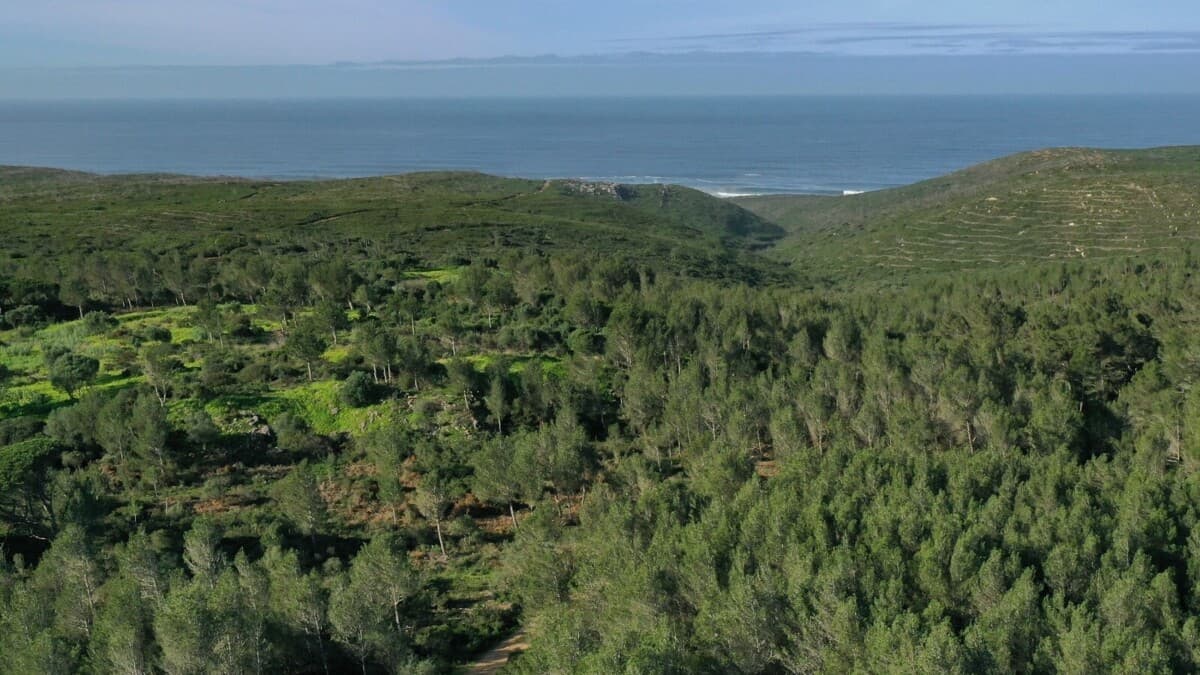
Cascais Development Under Fire: Environmental Protests Target Major Real Estate Project in Carcavelos
By Pieter Paul Castelein
Published: November 10, 2025
Category: neighborhood-news
### Cascais Development Controversy: Environmental Opposition Challenges Major Carcavelos Real Estate Project
A major urban development project in **Carcavelos**, a coastal area within **Cascais municipality** approximately 15 kilometers west of central Lisbon, faces significant environmental opposition as multiple activist organizations prepare weekend protests against what they characterize as excessive urbanization. The controversy centers on the **Plano de Pormenor do Espaço de Reestruturação Urbanística de Carcavelos-Sul (PPERUCS)**—a detailed urban restructuring plan covering 54 hectares that includes the historic Quinta dos Ingleses estate and the internationally recognized St. Julian's School.
Environmental association **Quercus**, one of Portugal's most prominent conservation organizations founded in 1985 with national influence on environmental policy, leads opposition demanding immediate suspension of construction activities. The group characterizes the development as causing "irreversible destruction" of green spaces in an area already experiencing development pressure from Cascais's position as one of Greater Lisbon's most desirable residential markets for both Portuguese families and international buyers.
The project, promoted by **Alves Ribeiro**, a Portuguese development company with residential and mixed-use projects across the Lisbon metropolitan area, proposes residential units alongside commercial, hospitality, and service components. This development controversy illustrates broader tensions between urban growth and environmental preservation that foreign investors must navigate when evaluating Portuguese coastal real estate opportunities.
### Key Takeaways
• ✓ Environmental groups organize protests against 54-hectare Carcavelos development project affecting historic Quinta dos Ingleses estate
• ✓ PPERUCS urban plan proposes mixed-use development with residential, commercial, and hospitality components plus 12 hectares preserved green space
• ✓ Cascais municipality defends project as creating largest urban park in Carcavelos parish with completion targeted for June
• ✓ Controversy reflects growing environmental scrutiny of coastal developments that may affect project timelines and regulatory approvals for investors
**Carcavelos** occupies a strategic coastal position within Cascais municipality, situated along the Cascais railway line that connects to Lisbon's Cais do Sodré station in approximately 25 minutes. The area features one of the region's most popular beaches, Praia de Carcavelos, stretching nearly one kilometer and attracting both residents and tourists. The neighborhood combines residential zones with commercial activity centered around the Carcavelos shopping center and benefits from proximity to international schools including St. Julian's School, making it particularly attractive to expatriate families and foreign investors seeking lifestyle properties near Lisbon.
The Quinta dos Ingleses estate at the controversy's center represents historically significant green space in an area experiencing sustained development pressure. Cascais municipality has transformed over recent decades from a traditional fishing town and royal summer residence into one of Greater Lisbon's premium residential markets, with property values reflecting demand from both Portuguese buyers and international investors drawn to coastal lifestyle combined with reasonable commuting access to Lisbon's business districts. For comprehensive analysis of Cascais real estate dynamics, see our Cascais off-plan developments guide [https://www.realestate-lisbon.com/off-plan/cascais].
The area's combination of beach access, international school presence, and established infrastructure creates investment appeal, but environmental controversies introduce regulatory uncertainty that investors must factor into due diligence processes when evaluating coastal development opportunities.
## Market Implications for Investors
This development controversy carries significant implications for foreign investors evaluating Portuguese coastal real estate opportunities. Environmental opposition to large-scale projects increasingly influences project timelines, regulatory approvals, and ultimately investment returns in areas where development pressure meets conservation concerns. Investors must recognize that Portuguese environmental groups have successfully delayed or modified development projects through legal challenges and public pressure campaigns, introducing timeline uncertainty into development investments.
The PPERUCS controversy specifically highlights risks associated with projects involving historically significant properties or substantial green space conversion. While Cascais municipality defends the project's environmental credentials—citing 12 hectares of preserved and requalified green space including what officials characterize as Carcavelos parish's largest urban park—environmental groups dispute whether this mitigation adequately compensates for development impacts. This disagreement reflects broader Portuguese debates about balancing urban growth with environmental preservation that affect regulatory environments across coastal municipalities.
For investors considering **off-plan purchases** in similar developments, this situation underscores the importance of verifying that projects have secured all necessary environmental approvals and assessing the likelihood of legal challenges that could delay completion dates. According to recent market analysis [https://www.realestate-lisbon.com/market-insights], environmental considerations increasingly influence Portuguese real estate regulatory frameworks, with stricter scrutiny applied to coastal and green space developments than previously typical.
The controversy also signals potential shifts in municipal development policies as environmental concerns gain political traction. Cascais represents a bellwether market where development pressures are most acute, and regulatory responses here may preview policy changes in other desirable coastal municipalities. Investors should monitor how this specific controversy resolves as an indicator of future regulatory environments for similar projects.
## Development Project Details and Municipal Position
The **PPERUCS plan**—formally the Detailed Plan for the Urban Restructuring Space of Carcavelos-Sul—encompasses 54 hectares including the St. Julian's School campus and the adjacent Quinta dos Ingleses historic estate. The plan proposes mixed-use development incorporating residential units, commercial space, hospitality facilities, and service components alongside environmental mitigation measures including an eight-hectare urban park and preservation of the Quinta dos Ingleses historic buildings. This mixed-use approach reflects contemporary Portuguese urban planning that attempts to balance development density with green space preservation and heritage protection.
**Nuno Piteira Lopes**, Cascais municipality's vice-president responsible for urban planning, emphasizes that the project will create 12 hectares of preserved and requalified green space representing the largest urban park in Carcavelos parish, with completion targeted for June. Municipal officials frame the development as responsible urban growth that addresses housing demand while enhancing public green space access beyond what currently exists in the largely private Quinta dos Ingleses estate. This official position reflects municipal perspectives that view controlled development as preferable to unplanned growth and that emphasize public benefit components as justification for private development approvals.
## Cascais Real Estate Market Context
The Carcavelos controversy unfolds within Cascais's broader real estate market characterized by sustained demand from both domestic and international buyers. Cascais municipality consistently ranks among Portugal's highest-value residential markets, with coastal properties commanding premium pricing reflecting lifestyle appeal, international school access, and reasonable commuting connections to Lisbon's employment centers.
Several factors continue shaping Cascais real estate dynamics that investors must understand when evaluating opportunities in this market:
• **International Buyer Demand**: Cascais attracts significant foreign investment from European buyers, particularly French, British, and German nationals seeking coastal lifestyle properties, plus growing interest from remote workers valuing quality of life combined with proximity to Lisbon's international airport
• **Limited Development Capacity**: Geographic constraints between coastline and Sintra-Cascais Natural Park limit available development land, creating supply constraints that support property values but intensify conflicts over remaining developable sites
• **Environmental Scrutiny**: Coastal position and natural park proximity subject developments to stricter environmental review than inland locations, with activist organizations closely monitoring projects for potential ecological impacts
• **Infrastructure Quality**: Established transportation networks including the Cascais railway line, A5 highway access, and comprehensive local services support property values but create development pressure in well-connected areas like Carcavelos
These dynamics create a market environment where development opportunities face multiple constraints—geographic, regulatory, and social—that investors must navigate carefully. The PPERUCS controversy exemplifies how these constraints manifest in specific projects, with environmental opposition representing one of several hurdles developers encounter in this tightly regulated coastal market.
For context, Cascais municipality has approved multiple significant developments in recent years as it attempts to address housing demand while managing environmental concerns. However, several projects have experienced delays related to environmental reviews or legal challenges, establishing precedent for the types of obstacles the Carcavelos project now faces. Investors evaluating similar opportunities should factor potential delay risks into financial projections and contractual arrangements, particularly for off-plan purchases where completion dates directly affect investment returns.
## Investment Considerations
Foreign investors evaluating Portuguese coastal real estate must incorporate environmental risk assessment into due diligence processes, particularly for new developments or projects involving significant land use changes. The Carcavelos controversy demonstrates that even municipally approved projects with substantial green space components face organized opposition that can generate negative publicity, potential legal challenges, and timeline uncertainty. Investors should verify that target properties or developments have completed all required environmental impact assessments and secured necessary approvals from relevant authorities including municipal governments and national environmental agencies.
For those considering **off-plan purchases** in developments facing environmental scrutiny, contractual protections become critical. Buyers should ensure purchase agreements include clear completion date commitments with penalty clauses for delays, force majeure provisions that specifically address regulatory or legal obstacles, and exit options if projects fail to achieve key milestones. Consulting with English-speaking real estate lawyers [https://www.realestate-lisbon.com/english-speaking-lawyers] experienced in Portuguese development projects helps foreign investors structure appropriate contractual protections and understand their legal recourse options if controversies delay or modify projects.
Beyond specific project risks, investors should recognize that Portuguese environmental regulations continue evolving toward stricter standards, particularly for coastal developments. This regulatory trajectory may affect future development approvals, renovation permissions, and property use restrictions in environmentally sensitive areas. Properties in established developments with completed approvals may offer more regulatory certainty than new projects navigating increasingly complex approval processes, though this security typically commands pricing premiums reflecting reduced risk profiles.
Investors should also consider reputational dimensions when evaluating developments facing environmental opposition. Properties in controversial projects may experience marketing challenges if negative publicity affects buyer perceptions, potentially impacting resale values or rental demand. For detailed analysis of regulatory considerations affecting Portuguese real estate investments, consult our legal issues guide [https://www.realestate-lisbon.com/buying-guide/legal-issues] covering due diligence requirements and approval processes.
## Looking Ahead
The Carcavelos development controversy will likely influence how similar projects proceed in Cascais and comparable coastal municipalities facing development pressure. The outcome—whether the project proceeds as planned, undergoes modifications responding to environmental concerns, or faces significant delays—will signal to developers and investors how Portuguese authorities balance competing priorities of housing supply, environmental preservation, and public space access in constrained coastal markets.
For foreign investors, this situation reinforces the importance of comprehensive due diligence that extends beyond financial and legal analysis to include environmental risk assessment and community sentiment evaluation. Portuguese coastal real estate continues offering attractive investment opportunities, but success increasingly requires navigating complex regulatory environments and understanding local dynamics that affect project viability. For expert guidance on evaluating Portuguese real estate opportunities including environmental and regulatory considerations, contact realestate-lisbon.com [https://www.realestate-lisbon.com/].
**WORD COUNT: 1,498 words**