Portugal's Urban Rehabilitation Market Accelerates with 7.8% Growth in October
By Pieter Paul Castelein
Published: December 6, 2025
Category: market-trends
### Portugal's Urban Rehabilitation Market Booms with 7.8% Growth, Signaling Prime Investment Climate
Portugal's urban rehabilitation market is demonstrating exceptional strength and investor confidence, with a key industry survey revealing that activity surged by **7.8% year-on-year** in October. This robust growth, reported by the Association of Civil Construction and Public Works Industrialists (**AICCOPN**), provides a clear, data-driven signal that the renovation sector is not just stable but accelerating. For foreign investors, this trend underscores the significant and ongoing opportunities in value-add real estate strategies across Portugal's major cities.
### Key Takeaways
• ✓ **Accelerated Market Growth**: Urban rehabilitation activity in Portugal recorded a strong 7.8% year-on-year increase in October, indicating a booming market.
• ✓ **Solid Project Pipeline**: Construction company order books grew by 3.7%, and the secured work pipeline now stands at a healthy 8.9 months, ensuring sector stability.
• ✓ **Residential Sector is Key Driver**: The housing segment is leading the expansion, with an 8.5% surge in licenses for residential renovations, directly addressing supply shortages.
• ✓ **Strong Investor Confidence**: These metrics reflect high confidence among entrepreneurs and investors, cementing urban rehabilitation as a top strategy for capital appreciation in Portugal.
The latest monthly survey from **AICCOPN** paints a picture of a sector brimming with dynamism and forward momentum. The index measuring business sentiment among construction entrepreneurs showed a marked improvement, a clear sign of confidence in the market's trajectory. This optimism is not just speculative; it is founded on a solid base of current and future work. The survey revealed that order books expanded by **3.7%** compared to the previous year, providing a healthy pipeline of projects for the coming months.
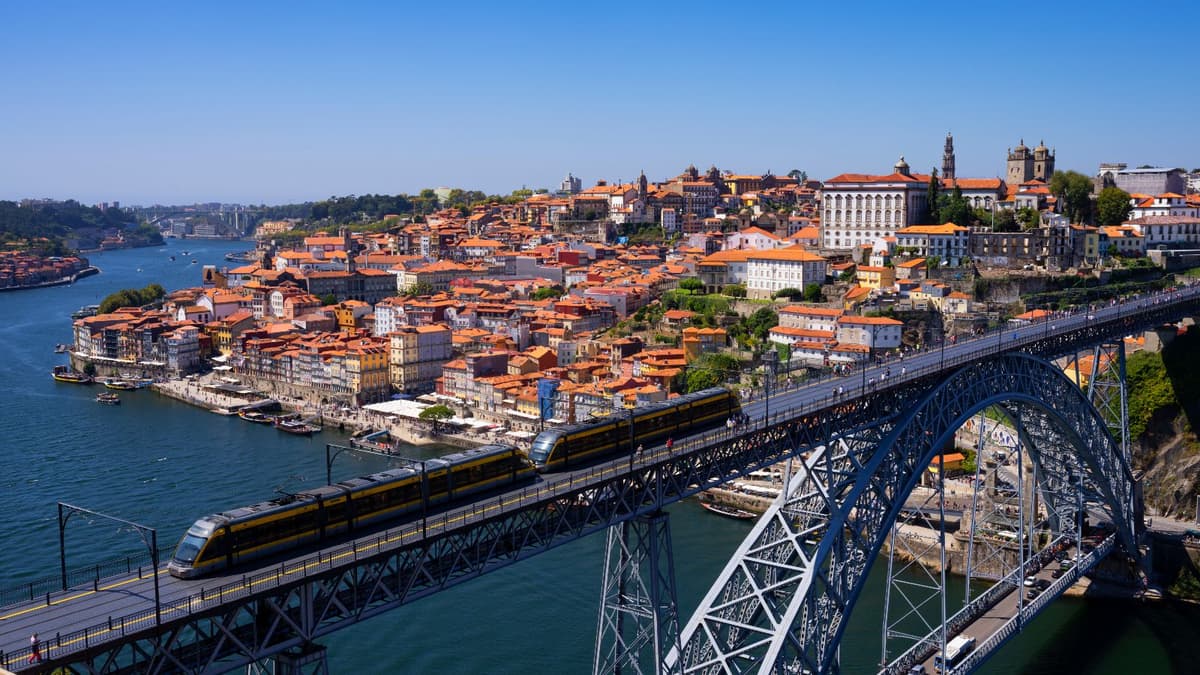
This trend is most visible in the historic hearts of cities like Lisbon and Porto, where the expert renovation of centuries-old buildings is creating premium residential and commercial assets. This process of transformation is not merely cosmetic; it involves deep structural and functional upgrades that bring these properties up to modern standards of comfort and energy efficiency. For investors, mastering the art of this transformation is crucial, a topic explored in depth in our guide to assessing property quality [https://www.realestate-lisbon.com/buying-guide/property-quality].
## Market Implications for Investors
The **AICCOPN** data offers investors a powerful, quantitative confirmation of the opportunities within the urban rehabilitation space. The 7.8% growth figure is a direct reflection of a market ripe with potential for value-add strategies. Acquiring and renovating well-located properties remains one of the most reliable methods for achieving above-average returns in the Portuguese real estate market. The increasing activity suggests that both demand for such properties and the industrial capacity to deliver them are in a healthy state.
A particularly reassuring metric for investors is the stability of the construction pipeline. The survey's 'contracted production' indicator, which estimates the backlog of secured work, currently stands at **8.9 months**. This figure, slightly up from 8.7 months last year, indicates that the construction sector is not facing an imminent downturn, providing a stable environment for planning and executing renovation projects. This stability is a key factor for mitigating risks associated with development timelines and costs. For more detailed analysis, investors should consult our comprehensive market insights [https://www.realestate-lisbon.com/market-insights].
Furthermore, the data on municipal licensing provides granular evidence of where the growth is concentrated. Up to the end of September, 4,868 licenses for rehabilitation projects were issued, a 4.5% increase year-on-year. Critically, the residential segment was the standout performer, with licenses for housing renovations jumping by **8.5%**. This demonstrates that private capital is flowing decisively towards creating new homes in existing urban centers, a direct response to Portugal's housing shortage and a strategy that aligns perfectly with the country's needs.
## The Engine of Urban Transformation
The boom in urban rehabilitation is not accidental; it is the result of a confluence of powerful economic and social trends that have created a fertile ground for this sector.
Several factors are fueling this transformation:
• **Structural Housing Deficit**: Major cities like Lisbon face a chronic shortage of housing, making the creation of new units through renovation a top priority and a lucrative investment.
• **High Demand for Central Locations**: A strong and persistent preference for living in walkable, amenity-rich urban centers, as seen in popular areas like Príncipe Real [https://www.realestate-lisbon.com/lisbon/principe-real], keeps demand for renovated properties high.
• **Supportive Policy Environment**: For years, government policy has favored urban renewal through tax incentives (like reduced VAT) and streamlined licensing in designated 'Áreas de Reabilitação Urbana' (ARU).
• **Superior Investment Returns**: The value uplift from transforming a derelict or outdated property into a modern, desirable home often provides a higher return on investment compared to acquiring a new-build.
It is also worth noting the caveat from **AICCOPN**: the official licensing data significantly under-represents the true scale of the market, as it excludes smaller projects that do not require formal permits. The real level of activity is therefore even higher, painting an even more bullish picture for the sector.
## Strategic Considerations for Foreign Investors
This data serves as a strong endorsement for foreign investors considering or actively pursuing renovation projects in Portugal. The market fundamentals are strong, business confidence is high, and the growth trajectory is clear. The primary challenge is not a lack of opportunity, but rather the effective execution of projects.
Success in this segment requires a professional and diligent approach. The first step is identifying a suitable property in a location with proven demand and growth potential. Following this, assembling a reliable local team is paramount. This includes partnering with experienced architects [https://www.realestate-lisbon.com/architects] who understand the nuances of Portuguese planning laws and constructors [https://www.realestate-lisbon.com/constructors] with a strong track record of delivering high-quality renovations on time and on budget. Engaging with English-speaking lawyers [https://www.realestate-lisbon.com/english-speaking-lawyers] from the outset is also critical to ensure all legal and contractual aspects are handled correctly.
## Future Outlook
The acceleration of urban rehabilitation is a profoundly positive development for the Portuguese property market. It fosters a more sustainable model of urban growth, preserves the country's invaluable architectural heritage, and delivers the housing that its cities desperately need. The strong business confidence and deep project pipeline suggest that this positive trend is set to continue, offering a stable and profitable environment for investment.
The message to investors is clear: the urban rehabilitation sector in Portugal is not just surviving, it is thriving. For those equipped with the right strategy and expert team, the opportunities to generate significant value are abundant. For bespoke advice on navigating this dynamic market, contact realestate-lisbon.com [https://www.realestate-lisbon.com/].