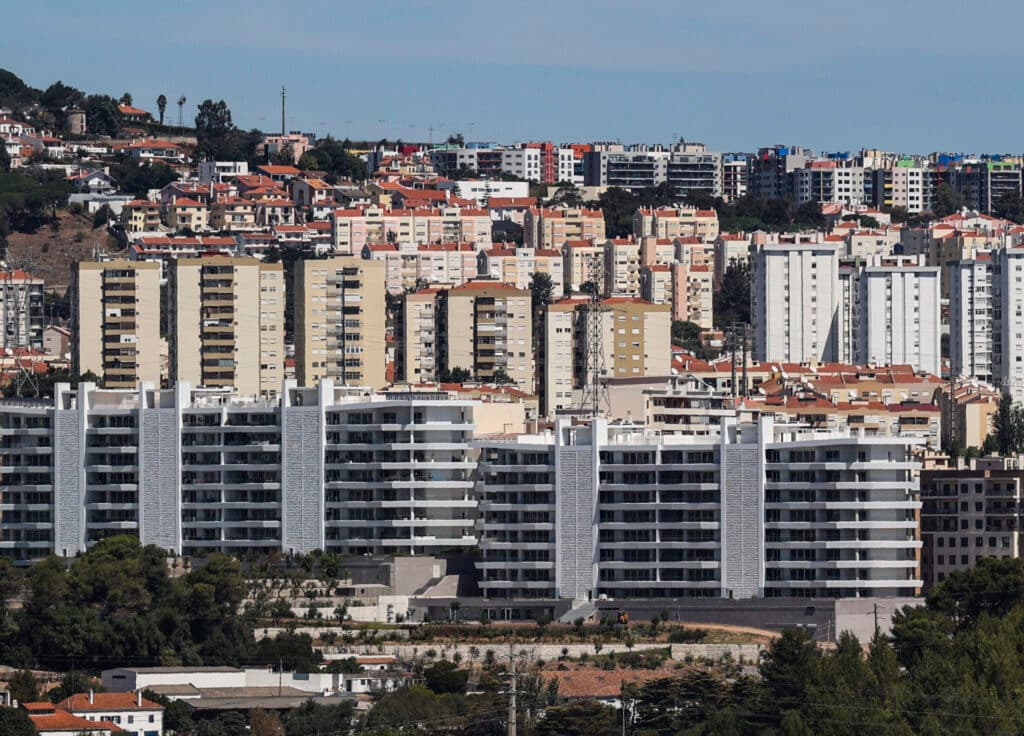
Portugal's Property Prices Surge in October, Santarém Leads with 36% Annual Increase
By Nikola Zdraveski
Published: November 4, 2025
Category: market-trends
### Portugal Property Market Shows Continued Growth as Santarém District Records 36% Annual Price Increase
In a notable development for **Portugal's residential property market**, October data from **Imovirtual** reveals continued price appreciation across both purchase and rental segments. The average property purchase price reached **€445,000**, representing a 2% month-on-month increase from September, while rental rates climbed 3% to an average of **€1,285 per month**.
The data underscores significant regional variations in market performance, with **Santarém district** demonstrating the most dramatic year-on-year appreciation at 36%, bringing average property prices to €270,000. This surge in secondary markets reflects evolving buyer preferences and investment patterns as purchasers increasingly look beyond traditional premium locations for value opportunities.
**Lisbon** maintains its position as Portugal's most expensive property market, with average purchase prices reaching €670,000 and rental rates averaging €1,750 monthly. The capital's sustained premium demonstrates the continued appeal of established urban centers while highlighting the growing price gap between primary and secondary markets.
### Key Takeaways
• ✓ Portugal's average property price reaches €445,000 in October, up 2% month-on-month
• ✓ Santarém district leads annual appreciation at 36%, signaling strong secondary market demand
• ✓ Lisbon maintains premium positioning with €670,000 average prices and €1,750 monthly rents
• ✓ Rental market shows 3% monthly growth, indicating sustained demand across residential segments
The geographic distribution of price growth reveals important insights into Portugal's evolving property landscape. **Central Portugal** demonstrated a 2% price increase, with rental rates holding steady at €800 monthly in the broader region. This stability in rental pricing, combined with purchase price appreciation, suggests improving yield dynamics for investors in these markets.
**Leiria district** emerged as another strong performer, recording 24% annual appreciation to reach average prices of €335,000. The district's rental market also showed robust growth, with rates increasing 6% to €900 monthly. Positioned between Lisbon and Porto, Leiria benefits from improved connectivity and growing appeal among buyers seeking more affordable alternatives to major metropolitan areas. For comprehensive analysis of regional market dynamics, see our Portugal property market insights [https://www.realestate-lisbon.com/market-insights].
The Santarém district's remarkable 36% annual appreciation warrants particular attention from investors. While starting from a lower baseline than premium markets, this level of growth indicates substantial demand pressure and limited supply in secondary locations. Rental rates in Santarém increased 6% to €800 monthly, matching broader central Portugal averages and suggesting improving fundamentals beyond pure price speculation.
## Market Implications for Investors
The October data carries significant implications for **foreign investors** evaluating Portugal's residential property market. The simultaneous appreciation in both purchase prices and rental rates across multiple districts demonstrates sustained demand fundamentals rather than isolated market anomalies. This broad-based growth pattern suggests underlying economic strength supporting the residential sector.
The substantial divergence in appreciation rates between districts presents strategic opportunities for investors with different risk profiles and investment horizons. While **Lisbon's premium positioning** offers stability and liquidity, the dramatic growth in Santarém and Leiria suggests potential for capital appreciation in carefully selected secondary markets. However, investors must balance growth potential against considerations of liquidity, tenant demand, and long-term sustainability of current appreciation rates.
The rental market's 3% monthly growth rate, if sustained, would translate to approximately 36% annual appreciation in rental income. This trajectory, combined with purchase price increases, raises important questions about affordability and potential market corrections. According to investment risk analysis [https://www.realestate-lisbon.com/buying-guide/investment-risks], markets experiencing rapid simultaneous growth in both purchase and rental segments often face sustainability challenges over medium-term horizons.
For **foreign buyers** considering portfolio diversification, the data suggests opportunities across Portugal's property spectrum. Premium Lisbon properties offer established markets with proven tenant demand, while secondary districts like Santarém present higher growth potential with correspondingly elevated risk profiles. The key consideration involves matching investment objectives with appropriate geographic and property type selections based on individual risk tolerance and return requirements.
## Imovirtual Market Data Context
**Imovirtual** operates as one of Portugal's leading property portals, providing monthly market barometers that track pricing trends across purchase and rental segments. The platform's data aggregation from thousands of property listings offers valuable insights into market direction, though investors should note that asking prices may differ from actual transaction values.
The October barometer represents a snapshot of market sentiment and pricing trends rather than completed transactions. While this data provides directional guidance for market movements, investors conducting due diligence should supplement portal data with official statistics from Portugal's National Statistics Institute (INE) and actual transaction records to validate investment decisions.
## Portugal Residential Property Market Context
Portugal's residential property market has demonstrated remarkable resilience following pandemic-related disruptions, supported by multiple demand drivers including foreign investment, remote work migration, and domestic buyer activity. The October data reflects continuation of trends that have characterized the market throughout 2024, with sustained price appreciation across most regions.
Several structural factors continue influencing Portugal's property market dynamics:
• **Foreign Investment Demand**: Continued interest from international buyers seeking European property exposure, lifestyle migration opportunities, and portfolio diversification, despite recent changes to Portugal's Golden Visa program
• **Supply Constraints**: Limited new construction in established areas combined with regulatory barriers to development continue restricting inventory, particularly in premium urban locations and coastal regions
• **Financing Conditions**: European Central Bank monetary policy and Portuguese banking sector lending standards significantly impact buyer purchasing power and investment returns through financing cost variations
• **Regulatory Environment**: Evolving tax policies, rental market regulations, and property ownership rules create both opportunities and constraints for different investor profiles and property types
The interaction of these factors creates a complex market environment where regional performance varies substantially based on local supply-demand balances, infrastructure development, and demographic trends. The dramatic appreciation in secondary markets like Santarém may reflect these dynamics as buyers priced out of premium locations seek alternatives with growth potential.
**Central Portugal's property market** benefits from improving transportation infrastructure connecting secondary cities to Lisbon and Porto, making previously peripheral locations increasingly viable for commuters and remote workers. This connectivity improvement, combined with significantly lower entry prices compared to major metropolitan areas, helps explain the robust appreciation rates in districts like Leiria and Santarém.
## Investment Considerations
Foreign investors evaluating **Portugal's residential property market** should approach the October data with balanced perspective. While the appreciation rates, particularly in secondary markets, appear attractive, sustainable investment strategies require careful analysis of underlying fundamentals rather than extrapolating recent trends indefinitely. Markets experiencing rapid appreciation often face correction risks when demand drivers shift or affordability constraints emerge.
The substantial price differential between Lisbon (€670,000 average) and secondary markets like Santarém (€270,000 average) presents both opportunities and risks. Lower-priced markets offer superior entry points and potentially higher percentage returns, but typically involve greater liquidity risk, narrower tenant pools, and higher sensitivity to economic disruptions. Investors should consult with English-speaking real estate lawyers [https://www.realestate-lisbon.com/english-speaking-lawyers] to understand legal structures, tax implications, and regulatory requirements specific to their target markets and investment strategies.
The rental market's robust growth merits particular attention from **buy-to-let investors**. Monthly rental increases of 3%, if sustained, would significantly enhance investment returns. However, investors must consider Portugal's evolving rental market regulations, tenant protection laws, and potential policy changes that could impact rental yields. Additionally, the relationship between purchase price appreciation and rental growth rates suggests potential yield compression in markets where prices rise faster than rents.
## Looking Ahead
Portugal's property market trajectory appears positioned for continued growth, supported by sustained demand from multiple buyer segments and persistent supply constraints in desirable locations. The October data reinforces the market's resilience while highlighting the increasing importance of careful market selection as regional performance diverges. Secondary markets demonstrating strong appreciation may offer opportunities for investors willing to accept higher risk profiles in exchange for growth potential.
However, prudent investors will monitor affordability metrics, financing conditions, and regulatory developments that could influence market dynamics. The substantial appreciation rates in districts like Santarém and Leiria, while impressive, require validation through sustained transaction volumes and rental demand to confirm long-term viability. For expert guidance on navigating Portugal's evolving property market and identifying opportunities aligned with your investment objectives, contact realestate-lisbon.com [https://www.realestate-lisbon.com/].