Portugal's Housing Paradox: Why More Construction Isn't Lowering Prices in Lisbon
By Pieter Paul Castelein
Published: November 14, 2025
Category: market-trends
### Lisbon's Construction Boom Fails to Cool Housing Prices as Demand Outpaces Supply
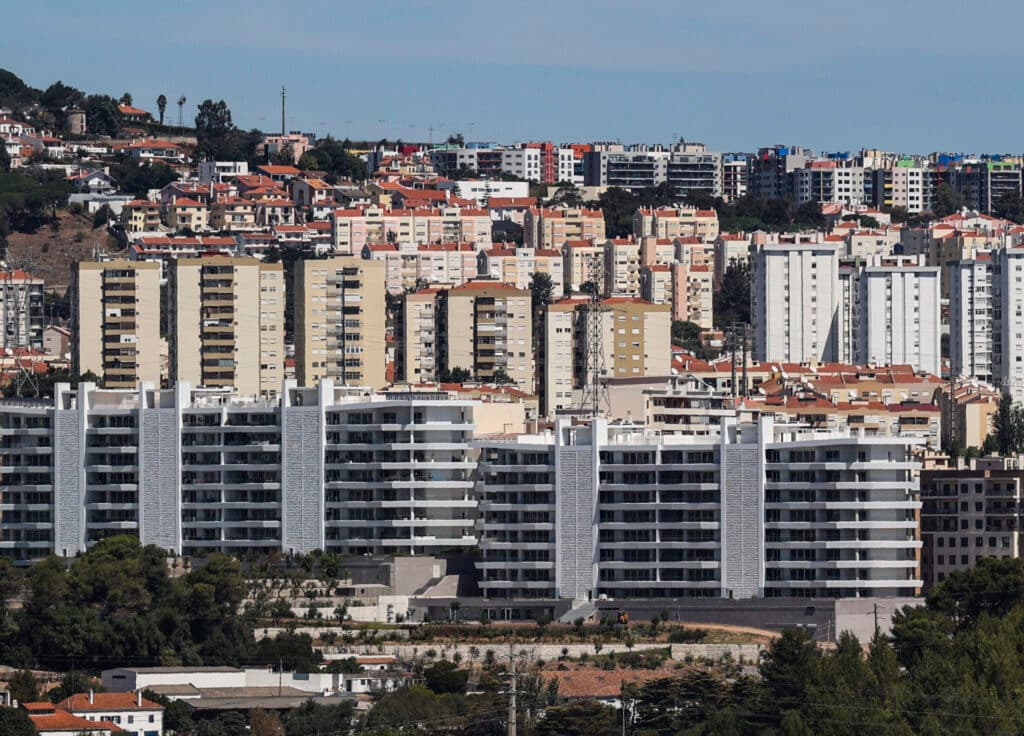
In a striking market paradox, **Lisbon**'s residential construction surge has failed to moderate housing prices, with values continuing to escalate even in areas experiencing the most intense development activity. This phenomenon, where increased supply coincides with rising rather than falling prices, demonstrates how unprecedented demand drivers are overwhelming traditional market dynamics in Portugal's capital.
The contradiction emerges from a perfect storm of demand factors that collectively outpace even vigorous construction efforts. According to recent market data [https://www.realestate-lisbon.com/market-insights], neighborhoods with the highest construction volumes—including Parque das Nações, Alcântara, and emerging areas like Marvila—simultaneously register the steepest price appreciation, suggesting supply responses remain insufficient relative to demand intensity.
### Key Takeaways
• ✓ Construction increases 95% annually in Lisbon while prices continue rising in high-build areas
• ✓ Pent-up domestic demand meets international investment flows creating unsustainable pressure
• ✓ Golden Visa and NHR programs attract high-net-worth individuals to premium segments
• ✓ Tourism conversion removes 15,000+ units from long-term housing market annually
**Lisbon**, Portugal's coastal capital spanning seven hills along the Tagus River, has experienced unprecedented housing demand across its diverse neighborhoods—from historic Alfama to modern Parque das Nações. The city's **Metropolitan Area**, encompassing municipalities like Cascais, Oeiras, and Sintra within 30 kilometers west, serves as Portugal's economic engine while maintaining Mediterranean climate and Atlantic beaches that attract global attention.
The **construction boom** primarily concentrates in strategically positioned areas offering Metro connectivity, highway access via A1 and A2, and proximity to employment centers like the **Central Business District** around Saldanha and Avenidas Novas. International investors particularly favor these locations for their infrastructure quality and rental potential targeting expatriate professionals working in Lisbon's growing tech and finance sectors.
## Market Implications for Investors
This supply-demand imbalance creates compelling opportunities for strategic investors who understand the underlying dynamics. The apparent paradox—that construction increases alongside prices—actually signals robust market fundamentals where demand fundamentally exceeds supply across all segments, suggesting continued appreciation potential for well-positioned properties.
**Foreign investors** should recognize that Portuguese housing faces structural shortages rather than speculative bubbles. A decade of underinvestment following the 2008 financial crisis created an estimated 200,000-unit deficit nationwide, while urban migration and international interest compound demand pressures that construction cannot immediately resolve.
The **tourism factor** fundamentally alters market dynamics, with approximately 15,000 residential units converted to short-term rental use, effectively removing them from long-term housing supply. This transformation particularly impacts historic neighborhoods like Bairro Alto and Chiado, where foreign investors seeking Golden Visa eligibility have concentrated purchases, creating premium pricing segments disconnected from local income levels.
## Portugal's Housing Deficit Background
Portugal's housing shortage stems from converging structural factors that created today's supply constraints. The 2008-2014 financial crisis devastated construction financing, while subsequent regulatory uncertainty and bureaucratic permitting processes discouraged development investment during critical recovery years.
The current construction surge represents necessary catch-up rather than oversupply. However, **development timelines**—typically 24-36 months from planning to completion—mean today's building boom responds to demand conditions established years ago, explaining why prices continue rising despite visible construction activity.
## Lisbon Residential Market Context
Lisbon's housing market operates within Portugal's broader economic transformation, where tourism growth, technology sector expansion, and favorable tax regimes attract international capital. The city's population of 500,000 within administrative boundaries swells to 2.8 million across the metropolitan area, creating housing pressure that extends beyond central neighborhoods.
Several factors continue driving exceptional demand across price segments:
• **Demographic Delay**: Portuguese millennials postponed household formation during economic uncertainty, creating pent-up demand now releasing as employment stabilizes
• **Golden Visa Investment**: Despite program modifications, real estate investment thresholds of €500,000 maintain foreign buyer interest in premium properties
• **NHR Tax Benefits**: Non-Habitual Resident status attracts high-earning expatriates to Portugal, concentrating demand in quality housing markets
• **Tourism Conversion**: Short-term rental profitability incentivizes property owners to convert long-term housing to tourist accommodation
These demand drivers interact with limited developable land in Lisbon's historic core, where preservation restrictions and topography constraints naturally restrict supply expansion. For comprehensive neighborhood analysis [https://www.realestate-lisbon.com/lisbon-real-estate-neighborhoods], investors should evaluate specific micro-markets within the broader metropolitan context.
## Investment Considerations
Strategic investors can capitalize on these market dynamics by targeting properties that benefit from demand inelasticity rather than attempting to time cyclical corrections. The supply-demand imbalance suggests continued appreciation potential for well-located properties serving growing demographic segments including international professionals and affluent retirees.
**Portfolio diversification** across Lisbon's metropolitan area offers exposure to different demand drivers—from central tourist accommodations to suburban family housing serving Portuguese professionals. Investors should consult with English-speaking real estate lawyers [https://www.realestate-lisbon.com/english-speaking-lawyers] experienced in Golden Visa and NHR structuring to optimize investment approaches.
Market selection becomes crucial given construction concentration patterns. Areas with transport infrastructure improvements—such as Metro extensions to Loures and Odivelas—offer appreciation potential as accessibility enhances, while established premium neighborhoods maintain demand from affluent international buyers regardless of local construction volumes.
## Looking Ahead
Lisbon's housing market appears positioned for continued price appreciation despite construction increases, as demand fundamentals remain robust across multiple buyer segments. The key investment insight recognizes that apparent construction booms actually represent necessary supply responses to years of underinvestment, with completion timelines creating temporary supply gaps that support pricing.
Foreign investors should approach Lisbon real estate as a structural growth story rather than cyclical opportunity, focusing on locations and property types that serve expanding demographic segments including international professionals, retirees, and tourism-related activities. For expert guidance on navigating Portugal's complex but rewarding housing market, contact realestate-lisbon.com [https://www.realestate-lisbon.com/].