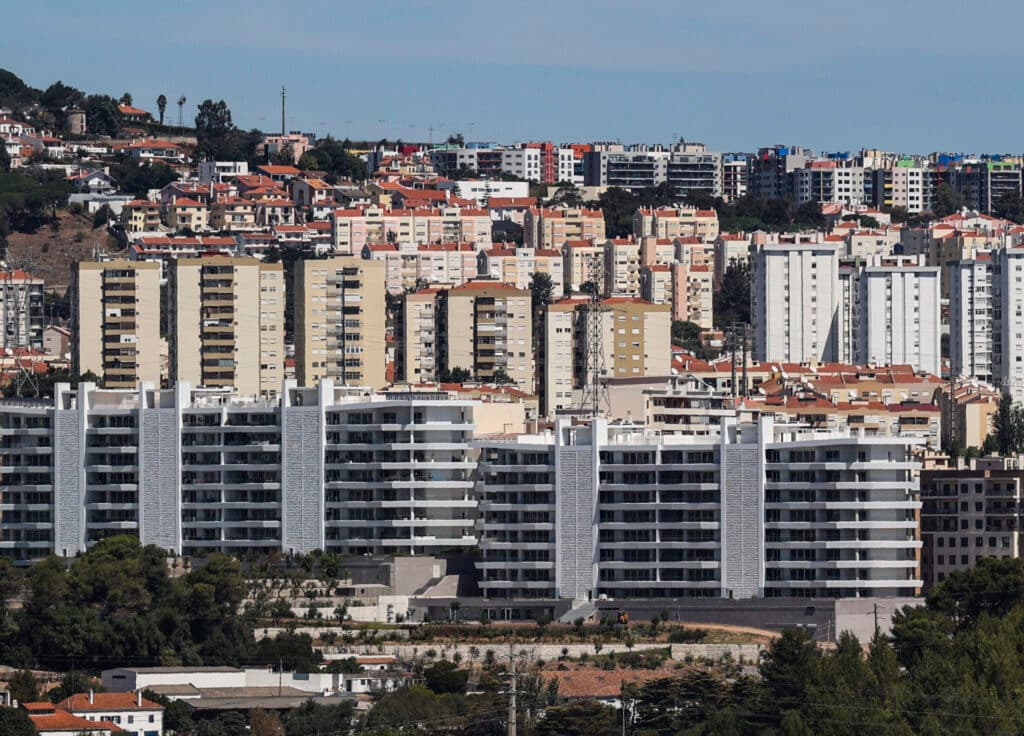
Affordable Housing in Portugal: Lisbon's Low Supply Contrasts with Interior Opportunities
By Kellogg Fairbank
Published: December 1, 2025
Category: market-trends
### Lisbon's Affordable Housing Crisis Creates Investment Opportunities in Portugal's Interior Markets
In a dramatic shift that signals fundamental changes in Portugal's residential real estate landscape, **affordable housing stock** under €200,000 has virtually disappeared from major urban centers while abundant opportunities emerge in interior regions. According to **idealista** data for summer 2025, Lisbon's affordable housing inventory has plummeted to just 2% of total market supply, representing a catastrophic 80% decline from 2020 levels when over 10% of properties fell within this price range.
This seismic market transformation creates a compelling investment thesis for foreign investors willing to look beyond Portugal's traditional property hotspots. While **Lisbon** and other major cities have become increasingly inaccessible to first-time buyers and rental investors, Portugal's interior regions offer substantial inventory, attractive yields, and significant appreciation potential as demographic trends shift.
### Key Takeaways
• ✓ Lisbon affordable housing supply collapsed to 2% from 10%+ in 2020, creating interior market opportunities
• ✓ Interior cities like Guarda and Portalegre maintain 50%+ affordable inventory versus 1-5% in coastal cities
• ✓ Premium properties over €500k now dominate Lisbon (63%) and Porto (33%) markets
• ✓ Investment arbitrage opportunity exists between coastal premium markets and undervalued interior regions
The **Lisbon metropolitan area**, stretching from the historic city center to suburban municipalities like Amadora and Odivelas, has experienced the most dramatic affordable housing contraction. Once offering diverse price points across neighborhoods from Alfama to Parque das Nações, the capital now presents a bifurcated market where properties under €200,000 represent statistical anomalies rather than viable investment options.
This transformation reflects Lisbon's evolution into a premium European capital, driven by foreign investment, tourism growth, and limited new construction in affordable segments. For investors seeking exposure to Portugal's residential market, understanding these geographic disparities becomes crucial for identifying value opportunities. Our comprehensive Lisbon neighborhoods guide [https://www.realestate-lisbon.com/lisbon-real-estate-neighborhoods] provides detailed analysis of how different areas have responded to these market pressures.
## Market Implications for Investors
The collapse of affordable housing inventory in major Portuguese cities signals a fundamental **market maturation** that creates both challenges and opportunities for foreign investors. This shift indicates that coastal markets have largely completed their appreciation cycle, transitioning from emerging to established premium destinations where entry barriers now exclude traditional domestic buyers.
For **investment strategy**, this geographic divergence suggests a two-tier approach may prove most effective. Coastal properties, while expensive, offer stability and liquidity for wealth preservation strategies. Interior markets, conversely, present value-appreciation potential as remote work trends and quality-of-life considerations drive population redistribution. According to recent market analysis [https://www.realestate-lisbon.com/market-insights], interior regions are experiencing renewed interest from both domestic and international buyers seeking affordable alternatives.
The **yield dynamics** also favor interior markets, where rental returns often exceed 6-8% compared to 3-4% in saturated coastal cities. While liquidity may be lower, the combination of attractive entry prices, strong cash flow, and demographic tailwinds creates compelling total return potential for patient capital willing to invest in Portugal's emerging regions.
This market segmentation also reflects broader **demographic trends** as younger Portuguese professionals and international remote workers seek affordable alternatives to expensive coastal cities. Interior regions offer authentic Portuguese lifestyle experiences, lower living costs, and increasingly, modern infrastructure supporting contemporary work requirements.
## Interior Market Opportunities
**Guarda**, Portugal's highest city at 1,000 meters elevation, exemplifies the interior opportunity with over 50% of housing stock remaining under €200,000. This historic city, located 200 kilometers northeast of Lisbon along the A23 motorway, offers investors authentic Portuguese character combined with modern amenities and excellent connectivity to both coast and Spain.
Similarly, **Portalegre** in the Alentejo region presents compelling value for investors seeking exposure to Portugal's agricultural heartland. Located 180 kilometers northeast of Lisbon near the Spanish border, this undiscovered gem maintains its traditional character while offering properties at fractions of coastal prices, creating significant appreciation potential as awareness grows.
## Portugal Residential Market Context
Portugal's residential market has experienced unprecedented transformation over five years, evolving from a relatively affordable Southern European destination to a premium market where **property values** in major cities rival those of more established European capitals. This appreciation, while benefiting early investors, has created accessibility challenges that reshape investment opportunities.
Several factors continue driving these **market dynamics**:
• **Foreign Investment Influx**: Continued international capital flows, particularly from Northern Europe and North America, maintain upward pressure on coastal property values
• **Golden Visa Program Evolution**: Despite restrictions on Lisbon and Porto eligibility, investor interest persists in qualifying interior regions and commercial properties
• **Tourism Infrastructure Development**: Enhanced international connectivity and hospitality offerings increase Portugal's global appeal beyond traditional markets
• **Quality of Life Factors**: Political stability, safety, healthcare quality, and climate advantages sustain long-term demand from lifestyle buyers
These fundamental drivers suggest Portugal's property market transformation reflects permanent structural changes rather than temporary speculation, making geographic diversification strategies increasingly important for optimizing investment outcomes.
## Investment Strategy Considerations
Foreign investors approaching Portugal's current **residential market environment** must balance multiple factors including location preferences, investment timeline, and risk tolerance. The geographic price disparity creates clear strategic pathways depending on investment objectives and capital availability.
For **capital appreciation strategies**, interior regions offer compelling risk-adjusted returns as demographic trends and infrastructure improvements support long-term value creation. Cities like **Castelo Branco** and **Beja**, each maintaining 50%+ affordable inventory, provide exposure to Portugal's authentic culture while positioning for potential appreciation as coastal market refugees seek alternatives.
Foreign investors should engage investment-focused real estate agents [https://www.realestate-lisbon.com/professionals/real-estate-agents-investment-properties] familiar with interior market dynamics, as these regions require different evaluation criteria than coastal markets. Local expertise becomes crucial for identifying properties with genuine potential versus those facing structural demographic challenges.
## Looking Ahead
Portugal's residential market bifurcation appears likely to persist as major coastal cities cement their status as premium European destinations while interior regions offer value opportunities for informed investors. This geographic diversification creates a more mature, sophisticated market where strategic location selection becomes paramount for investment success.
The transformation from a uniformly affordable market to one offering distinct investment tiers provides opportunities for various investor profiles and strategies. For expert guidance on navigating Portugal's evolving residential investment landscape, from Lisbon's premium segments to emerging interior opportunities, contact realestate-lisbon.com [https://www.realestate-lisbon.com/].