Portugal's Central Bank Warns Against 100% Mortgages, Signaling Stability for Investors
By Mihail Talev
Published: November 24, 2025
Category: legal-updates
### Portugal's Central Bank Rejects 100% Mortgages, Bolstering Real Estate Market Stability for Foreign Investors
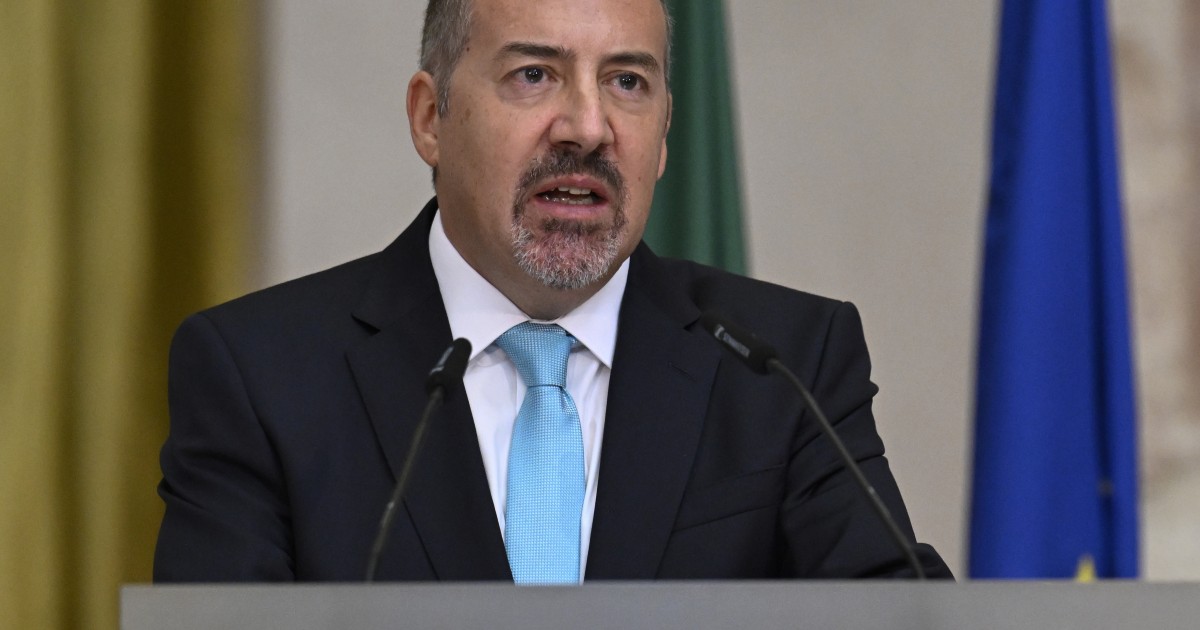
In a decisive move that reinforces Portugal's commitment to financial prudence, **Álvaro Santos Pereira**, Governor of the **Bank of Portugal**, has firmly rejected calls to relax mortgage lending rules, including proposals for 100% home financing. Speaking at the CNN Portugal International Summit in Alcobaça, the Governor's stance demonstrates the central bank's determination to prevent speculative bubbles that could destabilize Portugal's property market and protect foreign investors from overheated conditions.
The Governor's intervention comes as some Portuguese banking executives have advocated relaxing **macroprudential regulations**—rules designed to maintain financial system stability by requiring borrowers to contribute substantial down payments when purchasing property. For foreign investors monitoring Portugal's real estate market dynamics [https://www.realestate-lisbon.com/market-insights], this regulatory discipline signals a mature market approach that prioritizes long-term stability over short-term growth.
### Key Takeaways
• ✓ Bank of Portugal Governor rejects 100% mortgage proposals, maintaining down payment requirements
• ✓ Macroprudential rules protect market from speculative bubbles and excessive leverage
• ✓ Regulatory stance demonstrates Portugal's commitment to sustainable property market growth
• ✓ Foreign investors benefit from market stability and reduced systemic risk exposure
The Governor's remarks carry particular weight given Portugal's recent real estate trajectory. Following rapid price appreciation in Lisbon and Porto, driven partly by foreign investment through programs like the **Golden Visa**, maintaining lending standards prevents the market from becoming overly dependent on leveraged domestic buyers. This measured approach helps ensure that Lisbon's premium neighborhoods [https://www.realestate-lisbon.com/lisbon-real-estate-neighborhoods] and other desirable areas retain their investment appeal without entering bubble territory.
Portugal's macroprudential framework requires borrowers to provide significant down payments—typically 20% for primary residences and higher for investment properties—creating a natural buffer against market volatility. For international investors, this regulatory environment provides confidence that Portuguese property values reflect genuine demand rather than unsustainable credit expansion, as seen in other European markets during previous cycles.
## Market Implications for Investors
The Bank of Portugal's firm stance on lending standards carries profound implications for real estate investors. By rejecting calls for 100% mortgages, the central bank prevents the kind of speculative buying that can inflate prices beyond sustainable levels. This **regulatory discipline** means foreign investors face less competition from highly leveraged domestic buyers, creating a more stable investment environment where property values correlate more closely with rental yields and economic fundamentals.
Furthermore, maintaining strict lending criteria protects existing property owners from the boom-bust cycles that plague less regulated markets. When central banks allow excessive leverage, prices can surge rapidly during good times but collapse just as quickly when credit conditions tighten. Portugal's approach ensures that property investment risks [https://www.realestate-lisbon.com/buying-guide/investment-risks] remain manageable, as purchases require genuine equity commitment from buyers.
The Governor's reference to "learning from past mistakes" alludes to the 2008 financial crisis, when loose lending standards globally contributed to real estate bubbles and subsequent crashes. Portugal experienced its own challenges during this period, particularly in the construction and real estate sectors. By maintaining prudent lending standards now, the Bank of Portugal reduces the likelihood of similar disruptions that could negatively impact foreign property investments.
This regulatory approach also aligns with broader European trends toward stricter macroprudential oversight. As the Governor noted, many European countries are making central bank recommendations legally binding rather than advisory. For investors considering Portuguese real estate opportunities [https://www.realestate-lisbon.com/buying-guide/financial-concerns], this harmonization with European standards provides additional confidence in the market's regulatory framework.
## Bank of Portugal's Regulatory Mandate
The **Bank of Portugal** serves as the country's central bank and primary financial regulator, with responsibilities extending beyond monetary policy to include safeguarding financial stability. Established in 1846, the institution plays a crucial role in supervising banks, insurance companies, and other financial entities operating in Portugal. Its macroprudential authority empowers the Bank to implement measures preventing systemic risks from building up across the financial system.
Under Governor Álvaro Santos Pereira's leadership since 2022, the Bank has maintained a cautious approach to credit expansion, recognizing that Portugal's relatively small economy can be vulnerable to external shocks. This institutional conservatism benefits foreign investors by creating a more predictable regulatory environment where sudden policy shifts are unlikely to destabilize property markets.
## Portuguese Mortgage Market Context
Portugal's mortgage market operates within a sophisticated regulatory framework that balances consumer access to credit with financial stability objectives. Current rules require banks to assess borrowers' ability to repay loans even if interest rates rise significantly, using stressed scenarios to ensure long-term affordability. This **responsible lending approach** means mortgage approvals depend on genuine repayment capacity rather than simply property valuations.
The country's banking sector has undergone substantial restructuring since the financial crisis, with institutions now holding higher capital reserves and maintaining stricter underwriting standards. For foreign investors seeking Portuguese mortgage financing [https://www.realestate-lisbon.com/portuguese-mortgage-calculator], this translates to more thorough application processes but also more sustainable lending practices that protect both borrowers and the broader financial system.
Several factors continue to influence Portugal's mortgage market dynamics:
• **Interest Rate Environment**: European Central Bank policy rates directly affect Portuguese mortgage costs, with most loans tied to variable rate structures
• **Foreign Buyer Participation**: International investors often purchase properties outright, reducing the mortgage market's influence on prime property segments
• **Regulatory Oversight**: EU-wide banking regulations ensure Portuguese institutions maintain conservative lending practices aligned with European standards
• **Economic Fundamentals**: Portugal's steady economic growth and improving employment prospects support sustainable housing demand without requiring excessive leverage
These elements combine to create a mortgage market that supports property ownership without encouraging speculative excess, providing a solid foundation for real estate investment.
## Strategic Implications for Property Investment
For foreign investors evaluating Portuguese real estate opportunities, the Bank of Portugal's regulatory stance offers several strategic advantages. By preventing excessive leverage, the central bank helps ensure that property prices reflect genuine economic demand rather than artificial credit-driven speculation. This creates more reliable rental yield calculations [https://www.realestate-lisbon.com/calculators/rental-yield] and long-term appreciation potential based on fundamentals rather than leverage cycles.
Additionally, the requirement for substantial down payments means that sellers typically deal with more committed buyers who have demonstrated financial capacity. This reduces transaction fall-through rates and creates more stable market conditions where agreed sales proceed to completion. Foreign investors should consult with English-speaking real estate lawyers [https://www.realestate-lisbon.com/english-speaking-lawyers] who understand how these lending regulations affect property purchase structures and financing options.
The regulatory environment also influences which property segments offer the best investment prospects. With domestic buyers constrained by lending limits, foreign investors with cash resources can compete more effectively for premium properties in desirable locations like **Chiado**, **Príncipe Real**, or **Parque das Nações**. This dynamic creates opportunities for international buyers to acquire high-quality assets without facing bidding wars from highly leveraged local competitors.
## Looking Ahead
The Bank of Portugal's commitment to maintaining prudent lending standards positions the country's real estate market favorably for sustained, stable growth. By resisting pressure to relax macroprudential rules, the central bank demonstrates its determination to prevent the kind of credit-fueled bubbles that have destabilized other property markets. For foreign investors, this regulatory discipline provides confidence that Portuguese real estate values will reflect genuine economic fundamentals rather than speculative excess.
As European Central Bank monetary policy continues evolving, Portugal's conservative lending framework provides an additional buffer against potential market volatility. Investors can proceed with greater certainty that their Portuguese property acquisitions represent sound long-term investments supported by sustainable market dynamics rather than temporary credit conditions. For expert guidance on navigating Portugal's regulated property market, contact realestate-lisbon.com [https://www.realestate-lisbon.com/].