Barreiro's Shopping Center Rebrand: A Case Study in Urban Regeneration for Investors
By Kellogg Fairbank
Published: December 3, 2025
Category: general
### Barreiro's Shopping Center Rebrand: A Case Study in Urban Regeneration for Investors
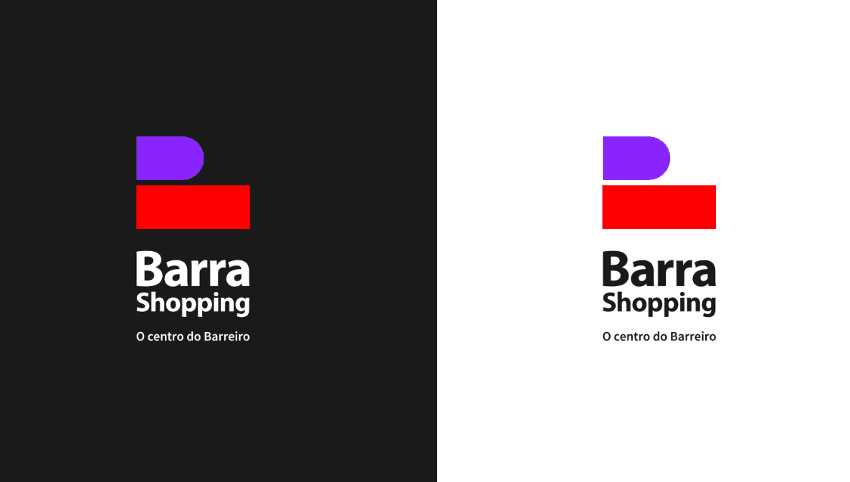
In a notable development for **Barreiro**'s urban regeneration landscape, the former **Fórum Barreiro** shopping center has undergone a controversial rebranding to **Barra Shopping**, reflecting deeper tensions between private governance and public space utilization. This transformation underscores the complex challenges facing post-industrial cities attempting to revitalize commercial assets while balancing civic functions with market demands.
The shopping center, which lost over 50% of its major retail tenants during a decade of commercial decline, now houses a significant **Loja do Cidadão** (Citizen Shop) – a government service center that attracts daily foot traffic but creates operational tensions within the retail environment. For investors examining Portugal's secondary market opportunities, this case offers critical insights into the risks and rewards of urban regeneration projects in post-industrial municipalities.
Located 15 kilometers southeast of central Lisbon across the Tagus River, Barreiro represents a classic example of Portuguese industrial cities transitioning to service-based economies. The city's strategic positioning along major transportation corridors, including the A2 highway and ferry connections to Lisbon, makes it an interesting case study for foreign investors seeking value outside premium markets.
### Key Takeaways
• ✓ Fórum Barreiro rebrands to Barra Shopping after losing 50% of major retail tenants
• ✓ Government service center occupies significant space, creating hybrid public-commercial use
• ✓ Rebranding reflects broader tensions between urban regeneration and commercial viability
• ✓ Case demonstrates challenges of revitalizing retail assets in post-industrial cities
The **Barra Shopping** occupies a central position in Barreiro's urban core, approximately 800 meters from the municipal headquarters and main transport hub. This location, while not prime Lisbon real estate, offers accessibility via the regional train line connecting to Lisbon's Roma-Areeiro station in 25 minutes. The area's demographic profile includes a mix of working-class families and young professionals seeking affordable housing alternatives to Lisbon's escalating prices.
For foreign investors evaluating Portugal's secondary markets, Barreiro represents an emerging opportunity with infrastructure advantages but distinct risk profiles from Lisbon's premium districts. The municipality's master plan emphasizes urban regeneration [https://www.realestate-lisbon.com/barreiro/pdm] and economic diversification, creating potential for strategic property investments aligned with public policy objectives.
The shopping center's evolution from industrial-era regeneration anchor to struggling retail asset illustrates the complex dynamics facing investors in post-industrial urban spaces. Understanding these patterns proves essential for evaluating similar opportunities across Portugal's secondary cities.
## Market Implications for Investors
The Barra Shopping rebranding carries significant implications for **retail real estate investors** examining Portugal's secondary markets. The transformation from prestigious "Fórum" designation to generic "Shopping" terminology signals a strategic retreat from aspirational positioning, potentially indicating broader market pressures affecting retail assets outside major metropolitan areas.
This **commercial descapitalization** – where symbolic value erosion accompanies physical decline – represents a critical risk factor for investors considering retail properties in transitioning economies. The presence of non-retail tenants like Loja do Cidadão, while providing occupancy stability, fundamentally alters the consumer experience and may limit future repositioning options for purely commercial uses.
For investors analyzing Portuguese retail market opportunities [https://www.realestate-lisbon.com/market-insights], this case demonstrates the importance of evaluating tenant mix sustainability beyond simple occupancy rates. Government service centers, while providing reliable rent streams, may conflict with retail strategies targeting affluent consumers seeking premium shopping experiences.
The rebranding decision, apparently made without public consultation, highlights governance risks in privately-owned urban assets that serve quasi-public functions. Foreign investors should factor community relations and stakeholder engagement into their due diligence processes when evaluating properties with significant civic importance.
## Urban Regeneration Context
**Barreiro's transformation** from industrial powerhouse to service-oriented municipality reflects broader Portuguese economic restructuring following the decline of heavy industry in the late 20th century. The city, once home to significant shipbuilding and manufacturing operations, has struggled to redefine its economic identity while maintaining population stability and attracting new investment.
The Fórum Barreiro originally emerged as a regeneration catalyst during the 1990s, designed to replace industrial employment with retail and service opportunities while providing modern consumer amenities. This **post-industrial repositioning strategy** mirrors approaches taken across Europe's rust belt regions, where retail developments often serve as transitional economic anchors before more diversified service economies emerge.
Current municipal efforts focus on attracting logistics operations, creative industries, and residential development benefiting from Barreiro's strategic location relative to Lisbon. Investors examining off-plan development opportunities [https://www.realestate-lisbon.com/off-plan] should monitor how infrastructure investments and policy incentives align with demographic trends and economic diversification plans.
## Retail Real Estate Market Context
The Barra Shopping situation reflects broader challenges facing Portuguese retail real estate outside Lisbon and Porto's premium markets. Secondary cities have experienced significant pressure from e-commerce growth, demographic shifts, and changing consumer preferences that favor experience-based retail over traditional shopping center formats.
Several factors continue to influence retail property performance in Portugal's secondary markets:
• **E-commerce Disruption**: Online retail growth particularly affects mid-market shopping centers without distinctive positioning or experiential offerings
• **Demographic Shifts**: Population migration toward major metropolitan areas reduces consumer bases in traditional industrial cities
• **Public Sector Integration**: Government service centers provide occupancy stability but may conflict with premium retail positioning strategies
• **Transportation Connectivity**: Properties with strong public transport links to major employment centers demonstrate greater resilience
These dynamics create both challenges and opportunities for investors willing to pursue adaptive reuse strategies or hybrid commercial-public models. Success requires understanding local market conditions, demographic trends, and policy frameworks supporting urban regeneration objectives.
## Investment Considerations
For foreign investors evaluating **secondary market retail opportunities**, the Barra Shopping case provides valuable lessons about the complexities of urban regeneration investments. The intersection of public policy objectives, private commercial imperatives, and community expectations creates unique risk-return profiles requiring specialized analysis and management approaches.
Investors should consider engaging English-speaking real estate lawyers [https://www.realestate-lisbon.com/english-speaking-lawyers] familiar with Portuguese commercial property law, particularly regarding mixed-use properties involving public sector tenants. Lease structures, termination rights, and repositioning flexibility become critical factors when evaluating assets with hybrid commercial-public characteristics.
The potential for **adaptive reuse strategies** – converting struggling retail spaces into mixed-use developments incorporating residential, office, or logistics components – may offer superior risk-adjusted returns compared to traditional retail repositioning. However, such strategies require significant capital investment, regulatory approvals, and market validation before implementation.
## Looking Ahead
The Barra Shopping rebranding represents more than a simple name change; it symbolizes the ongoing evolution of Portuguese secondary cities grappling with post-industrial transformation. For investors, this case highlights both the opportunities and pitfalls of urban regeneration investments in markets experiencing structural economic transitions.
Success in these markets requires patient capital, local market expertise, and strategies aligned with long-term demographic and economic trends. While returns may not match Lisbon's premium districts, carefully selected secondary market investments can provide attractive risk-adjusted returns for investors willing to navigate complex urban regeneration dynamics. For expert guidance on secondary market investment opportunities, contact realestate-lisbon.com [https://www.realestate-lisbon.com/].