Sintra's New €25M Urban Logistics Park: Architectural Approval Signals Major Investment Opportunity
By Adrian Garuta
Published: December 3, 2025
Category: construction-updates
### Sintra Approves €25M Urban Logistics Park: Joint Venture Signals Portugal's Industrial Real Estate Expansion
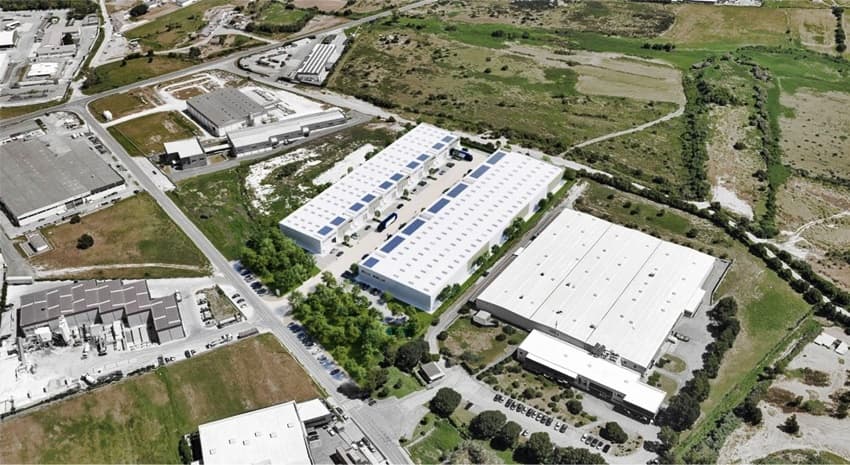
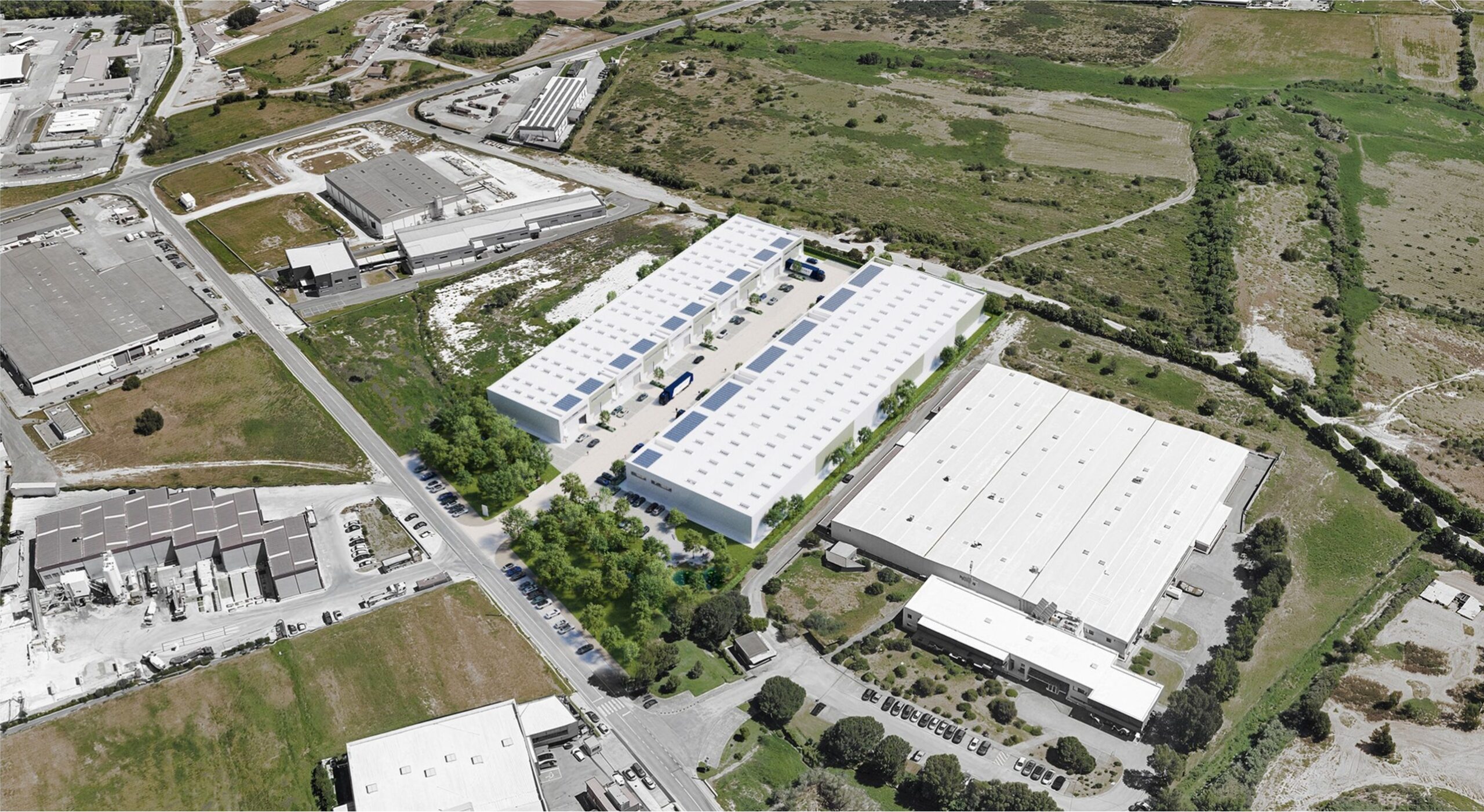
In a significant development for Portugal's logistics real estate sector, architectural approval has been granted for the **Campo Raso Business Park**, a €25 million urban logistics development in Sintra municipality. This 14,700 square meter Grade A multi-tenant facility represents the first Portuguese venture between **Mitiska REIM**, a Belgian-listed real estate investment fund specializing in European logistics properties, and **Chancerygate**, a UK-based industrial property developer with over £2 billion in completed projects across the UK and Ireland. The development underscores growing institutional investor confidence in Portugal's logistics infrastructure as e-commerce and supply chain optimization drive demand for strategically positioned distribution facilities.
The project, located on a 2.7-hectare site near major transport arteries connecting Lisbon to Sintra, demonstrates the strategic positioning that international investors seek when entering the Portuguese market. With the potential to create up to 100 direct jobs across 15 units ranging from 600 to 2,200 square meters, this speculative development—built without pre-committed tenants—signals robust market fundamentals and anticipates strong occupier demand from logistics operators, e-commerce fulfillment companies, and light industrial businesses serving the Greater Lisbon metropolitan area.
### Key Takeaways
• ✓ Mitiska REIM and Chancerygate receive approval for €25M, 14,700m² logistics park in Sintra municipality
• ✓ First Portuguese venture signals foreign institutional capital targeting logistics real estate opportunities
• ✓ Strategic location near A37/A16 highways provides 20-minute access to Lisbon Port and airport
• ✓ BREEAM Excellent and EPC A+ certifications target sustainability-focused tenants and investors
The **Campo Raso Business Park** occupies a strategically advantageous position 15 kilometers northwest of central Lisbon, situated within Sintra's industrial corridor along the N9 and N250-1 access roads. This location provides immediate connectivity to the A37 and A16 highways, creating a logistics node that offers 20-minute drive times to both **Lisbon Port** and **Humberto Delgado Airport**, while maintaining proximity to the affluent consumer markets of Cascais, Oeiras, and central Lisbon. The area's established industrial character, combined with recent infrastructure investments, has attracted numerous distribution centers and light manufacturing operations seeking cost-effective land prices while remaining within the Greater Lisbon economic sphere.
Sintra municipality's combination of available development land, skilled workforce availability, and favorable business environment makes it particularly attractive for foreign investors entering Portugal's logistics market. For comprehensive analysis of industrial real estate opportunities across the region, see our Lisbon metropolitan area guide [https://www.realestate-lisbon.com/lisbon-real-estate-neighborhoods]. The municipality's strategic development plan actively encourages logistics investments that create employment while maintaining the area's environmental standards, positioning Campo Raso as a flagship project that demonstrates how industrial development can align with sustainability objectives.
## Market Implications for Industrial Real Estate Investors
The approval of this speculative logistics development carries significant implications for **industrial real estate investors** evaluating Portuguese market opportunities. The joint venture's willingness to proceed without pre-leased tenants demonstrates confidence in underlying demand dynamics, particularly as e-commerce penetration rates in Portugal continue converging with European averages and companies optimize supply chains for faster last-mile delivery to Lisbon's 2.8 million metropolitan residents.
This **market signal** reinforces Portugal's emergence as a target destination for logistics real estate capital, joining established markets like Spain and Italy in attracting institutional investment. The project's scale—representing approximately 3% of Greater Lisbon's modern logistics stock—indicates developer confidence in absorption rates despite current economic uncertainties. For investors tracking Portuguese real estate market trends [https://www.realestate-lisbon.com/market-insights], this transaction exemplifies how foreign capital identifies and capitalizes on supply-demand imbalances in specialized property sectors.
The development's sustainability credentials, targeting both **BREEAM Excellent certification**—a globally recognized green building standard requiring comprehensive environmental performance—and **EPC A+ rating** indicating maximum energy efficiency, reflect how environmental considerations increasingly drive tenant decisions and asset values. Investors should note that buildings achieving these certifications typically command rental premiums of 5-7% while experiencing faster lease-up periods and lower vacancy rates, particularly among multinational logistics operators with corporate sustainability mandates.
## Joint Venture Partners' Strategic Positioning
**Mitiska REIM** brings substantial European logistics expertise to this partnership, managing a €1.2 billion portfolio across Belgium, Netherlands, Germany, and France before entering Portugal. The fund's focus on mid-size logistics properties—typically 10,000-50,000 square meters—in strategic locations aligns perfectly with Portuguese market characteristics, where fragmented supply and growing demand create opportunities for well-positioned assets. Their speculative approach indicates sophisticated market analysis identifying undersupplied submarkets with strong demographic and infrastructure tailwinds.
**Chancerygate** contributes deep industrial development expertise, having delivered over 6 million square feet of logistics space annually across the UK market. Their Portuguese expansion represents a strategic diversification into Southern Europe's growing logistics markets, leveraging proven development methodologies and tenant relationships to establish early-mover advantages. The joint venture structure allows both partners to share risk while combining complementary expertise—Mitiska's capital markets access and European logistics knowledge with Chancerygate's development and operational capabilities.
## Portuguese Logistics Real Estate Market Context
Portugal's logistics real estate market has experienced transformational growth, driven by structural changes in retail distribution, manufacturing supply chains, and post-pandemic e-commerce acceleration. The country's strategic position as Europe's western gateway, combined with significant infrastructure investments including the **Port of Lisbon's** expansion and improved highway connections to Spain, has elevated its importance within European logistics networks. Current market fundamentals show vacancy rates below 5% for Grade A logistics space in prime locations, while rental growth has averaged 4-6% annually over the past three years.
Several factors continue supporting logistics real estate demand across Portugal:
• **E-commerce Growth**: Online retail penetration reaching 12% of total retail sales drives demand for fulfillment centers and last-mile delivery hubs
• **Nearshoring Trends**: Companies relocating manufacturing from Asia to Europe benefit from Portugal's competitive costs and skilled workforce
• **Infrastructure Investment**: €8 billion in transport infrastructure improvements enhance connectivity to major European markets
• **Institutional Capital Inflows**: International investors increasingly allocate capital to Portuguese logistics seeking yield premiums over core European markets
These dynamics create a supportive environment for speculative logistics developments, particularly when positioned strategically relative to population centers and transport infrastructure. The **Campo Raso Business Park** benefits from these tailwinds while offering tenants modern specifications that older Portuguese industrial stock cannot match.
## Investment Considerations for Foreign Investors
This development offers foreign investors important insights into **Portuguese logistics real estate** opportunity evaluation. The joint venture's approach—combining institutional capital with local development expertise—represents a proven model for entering Portugal's property market while mitigating execution risk. Foreign investors should note that logistics real estate typically offers yields 200-300 basis points above office or retail assets, while requiring specialized knowledge of tenant requirements, transport connectivity, and regulatory considerations.
Investors considering direct exposure to Portuguese logistics should evaluate factors including proximity to major highways, availability of skilled labor, local planning regulations, and potential tenant demand drivers. Working with English-speaking commercial property lawyers [https://www.realestate-lisbon.com/english-speaking-lawyers] familiar with industrial development regulations ensures proper due diligence regarding zoning, environmental compliance, and construction permitting. Additionally, consulting construction companies [https://www.realestate-lisbon.com/constructors] experienced in sustainable building practices can optimize both development costs and long-term operational efficiency.
The project's sustainability focus also reflects broader **ESG considerations** increasingly important for institutional investors. Buildings achieving high environmental certifications typically command premium valuations and attract higher-quality tenants, while future-proofing against tightening environmental regulations. Investors should factor these premiums into underwriting models and consider how sustainability credentials might influence exit strategies and buyer pools.
## Looking Ahead: Portugal's Logistics Real Estate Trajectory
The Campo Raso Business Park approval represents an inflection point for Portuguese logistics real estate, signaling sophisticated international capital's recognition of Portugal's strategic value within European supply chains. As e-commerce growth continues and companies prioritize supply chain resilience, demand for well-located logistics facilities should persist, supporting both rental growth and capital values for quality assets positioned near major population centers.
Portugal's combination of competitive operating costs, improving infrastructure, and strategic geographic position creates compelling fundamentals for logistics real estate investment. The success of developments like Campo Raso will likely attract additional international capital, potentially compressing yields while creating opportunities for early investors who identified market potential ahead of broader institutional recognition. For comprehensive guidance on logistics property investment opportunities throughout Portugal, contact realestate-lisbon.com [https://www.realestate-lisbon.com/].