Sintra Initiates €788k Urban Regeneration Project in Cacém e São Marcos
By Nikola Zdraveski
Published: November 12, 2025
Category: construction-updates
### Sintra's €788k Urban Regeneration Signals Investment Opportunity in Cacém e São Marcos
In a strategic move for **Sintra**'s urban development landscape, the **Câmara Municipal de Sintra** (Sintra's municipal council) will launch a €788,000 street regeneration project in November, targeting Rua Cidade de São Salvador within the **Cacém e São Marcos** parish. This significant infrastructure investment demonstrates the municipality's commitment to enhancing urban infrastructure in emerging residential areas, creating potential opportunities for property investors seeking value in Greater Lisbon's periphery.
The one-year rehabilitation project, covering approximately 11,000 square meters, forms part of the broader **Agualva/Cacém Urban Rehabilitation Area** initiative. This strategic positioning within Sintra municipality, located 15 kilometers northwest of central Lisbon and served by the Sintra railway line, represents a calculated effort to improve connectivity and quality of life in areas experiencing rapid residential growth.
Urban regeneration projects of this scale typically signal municipalities' recognition of demographic shifts and infrastructure needs, often preceding increased property values and enhanced investment appeal in previously overlooked neighborhoods.
### Key Takeaways
• ✓ Sintra municipality invests €788,000 in Rua Cidade de São Salvador regeneration
• ✓ 11,000 m² urban renewal project indicates infrastructure priority for Cacém e São Marcos
• ✓ Integration with Agualva/Cacém Urban Rehabilitation Area enhances strategic value
• ✓ One-year timeline suggests systematic approach to neighborhood transformation
**Cacém e São Marcos**, a parish within Sintra municipality, sits strategically between Lisbon's urban core and the Sintra mountains, approximately 20 minutes by train from Lisbon's Rossio station. The area has evolved from a predominantly residential suburb into a diverse community attracting both Portuguese families and international residents seeking more affordable housing options within commuting distance of Lisbon.
The regeneration project's focus on Rua Cidade de São Salvador addresses critical infrastructure needs while positioning the neighborhood for future growth. Improved pedestrian circulation, enhanced green spaces, and reorganized parking facilities will likely increase the area's appeal for families and professionals seeking suburban comfort with urban connectivity. For comprehensive analysis of Sintra's residential areas, see our Lisbon metropolitan area guide [https://www.realestate-lisbon.com/lisbon-real-estate-neighborhoods].
Urban infrastructure improvements of this magnitude typically catalyze private investment and can signal emerging opportunities for investors willing to enter markets before full gentrification drives prices beyond entry-level thresholds.
## Market Implications for Property Investors
The €788,000 infrastructure investment carries significant implications for **residential property investors** monitoring Sintra's evolution. Municipal spending of this nature often precedes increased private development activity and can serve as an early indicator of neighborhoods transitioning from overlooked to desirable.
This **urban regeneration signal** suggests Sintra municipality recognizes Cacém e São Marcos as strategically important for accommodating Greater Lisbon's housing demand. Investors tracking Lisbon metropolitan area trends [https://www.realestate-lisbon.com/market-insights] understand that infrastructure improvements typically correlate with property value appreciation, particularly in areas offering commuter rail access to employment centers.
The timing aligns with broader demographic patterns of families and young professionals seeking more space and affordability while maintaining Lisbon accessibility. Foreign investors increasingly recognize that Portugal's secondary urban areas offer compelling value propositions compared to overheated prime markets.
## Cacém e São Marcos Strategic Positioning
**Cacém e São Marcos** represents a compelling case study in Portuguese suburban transformation, evolving from a bedroom community into a self-sustaining municipality with growing commercial and service sectors. The area's combination of railway connectivity, natural amenities, and relatively affordable housing stock positions it advantageously for continued growth.
Recent years have witnessed increased international resident presence, attracted by lower property costs compared to Lisbon proper while maintaining reasonable commute times. This demographic shift creates demand for enhanced urban amenities, making municipal infrastructure investments both necessary and economically justified.
## Sintra Municipal Development Strategy Context
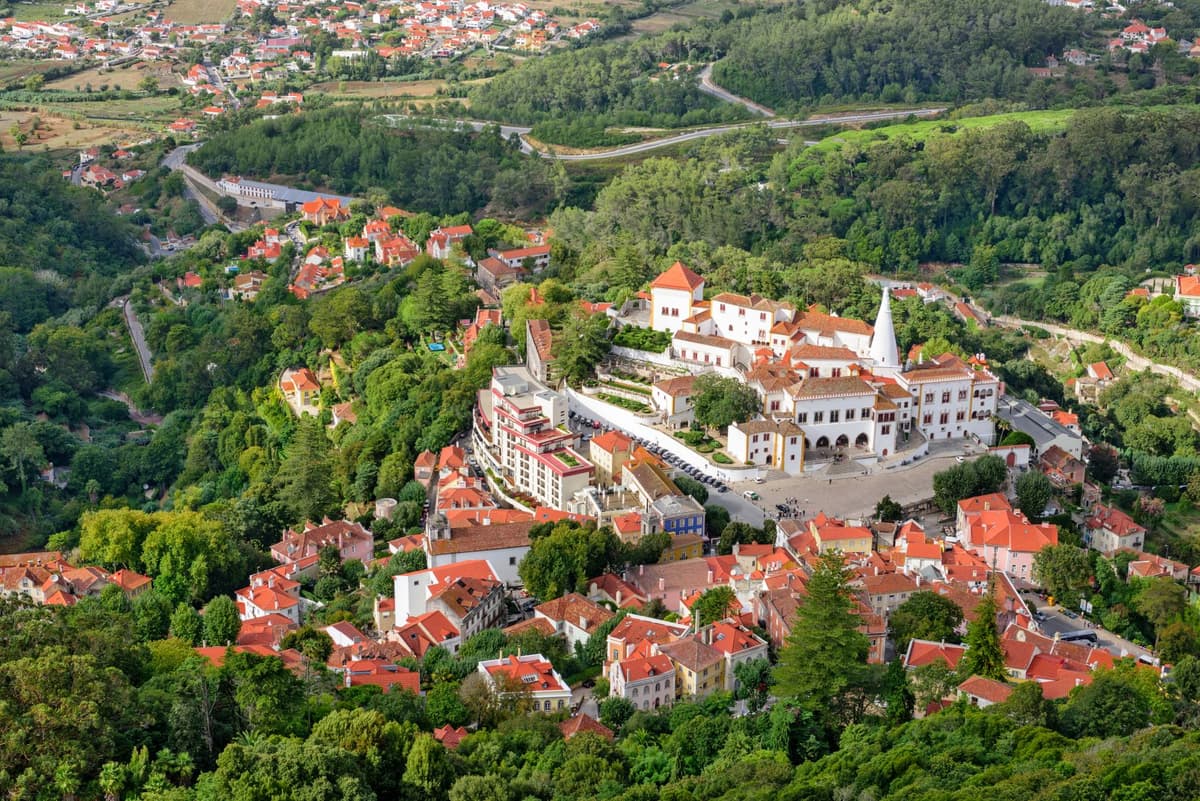
The Rua Cidade de São Salvador project occurs within Sintra's broader urban planning framework, which prioritizes sustainable development and quality-of-life improvements across diverse neighborhoods. The municipality has demonstrated consistent commitment to balancing growth pressures with environmental preservation, particularly given Sintra's UNESCO World Heritage designation for its historic center.
Several factors drive Sintra's infrastructure investment priorities:
• **Population Growth Pressures**: Accommodating increasing residential demand while preserving community character
• **Transportation Connectivity**: Enhancing rail and road links to reduce Lisbon commuting burdens
• **Environmental Sustainability**: Integrating green infrastructure to maintain Sintra's natural appeal
• **Economic Diversification**: Supporting commercial development to reduce residential dependency on Lisbon employment
These strategic considerations create a supportive environment for property investment, particularly for investors aligned with long-term municipal development objectives rather than speculative short-term gains.
## Investment Considerations for Foreign Buyers
For international investors evaluating **emerging residential markets** in Greater Lisbon, Sintra's infrastructure investments provide tangible evidence of municipal commitment to neighborhood improvement. The €788,000 allocation suggests confidence in Cacém e São Marcos's trajectory and potential for sustained appreciation.
Foreign buyers should consider factors including proximity to transportation infrastructure, municipal development priorities, and demographic trends when assessing suburban Portuguese properties. Consulting with English-speaking real estate agents [https://www.realestate-lisbon.com/english-speaking-agents] familiar with Sintra's micro-markets can provide valuable insights into specific neighborhood dynamics and investment timing.
The project's integration within the Agualva/Cacém Urban Rehabilitation Area indicates systematic rather than piecemeal development, potentially offering more predictable appreciation patterns for investors entering during infrastructure improvement phases.
## Looking Ahead
Urban regeneration projects like Rua Cidade de São Salvador typically catalyze additional private investment and can accelerate neighborhood transformation timelines. For investors monitoring Portuguese residential markets, such municipal initiatives often represent optimal entry points before widespread recognition drives prices upward.
The convergence of infrastructure investment, demographic trends, and affordability pressures suggests Cacém e São Marcos may offer compelling opportunities for investors seeking exposure to Greater Lisbon's residential growth while maintaining reasonable entry costs. For expert guidance on identifying emerging investment opportunities in Portugal's evolving suburban markets, contact realestate-lisbon.com [https://www.realestate-lisbon.com/].