Palmela to Host National Urban Rehabilitation Summit, Shaping Portugal's Property Future
By Nikola Zdraveski
Published: November 16, 2025
Category: construction-updates
### Palmela to Host National Urban Rehabilitation Summit, Shaping Portugal's Property Future
In a move of strategic importance for Portugal's real estate sector, the municipality of **Palmela**, part of the greater Lisbon Metropolitan Area, will host the **National Meeting on Urban Rehabilitation**. This high-profile summit is poised to gather the country's foremost experts in urban planning, housing policy, and architecture to chart the future course of property development. For foreign investors and developers, the event signals a critical shift in market dynamics and policy, with a clear focus on rehabilitation as the engine of future growth.
### Key Takeaways
• ✓ Palmela, a key municipality in the Setúbal district, will be the venue for a national summit on the future of urban rehabilitation in Portugal.
• ✓ The event features influential speakers, including the vice-president of **ICOMOS-Portugal**, signaling a focus on high-quality, heritage-sensitive development.
• ✓ Critical topics like **'simplex urbanístico'** (regulatory simplification) and heritage valorization are on the agenda, pointing to potentially transformative changes in Portuguese building and planning laws.
• ✓ The summit's focus reinforces the market trend of prioritizing rehabilitation of existing building stock, a crucial insight for long-term property investment strategies.
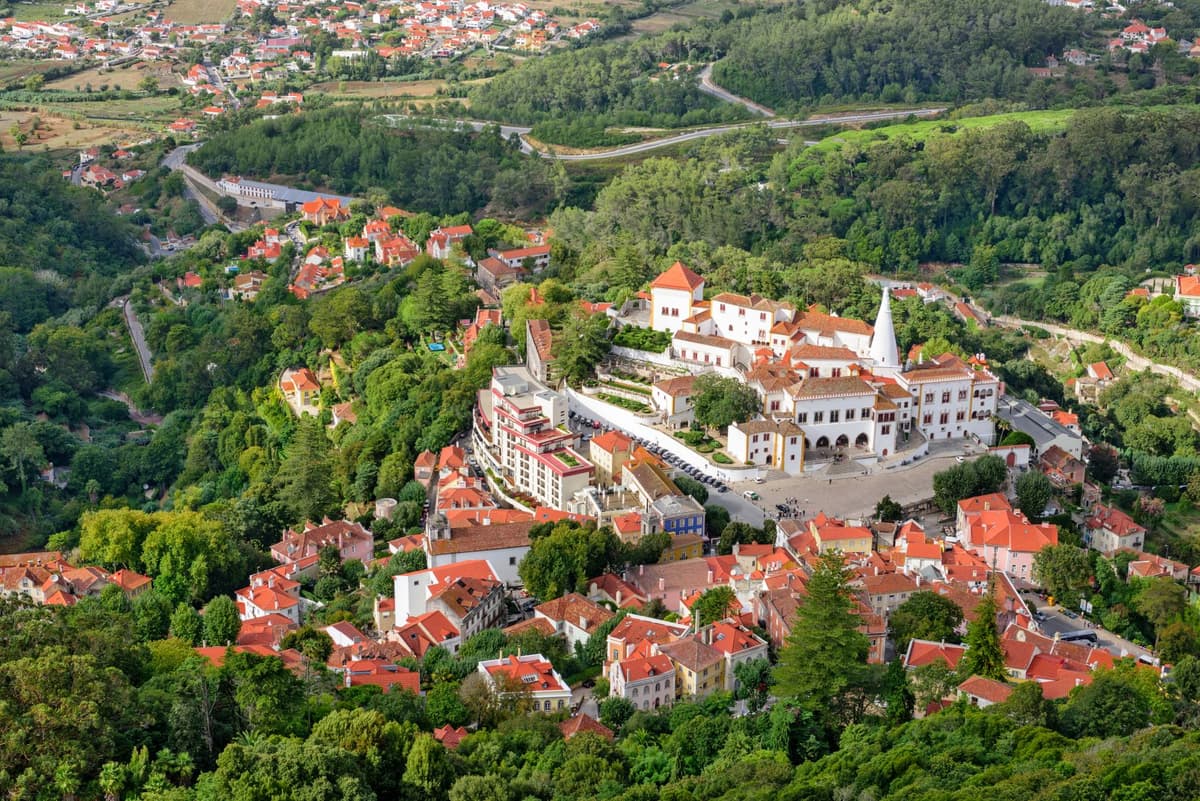
The choice of **Palmela** as the host city is itself significant. Located on the Setúbal Peninsula, a region experiencing growing interest from those priced out of central Lisbon, Palmela is a municipality that blends rich historical heritage with modern economic activity. By spearheading this national conversation, the local council is positioning itself and the wider region as a key player in solving Portugal's housing puzzle. The event is a core part of Palmela's own 'Program for the Promotion of Urban Rehabilitation,' demonstrating a commitment to applying these national ideas at a local level, in line with its Municipal Master Plan (PDM) [https://www.realestate-lisbon.com/palmela/pdm].
For investors, the summit's agenda is packed with actionable intelligence. The session on 'simplex urbanístico' is particularly noteworthy. This government-led initiative aims to slash the notorious bureaucracy and lengthy waiting times associated with obtaining building permits. Any progress on this front could dramatically de-risk development projects, shorten timelines, and improve the internal rate of return (IRR) for investors, especially those engaged in complex historic restoration [https://www.realestate-lisbon.com/constructors/historic-restoration] projects.
## Market Implications for Investors
This summit serves as a clear bellwether for the future of Portuguese real estate investment. The pronounced shift in focus from new construction to urban rehabilitation is not merely a talking point; it is becoming a central pillar of national strategy. Investors who pivot their focus accordingly, seeking value-add opportunities in existing buildings, will be well-aligned with this prevailing market and policy tailwind. The event offers a unique opportunity to gain first-hand insights into where public policy and, consequently, public funding are headed.
The discussion on qualifying the construction workforce also addresses a critical pain point for developers. A more skilled and available labor pool could lead to higher quality builds and more predictable project costs, mitigating two of the biggest risks in property development. Furthermore, the emphasis on 'heritage valorization' suggests that future incentives and subsidies may be directed towards projects that thoughtfully blend modern living standards with the preservation of Portugal's unique architectural identity.
By attending or closely monitoring the outcomes of this summit, investors can gain a significant competitive advantage. Understanding the forthcoming changes to regulatory and legal frameworks [https://www.realestate-lisbon.com/blog/regulatory-and-legal-frameworks] will be essential for structuring future deals and identifying a pipeline of viable projects before they become common knowledge.
## Insights from Top-Tier Specialists
The caliber of the speakers underscores the event's importance. The participation of **Soraya Monteiro Genin**, an architect and vice-president of ICOMOS-Portugal (the official advisory body to UNESCO), is a powerful indicator that quality and heritage preservation will be central to the debate. Her involvement suggests that the path forward will not be a free-for-all of unchecked development, but rather a more curated approach that seeks to enhance, not erase, Portugal's cultural heritage.
She is joined by **José Maria Lobo de Carvalho**, a professor and architect specializing in heritage conservation, and **Luís Mendes**, a leading academic geographer from the University of Lisbon. This blend of architectural, conservation, and socio-economic expertise ensures a holistic discussion, moving beyond mere construction techniques to address how rehabilitation can create sustainable, thriving communities. For investors, this means that projects with strong community integration and a high standard of design will likely receive the most favorable reception from planning authorities.
## Broader Market Context
The Palmela summit is a direct response to the pressing challenges and opportunities within the current Portuguese property market. The 'build-at-all-costs' mentality of the past is giving way to a more nuanced, strategic approach focused on optimizing the use of existing urban assets.
This evolution is driven by several powerful forces:
• **Housing Affordability Crisis**: Extreme price and rent inflation in prime Lisbon and Porto is forcing a policy rethink, with rehabilitation of vacant properties seen as a key part of the solution.
• **EU Green Deal**: European sustainability targets are heavily influencing policy, favoring the lower carbon footprint of retrofitting buildings over new construction.
• **Demographic Shifts**: Growing demand for authentic, character-filled properties in walkable, historic neighborhoods is driving consumer preference towards renovated homes.
• **Tourism and 'Alojamento Local'**: The need to balance a thriving tourism sector with residential housing needs is pushing municipalities to promote the conversion of derelict buildings into homes.
## Investment Considerations
From a strategic investment perspective, this summit illuminates a clear path forward. The most promising opportunities in the coming years will likely lie in the acquisition and redevelopment of older, well-located buildings. This could range from single-family home renovations to large-scale conversions of former industrial or commercial properties into residential units.
Investors should begin identifying municipalities, like Palmela, that are actively promoting rehabilitation through local incentives and streamlined planning. Building relationships with architects and constructors who specialize in heritage projects will also be a key success factor. The insights from this summit can help investors build a robust due diligence framework, allowing them to assess the potential of rehabilitation projects more accurately.
The event's practical components, such as a technical visit to a recently rehabilitated chapel, offer a tangible case study in what can be achieved. This hands-on knowledge is invaluable for understanding the real-world challenges and rewards of restoration projects in Portugal.
## Looking Ahead
The National Meeting on Urban Rehabilitation is a forward-looking event that will lay the groundwork for the next decade of property development in Portugal. It signifies a maturation of the market, moving towards a more sustainable and strategic model of growth. The policies and ideas debated here will likely find their way into national legislation and local master plans, directly influencing the investment climate.
For savvy investors, the message is clear: the future of Portuguese real estate is not just about building new, but about creatively and respectfully renewing the old. This summit is a critical opportunity to get ahead of the curve. For expert advice on how to position your investment strategy to capitalize on this trend, contact realestate-lisbon.com [https://www.realestate-lisbon.com/].